Cultural Meaning Of Graffiti Buck Street Art Stance Tattoo Design
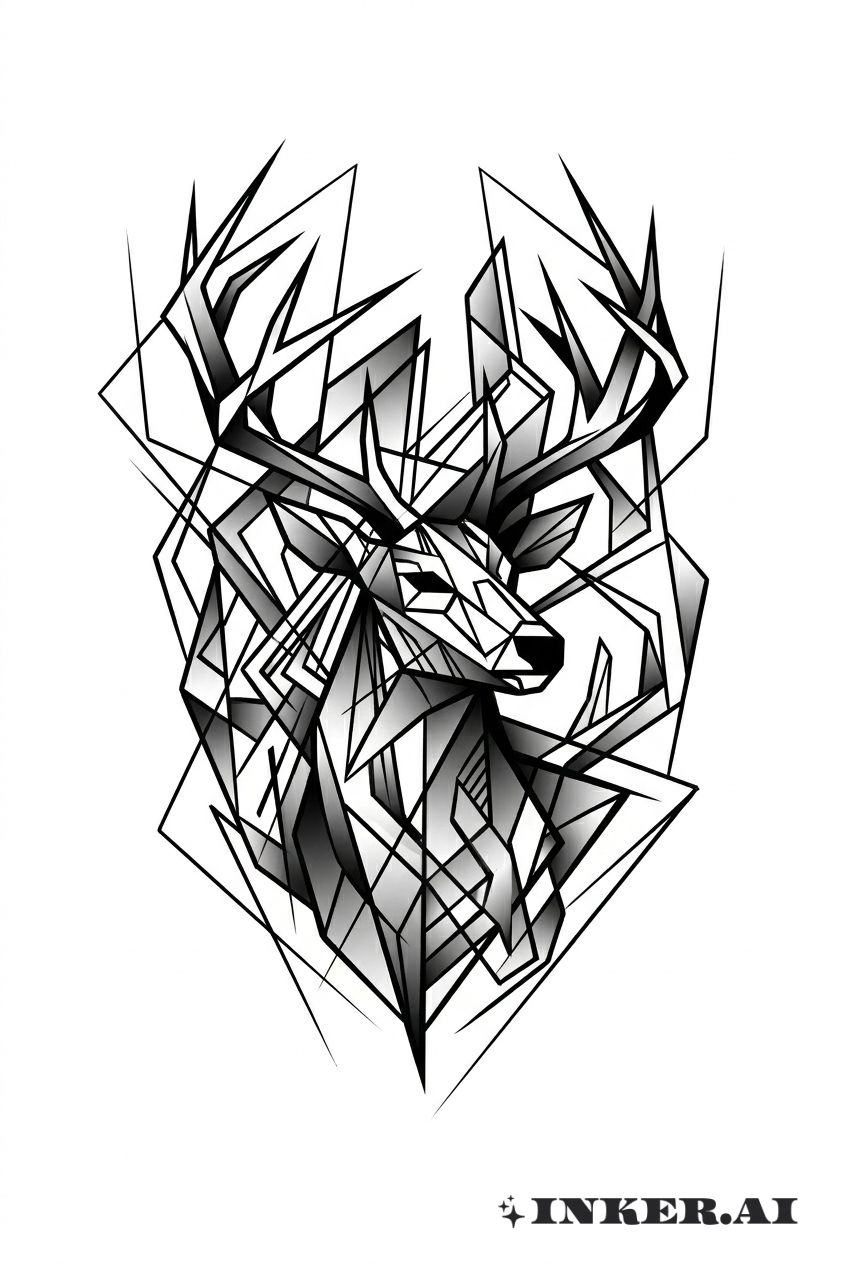
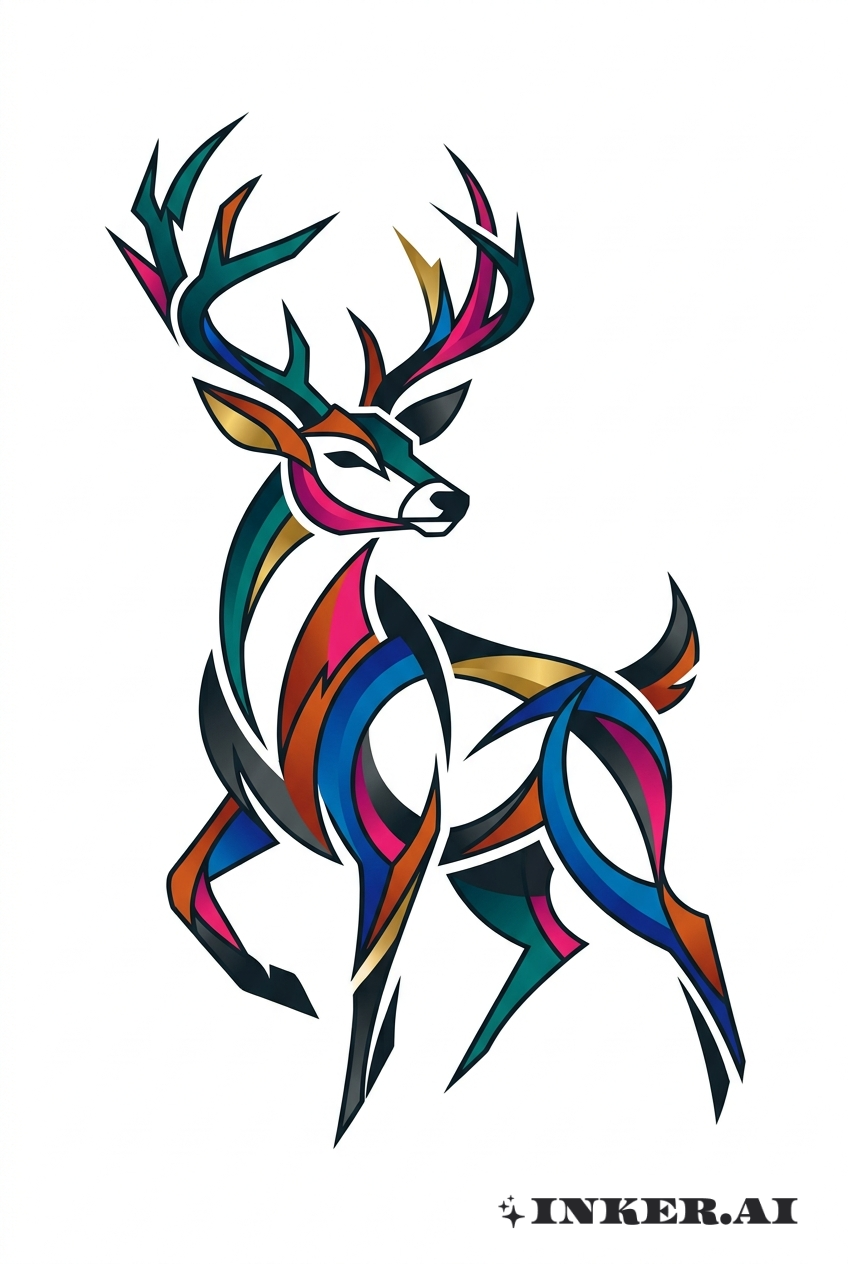
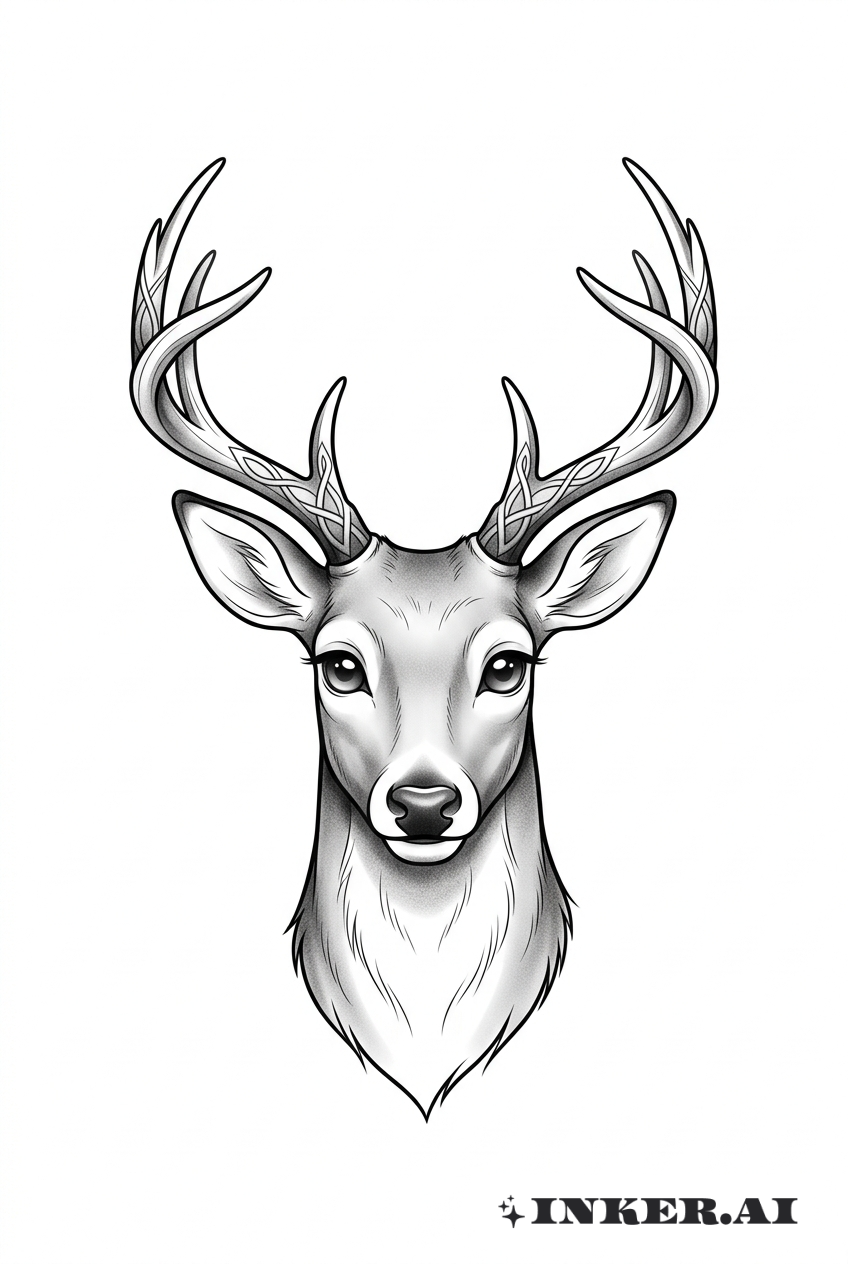
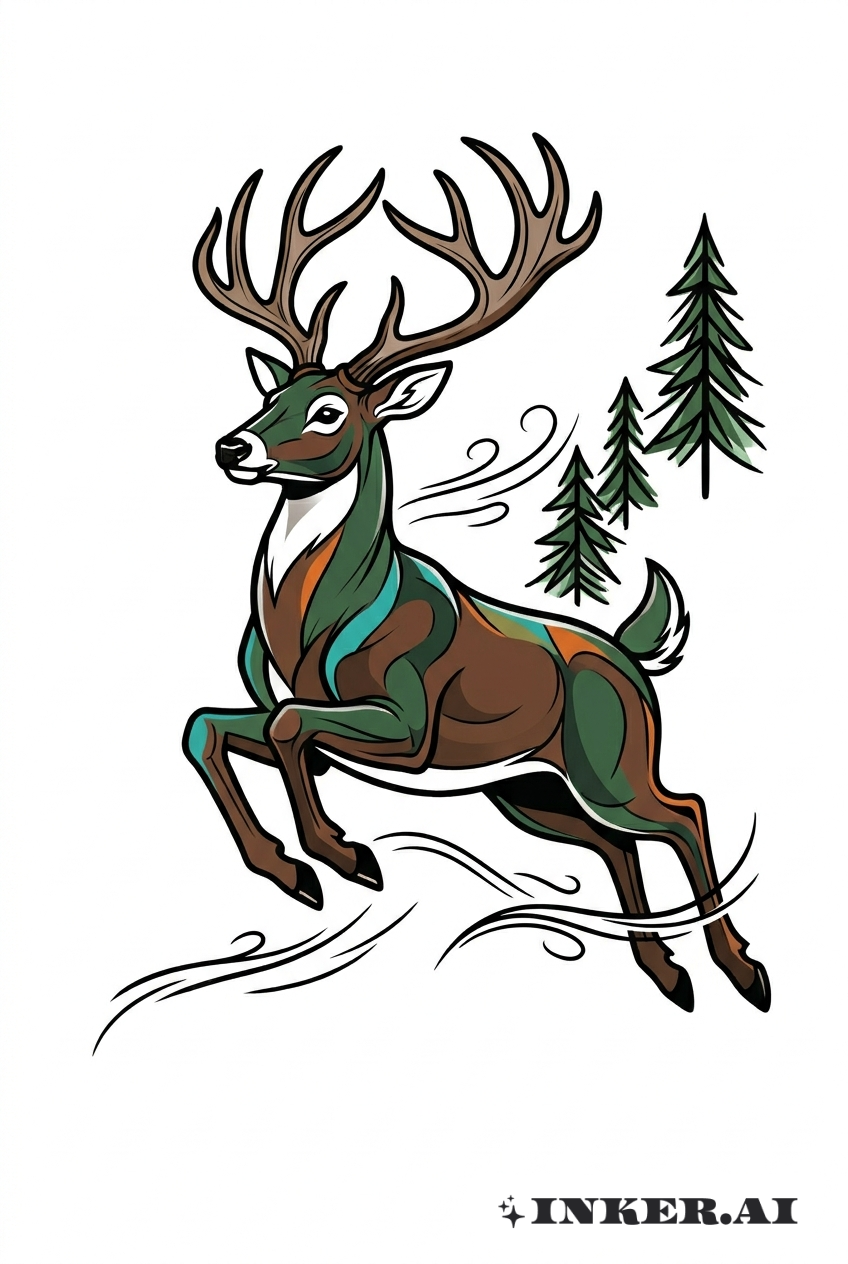
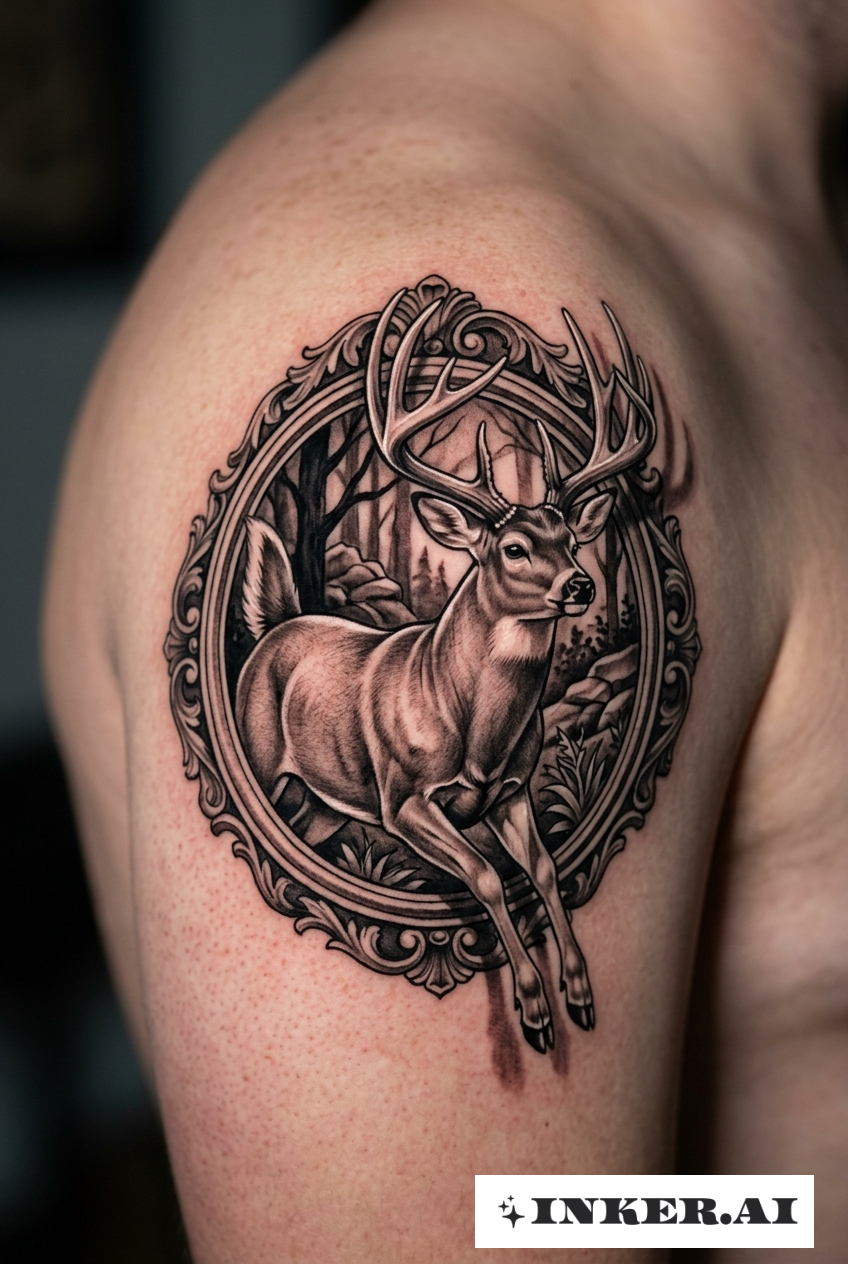
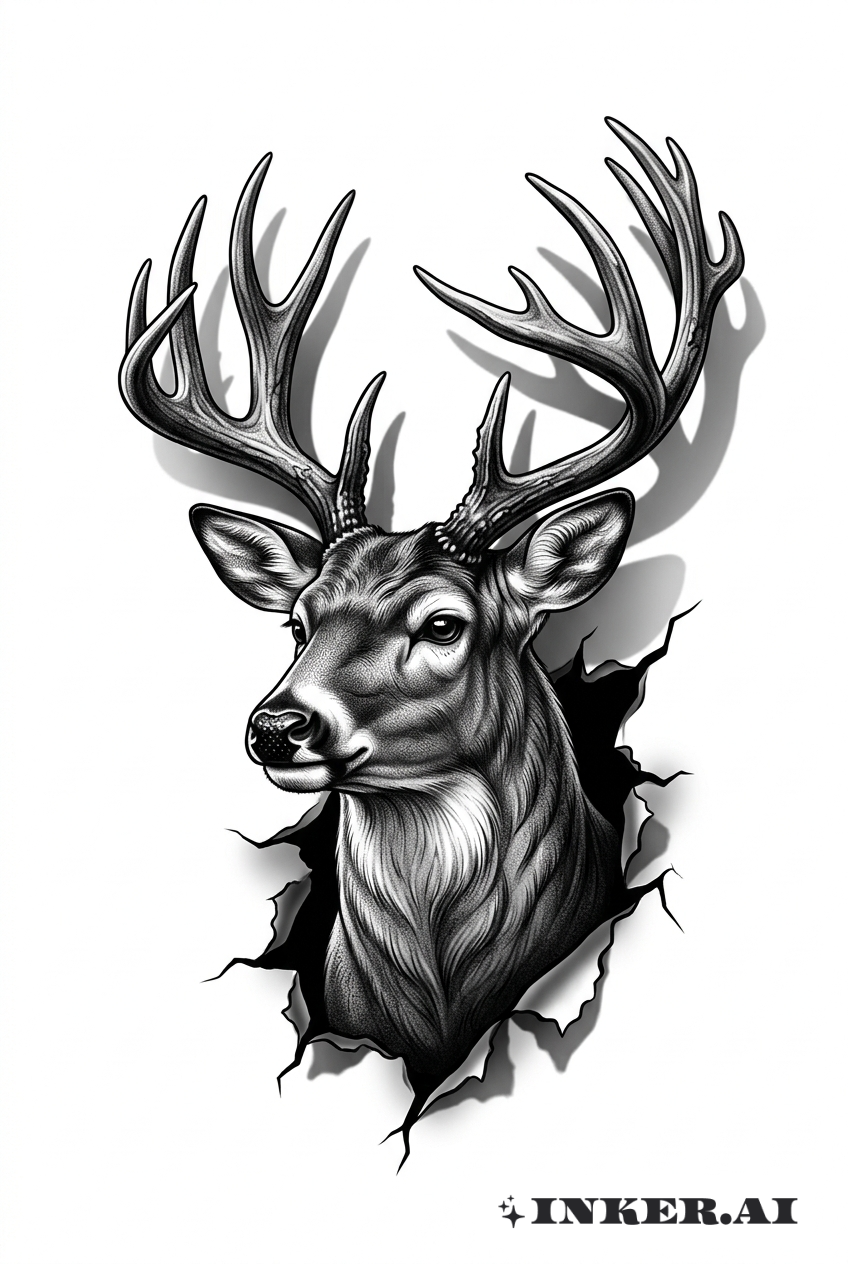
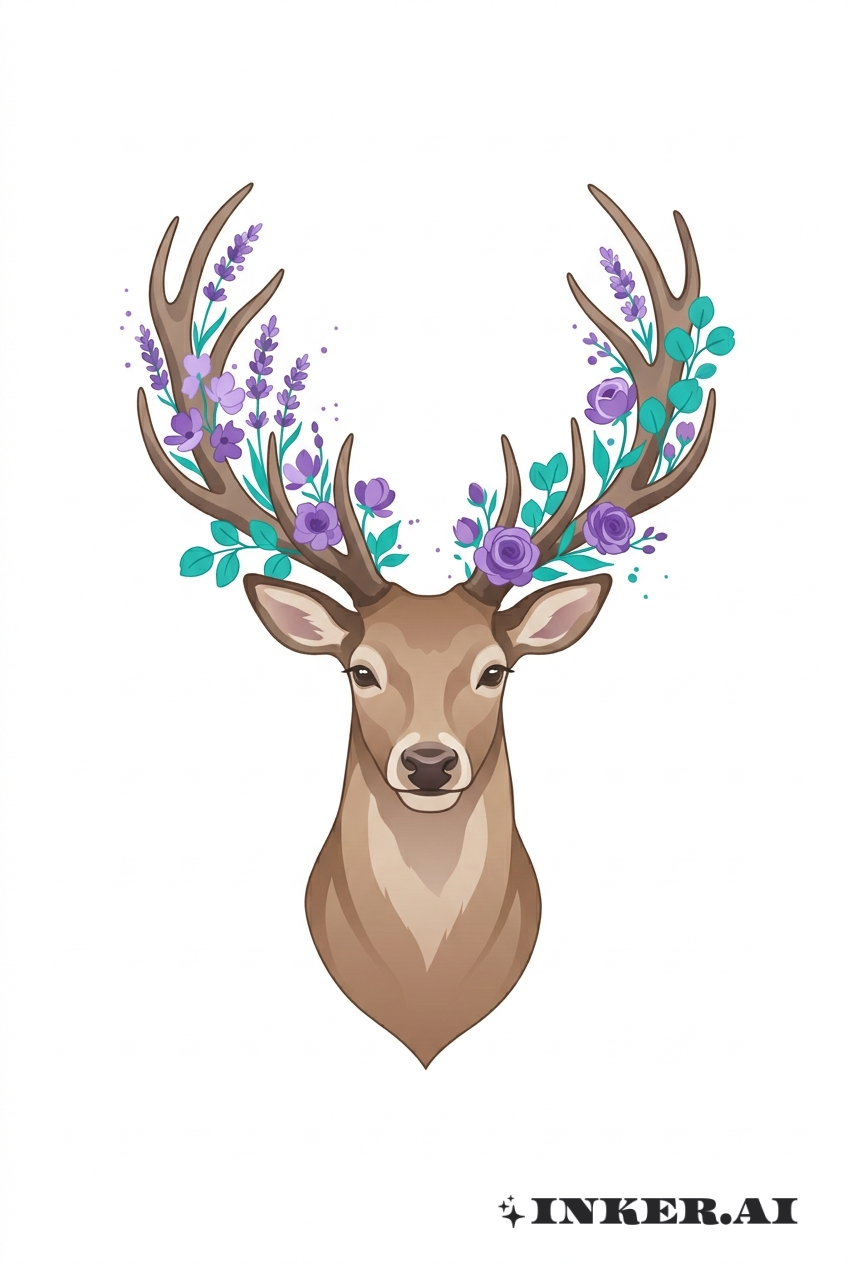
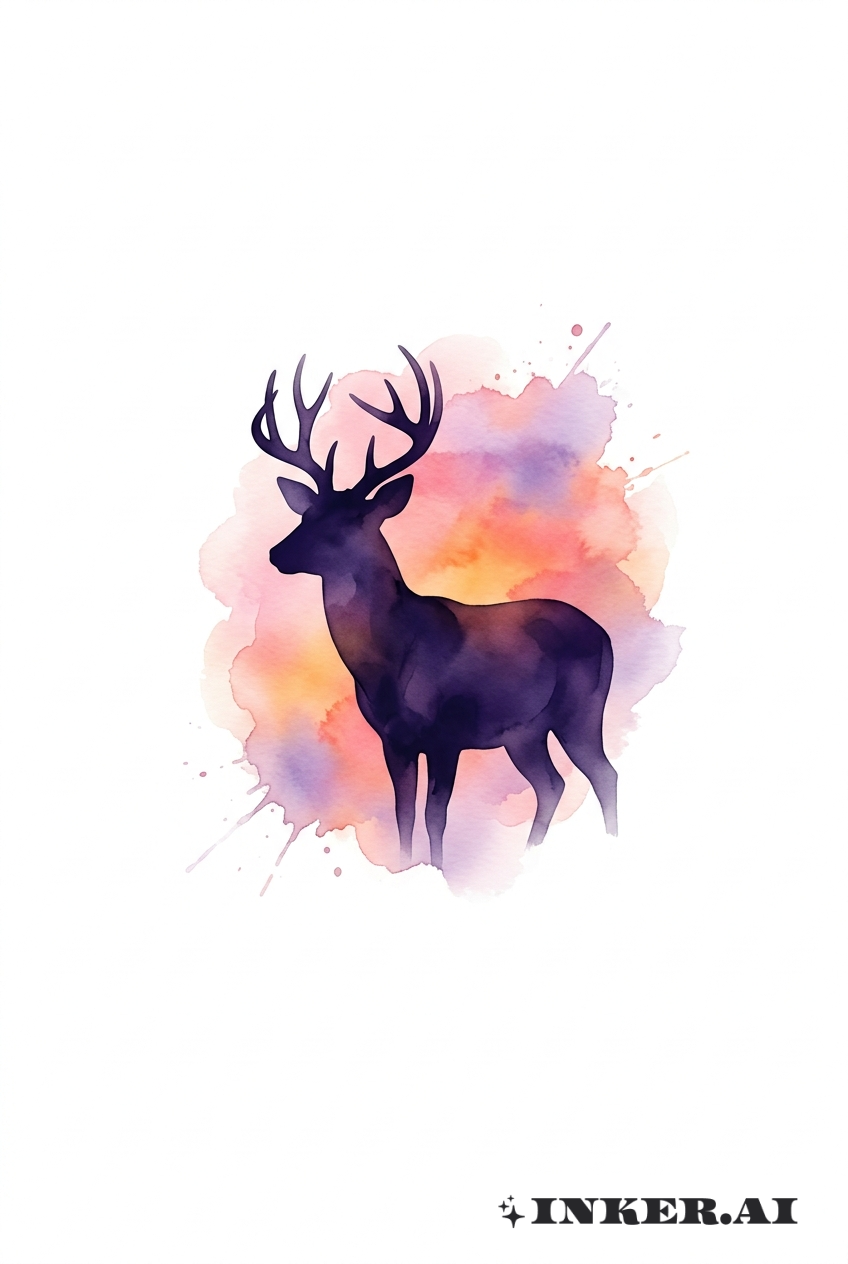
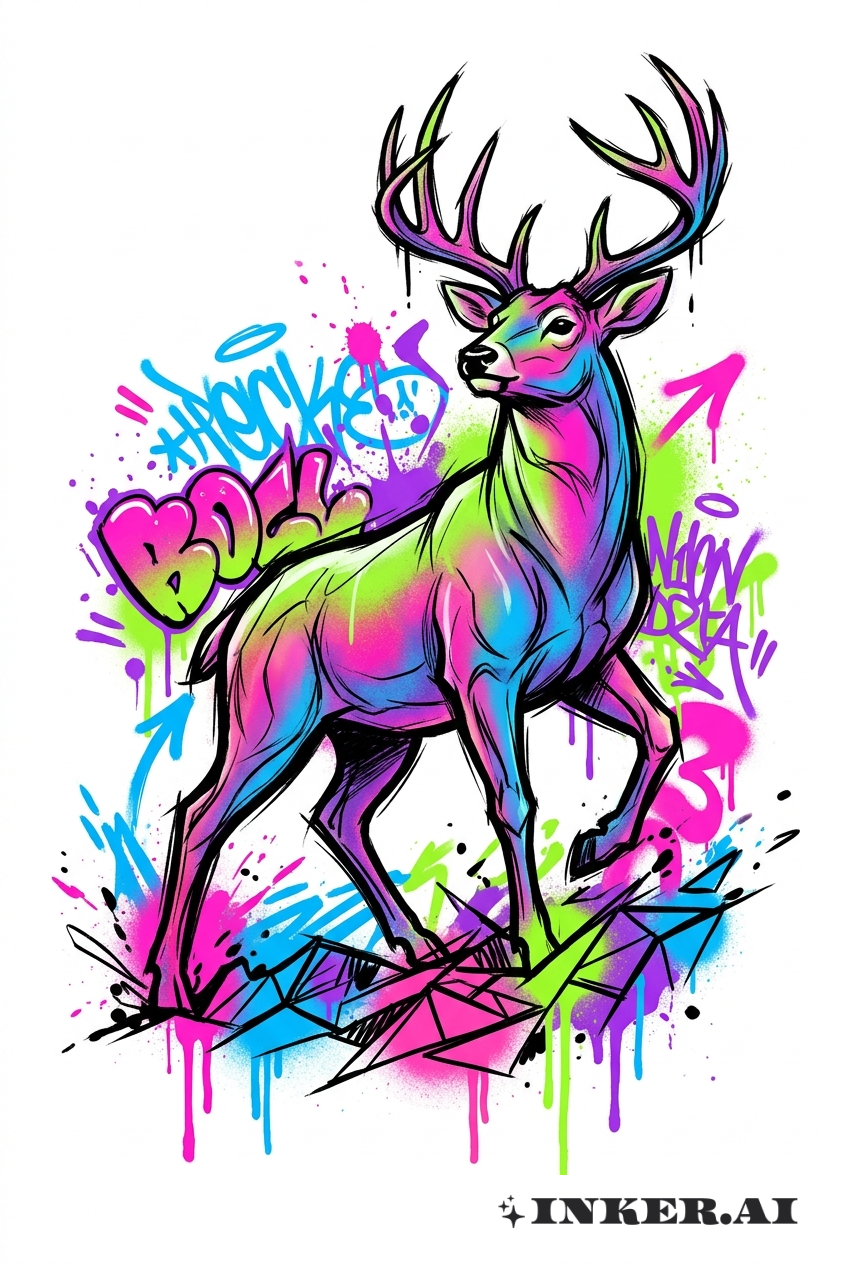
The image fuses wild instinct with city edge: the buck’s alert posture evokes readiness, confidence, and resilience, while street motifs signal defiance, community voice, and a lived history of layered marks. In urban contexts, a buck rendered amid spray patterns reads as a reclaiming of space — nature’s quiet power cut through the noise of the city. The stance, emphasized by forward-leaning lines and splattered paint, suggests movement and a willingness to confront obstacles; that tension between grace and grit can speak to survival, transition, or personal awakening. Rendered in a Graffiti tattoo style, the work borrows the language of public art to turn ephemeral street expression into lasting personal symbolism. As Buck tattoo ideas, it can represent masculine strength, protective instincts, or a softer reverence for the wild, depending on color choices and placement. Layered tags and weathered textures also hint at memory and community — each mark a chapter in a story rather than a single statement.
Design Inspiration Of Graffiti Buck Street Art Stance Tattoo Design
This design draws from large-scale street murals, stencil art, and wildlife photography that captures a deer in motion. The artist blends the immediacy of spray-painted lettering and drips with studied anatomy, using contrast and negative space to emphasize stance and momentum. Inspiration comes from the collision of two worlds — the organic rhythm of a running animal and the angular cadence of urban typography — aiming to create a piece that feels both raw and deliberate. The result is a visual anthem for movement and identity.