Cultural Meaning Of Hokusai Wave Blackout Tattoo Design
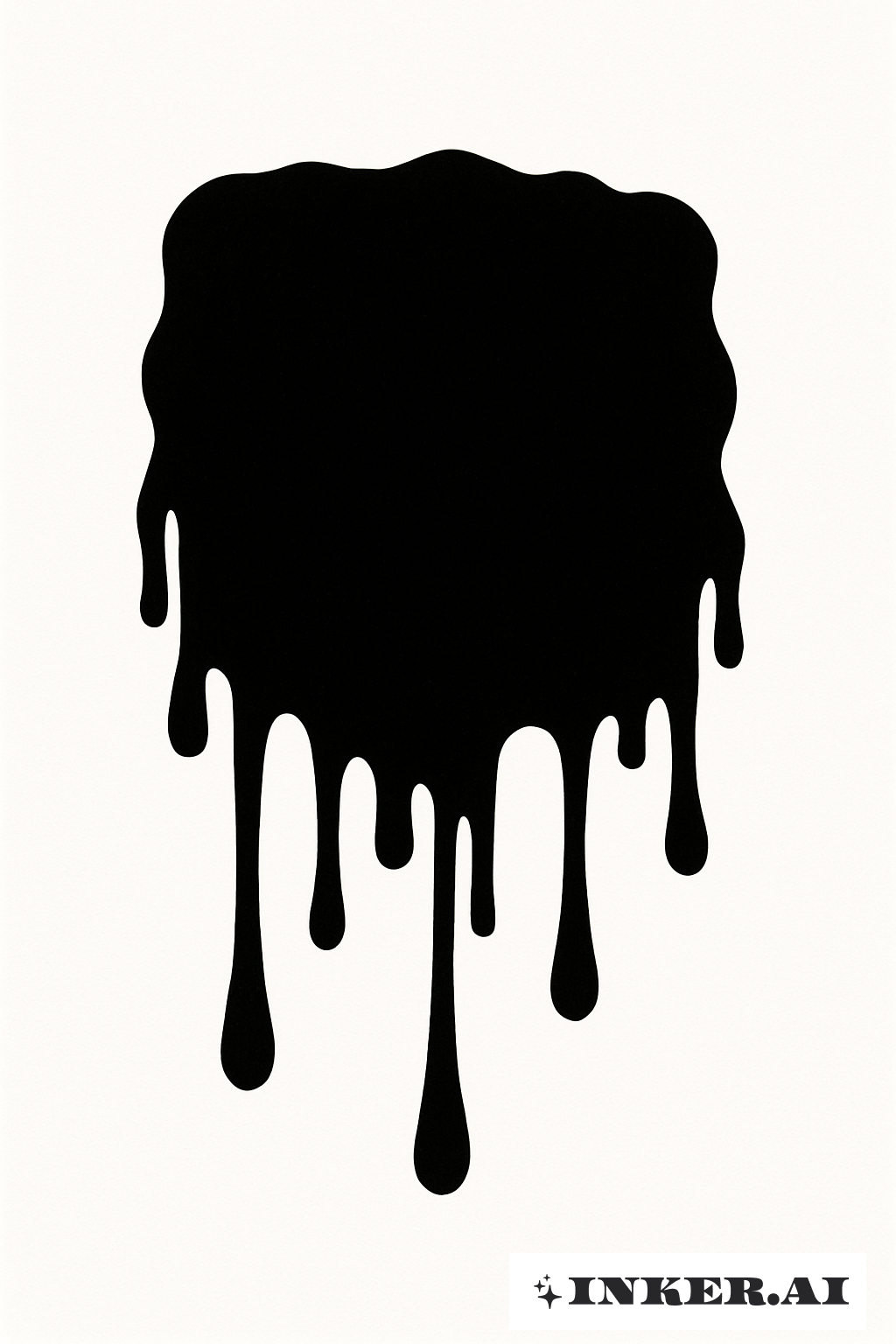
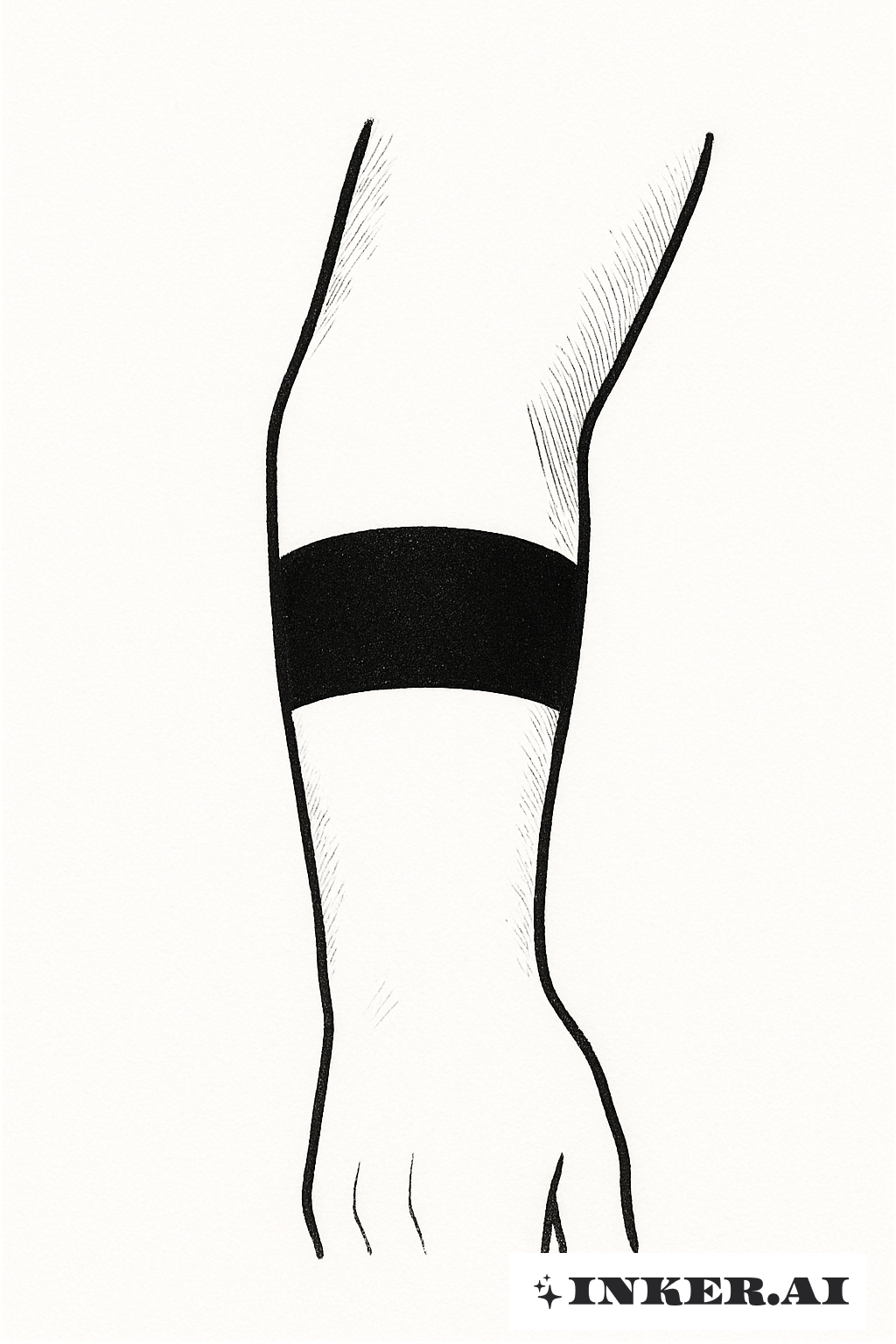
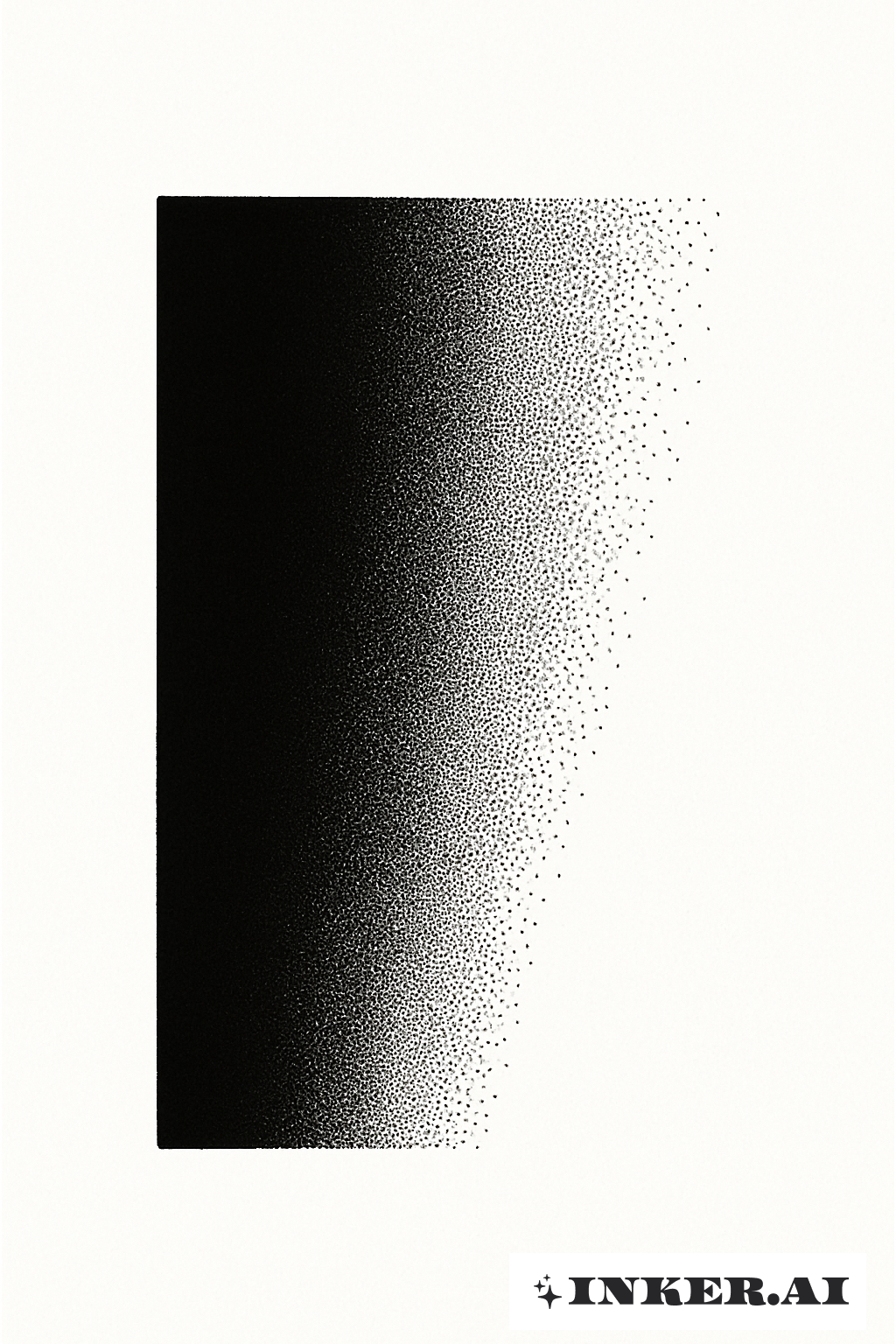
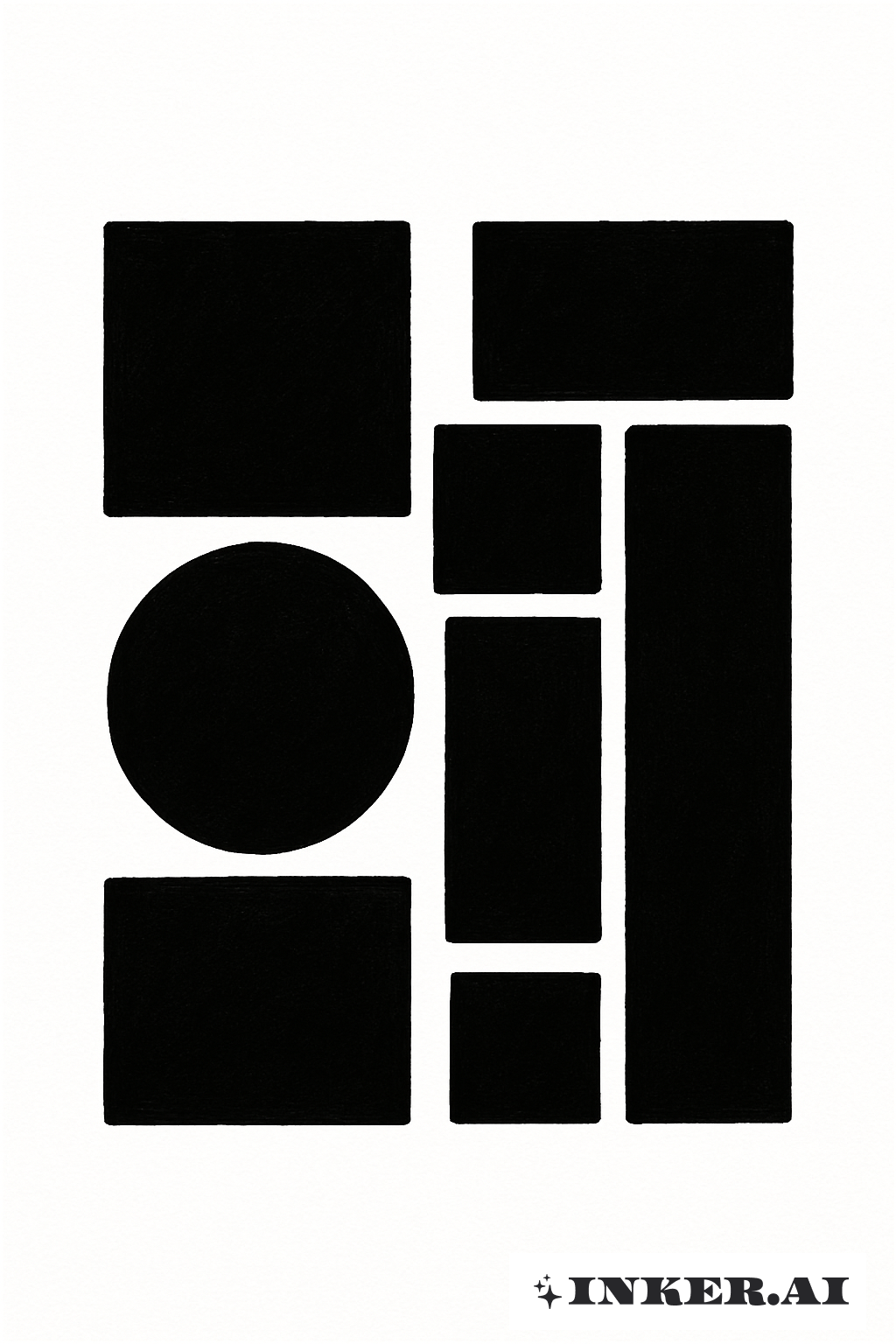
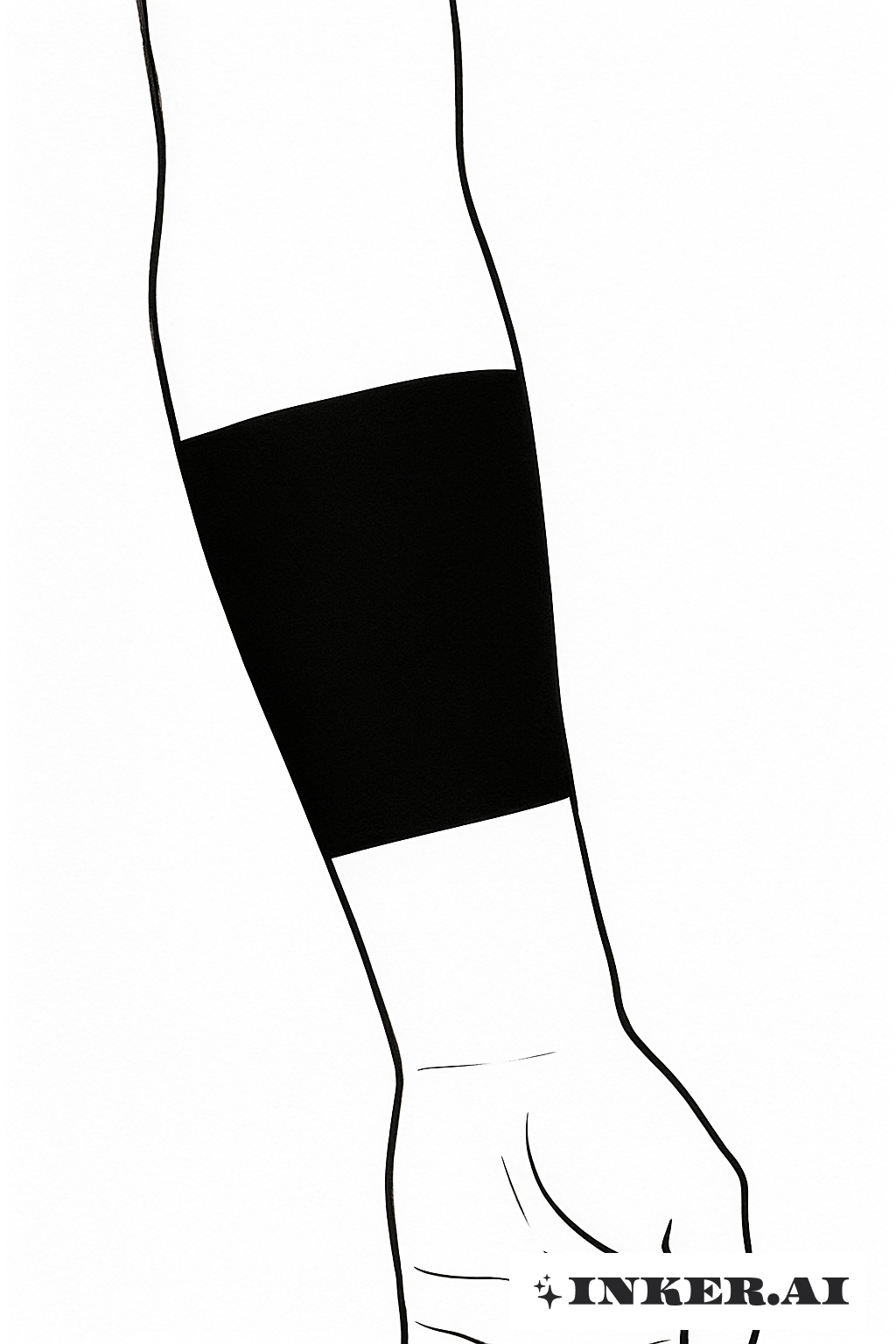
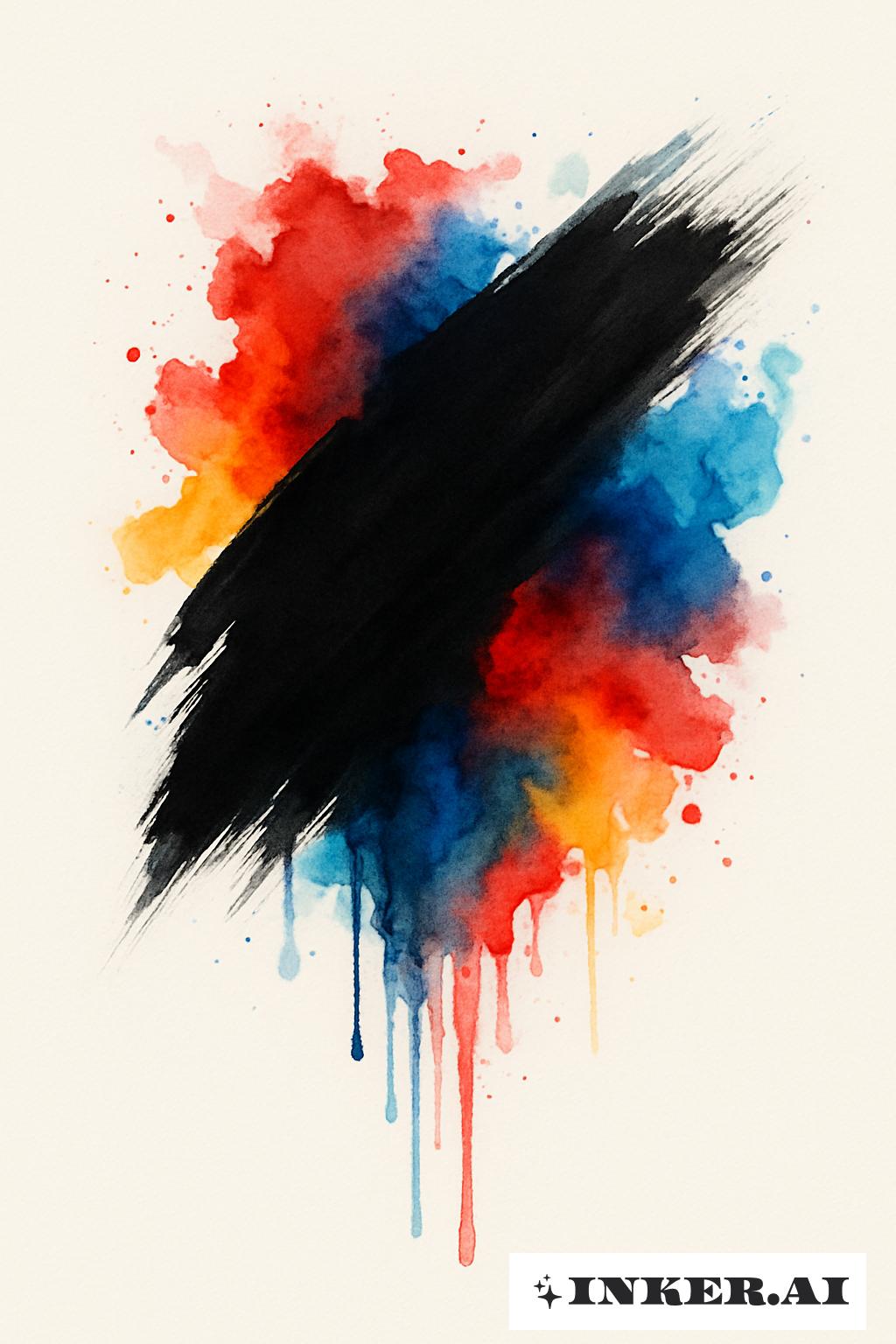
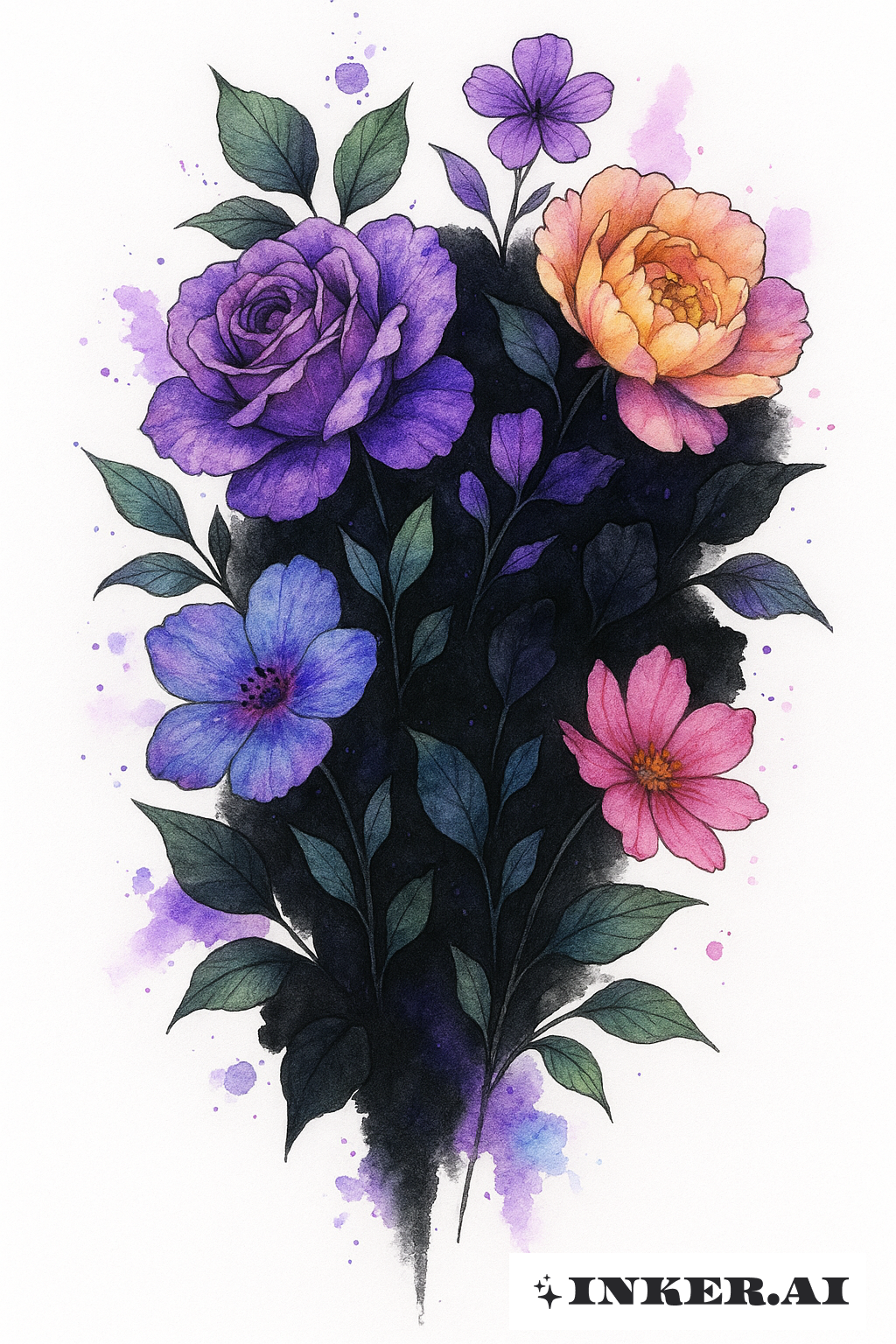
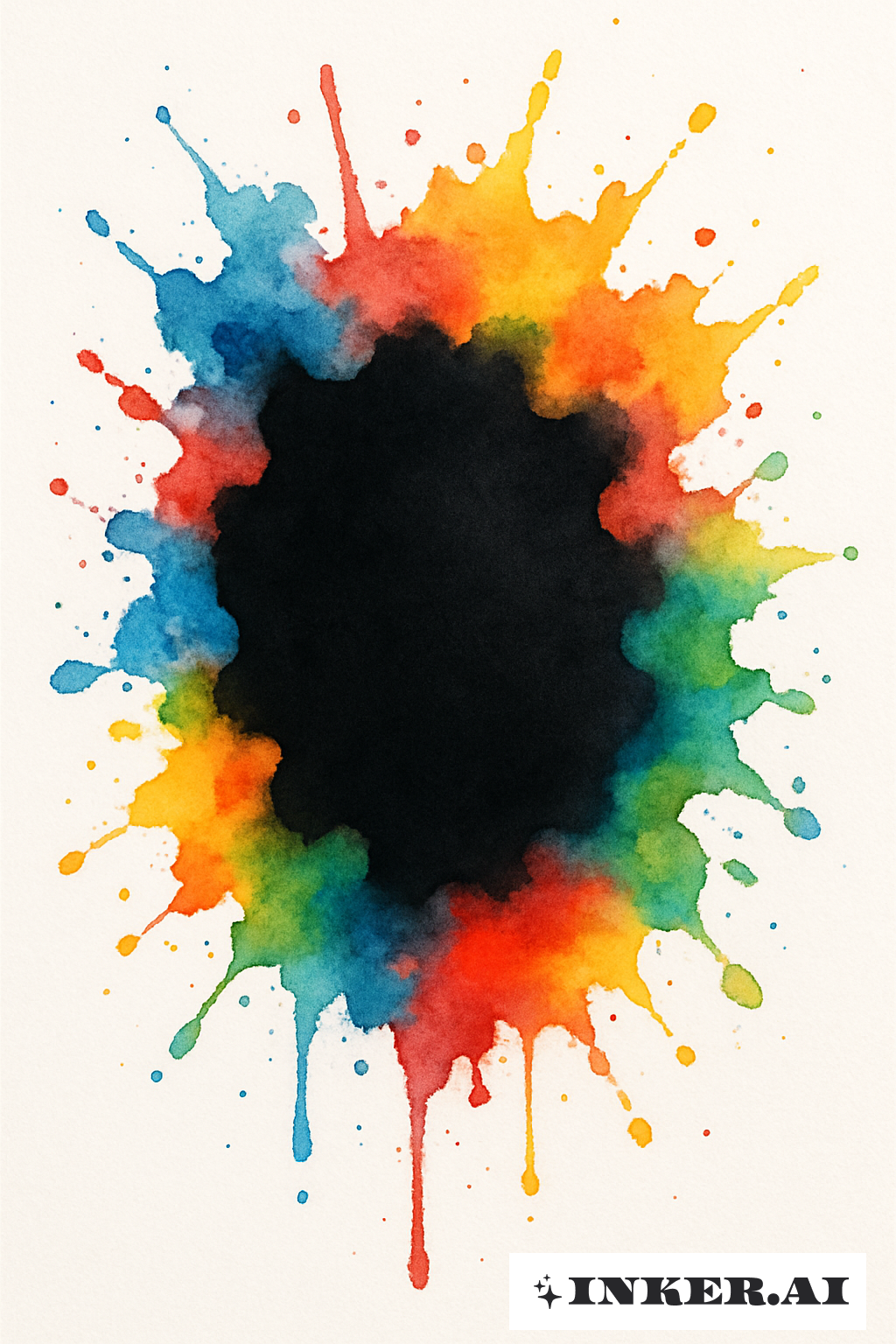
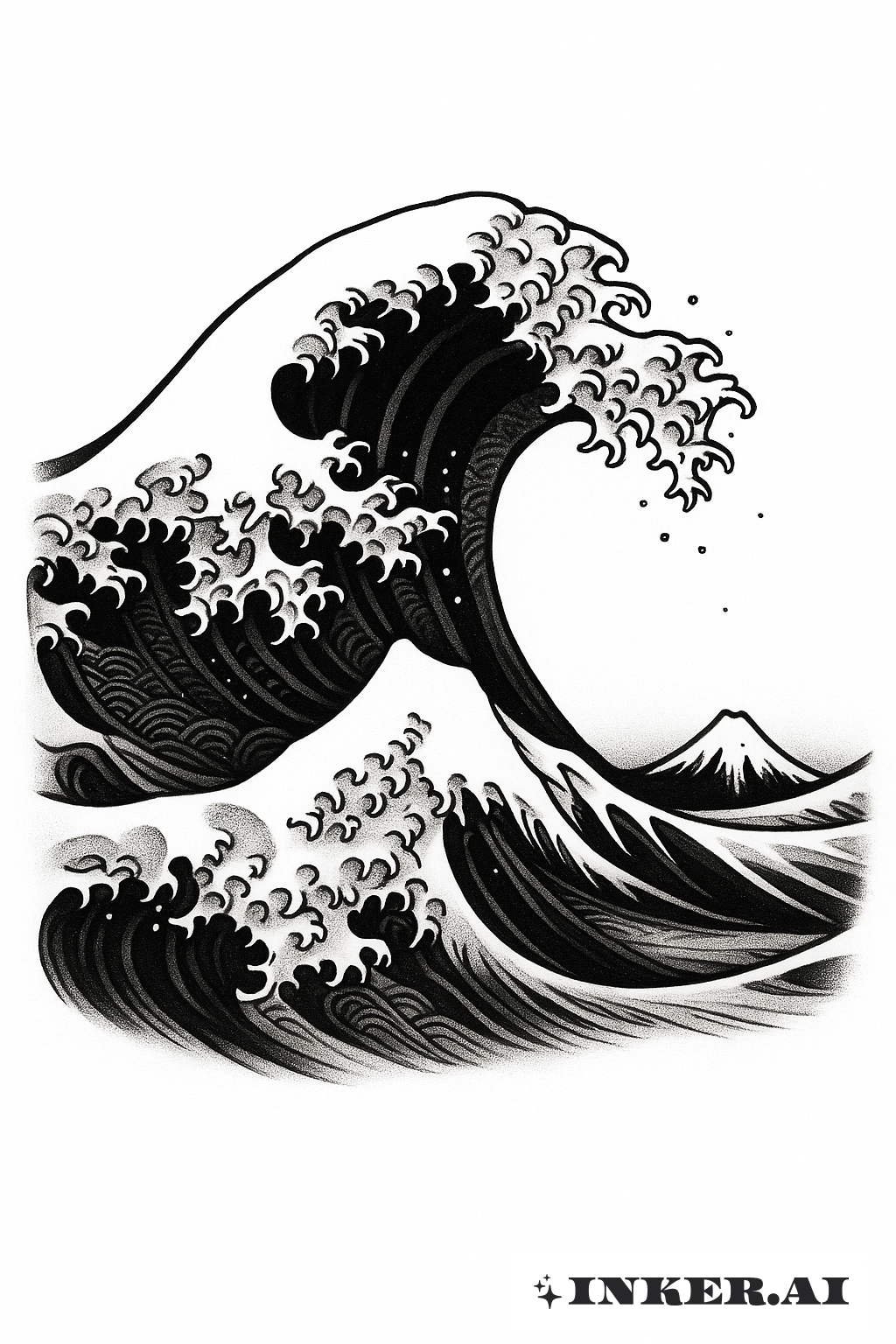
The great wave is often associated with nature’s immense power, the unpredictability of life, and the human ability to remain resilient in the face of overwhelming forces. Its curling form suggests constant movement, transformation, and the cycle between calm and turbulence. The use of dense black ink adds emotional weight, representing endurance, protection, personal strength, or a period of profound change. Against the darker structure, areas of open skin can symbolize clarity, breath, and the possibility of finding balance within difficulty. In a Japanese tattoo style, the wave also connects the wearer to a long visual tradition in which water represents both danger and renewal. These Blackout tattoo ideas can carry a personal meaning related to survival, emotional release, or learning to move with circumstances rather than resist them. The image may also express respect for the ocean, a love of Japanese art, or an appreciation for bold compositions that combine heritage with modern tattoo technique. Its dramatic silhouette makes the symbolism immediate while leaving room for the wearer’s own story.
Design Inspiration Of Hokusai Wave Blackout Tattoo Design
The concept draws from the expressive force of Japanese ukiyo-e, particularly the sweeping rhythm and theatrical scale of classic wave imagery. Traditional woodblock contours inspire the sharp foam tips and layered water patterns, while blackout tattooing introduces a heavier, more contemporary visual language. The contrast between solid ink and exposed skin creates a sense of light breaking through stormy water. The result is an artistic meeting point between historical printmaking, ocean energy, and modern blackwork—designed to feel both familiar and intensely personal.