Cultural Meaning Of Japanese Bioshock Chain Dragon Tattoo Design
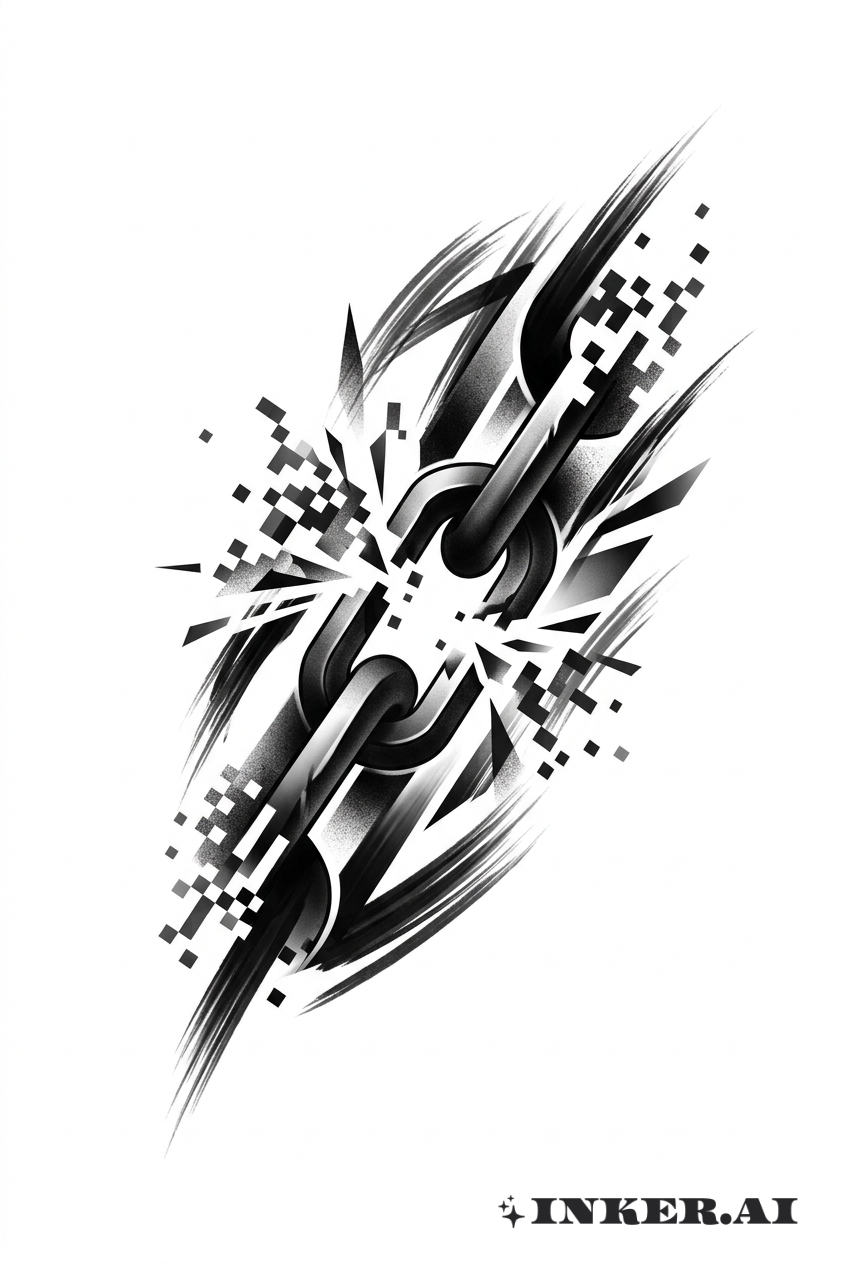
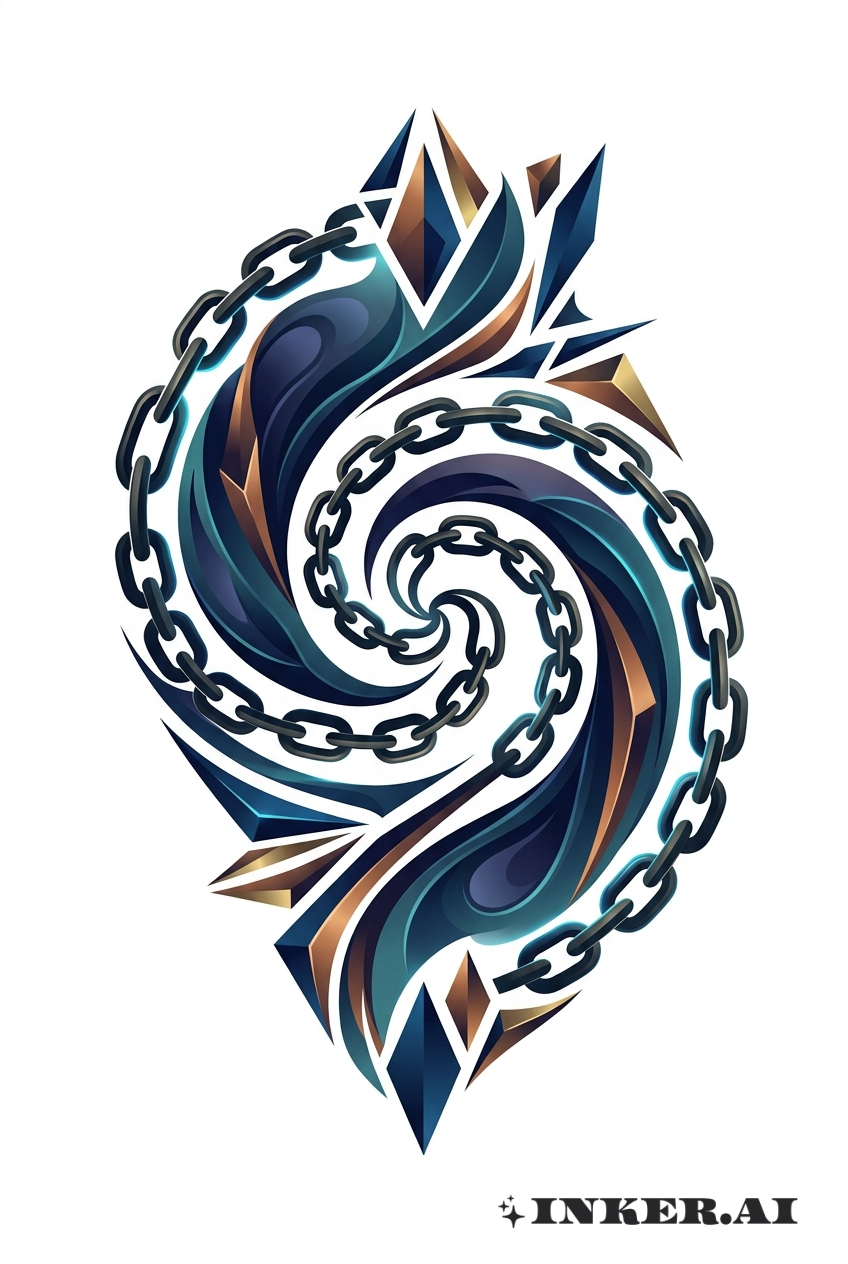
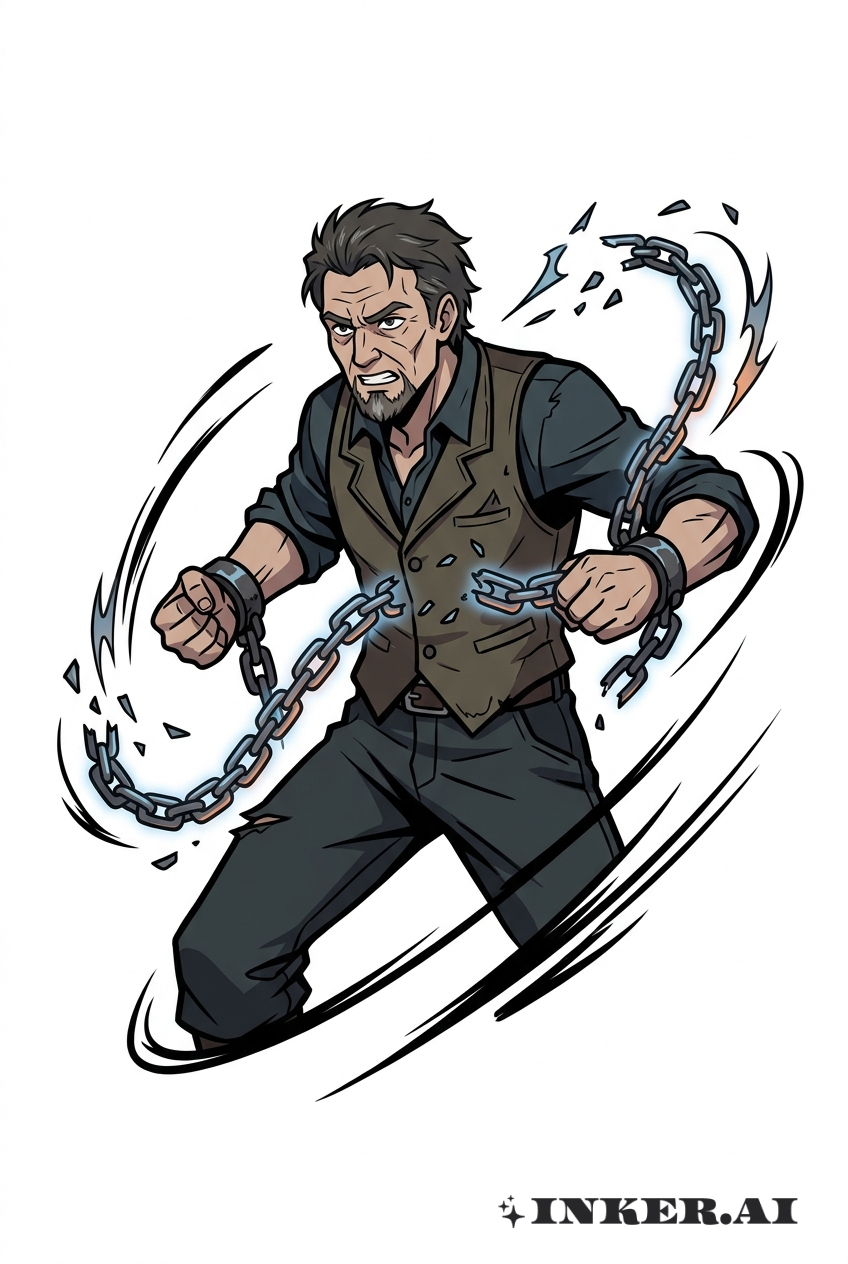
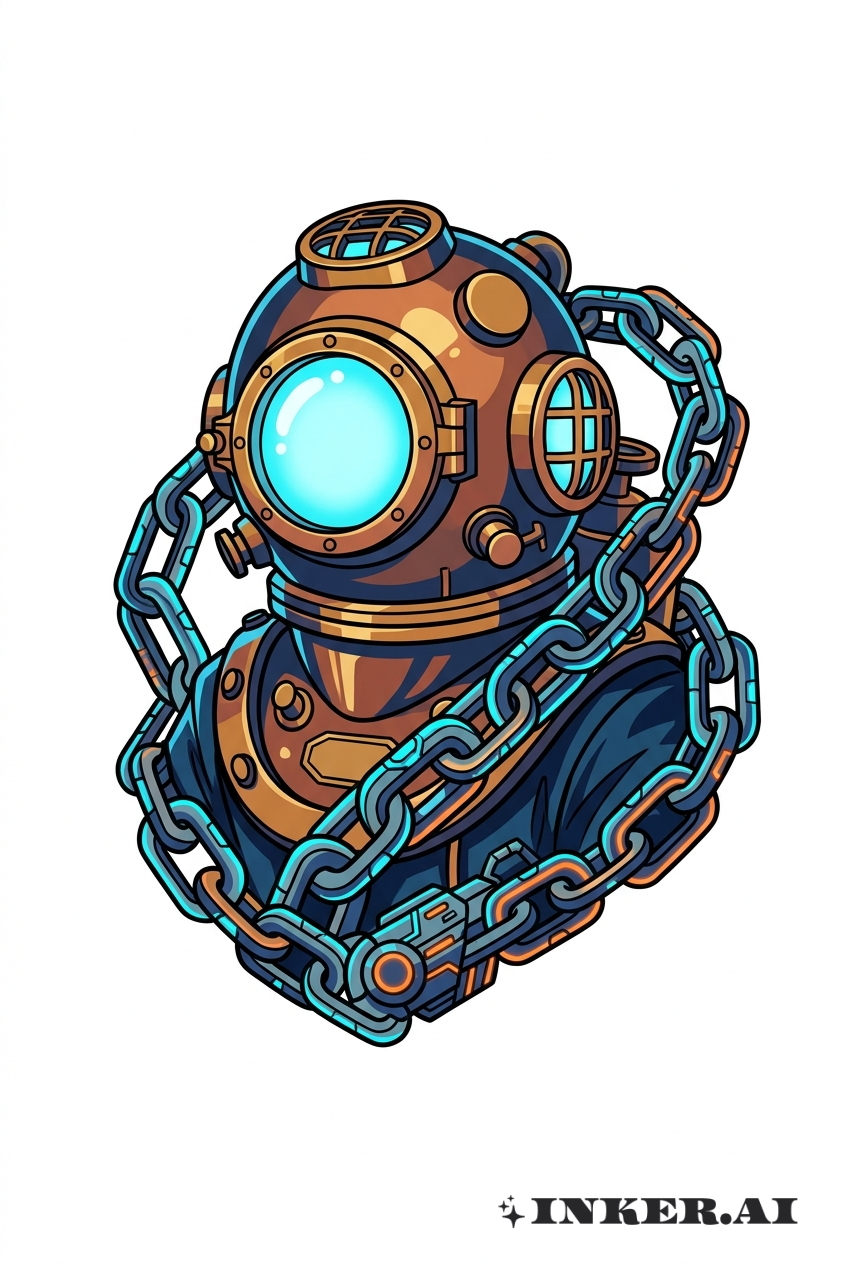
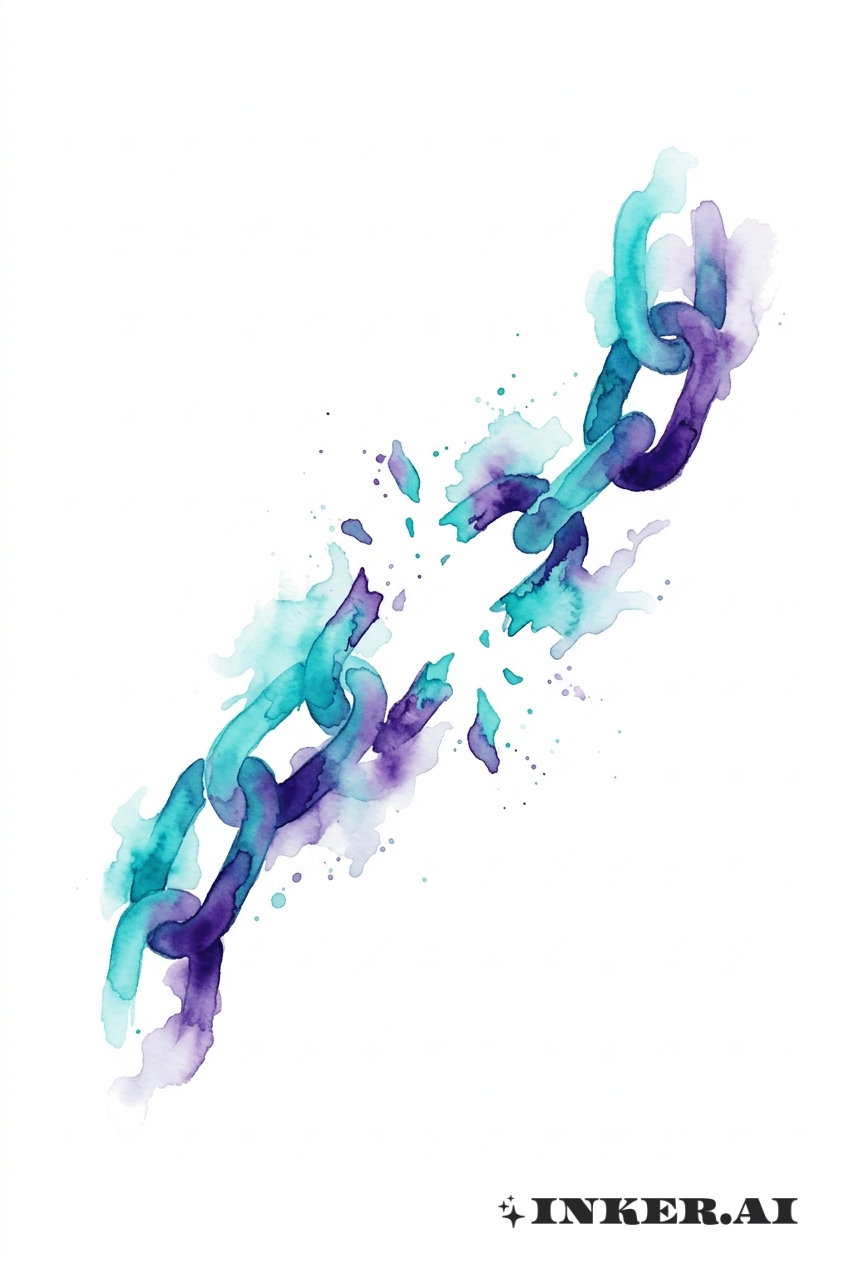
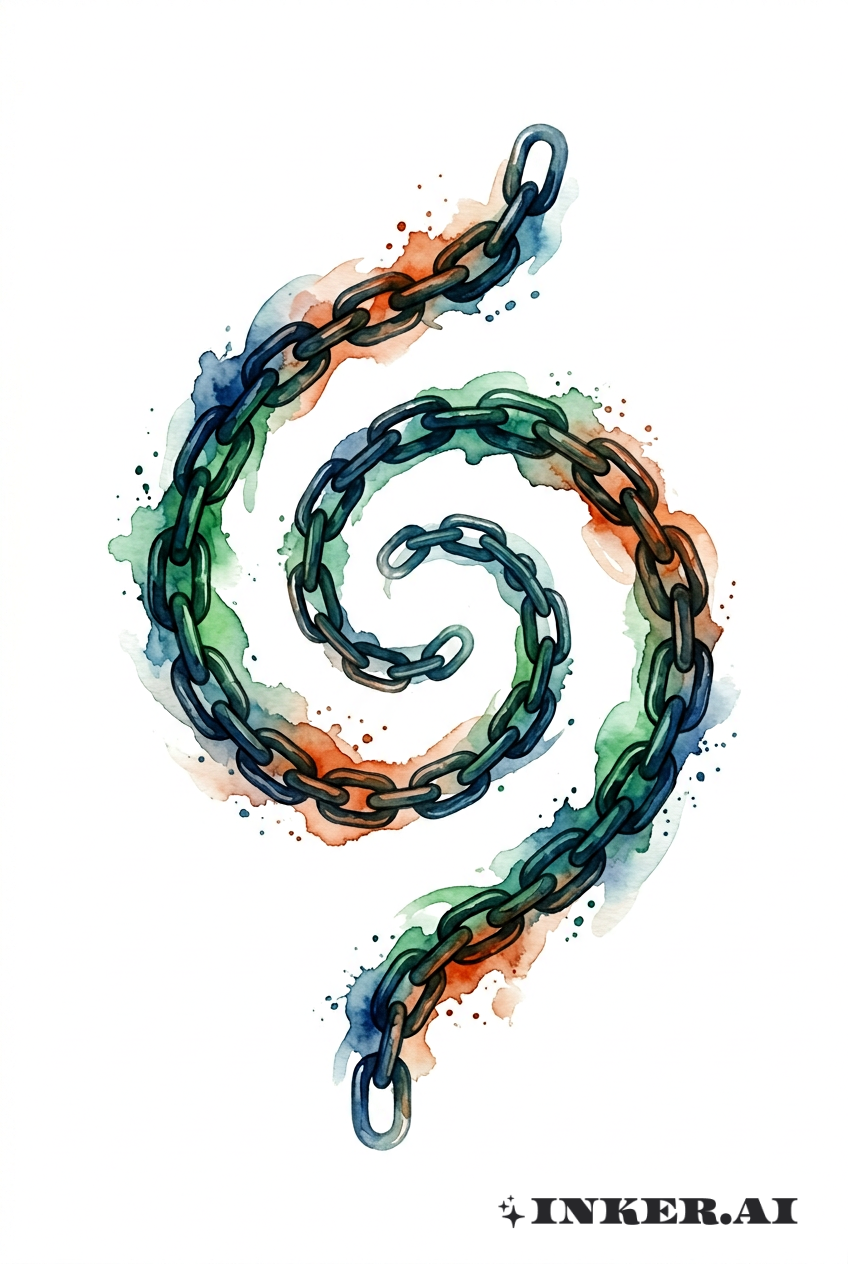
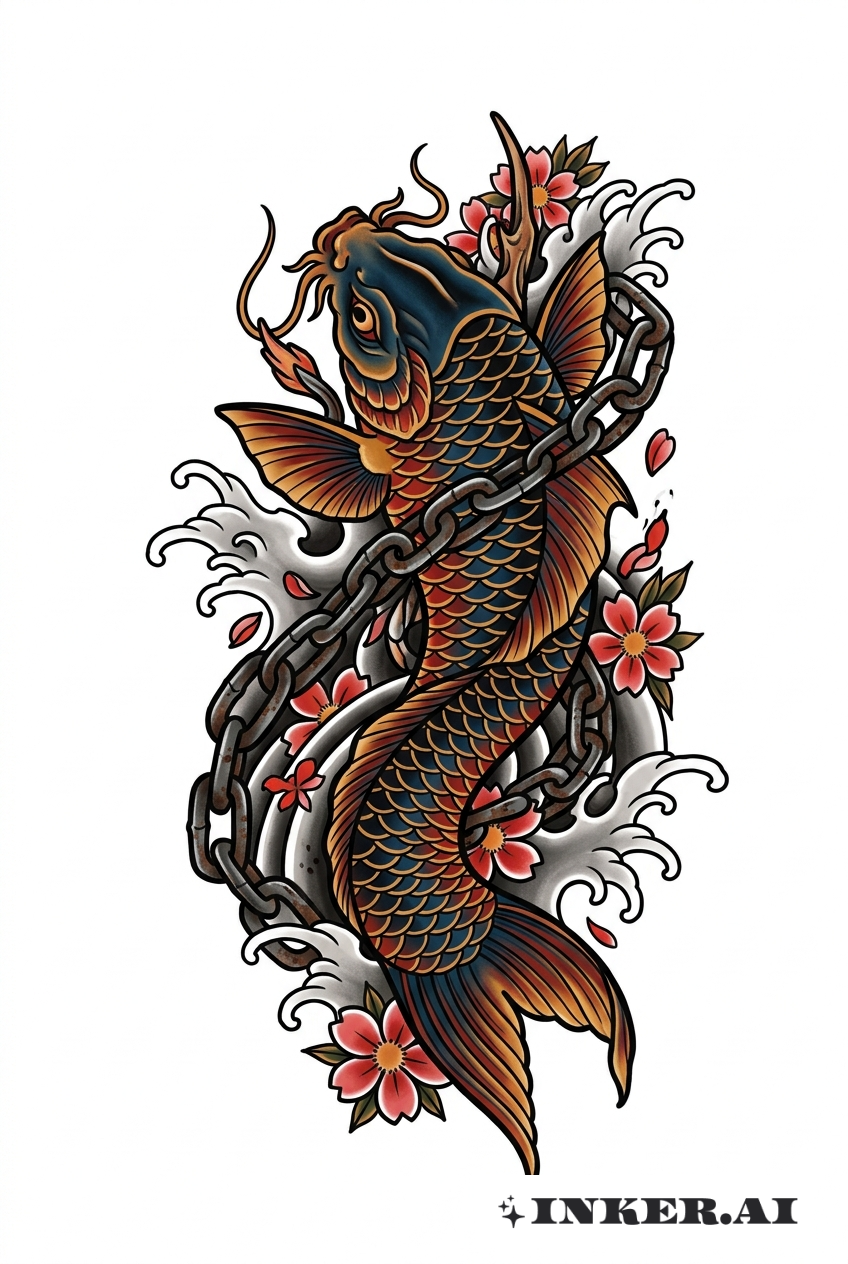
The dragon traditionally represents power, protection, wisdom, transformation, and control over natural forces. In East Asian-inspired imagery, it is often viewed as a guardian rather than a purely destructive creature, making this design suitable for someone who wants to express strength with purpose. The chains introduce a contrasting meaning: they can symbolize restraint, hardship, loyalty, discipline, or the struggle to break free from limiting circumstances. Because the dragon is intertwined with rather than simply trapped by the chains, the composition can suggest mastery over adversity and the ability to turn pressure into power. Dark shading reinforces themes of mystery, endurance, and personal depth, while the creature’s fierce expression communicates courage and defiance. Within Japanese tattoo style, the flowing body and layered scales create a visual language associated with movement, balance, and spiritual force. For collectors exploring Bioshock Chain tattoo ideas, the design can represent surviving difficult experiences, reclaiming control, or carrying one’s past without allowing it to define the future.
Design Inspiration Of Japanese Bioshock Chain Dragon Tattoo Design
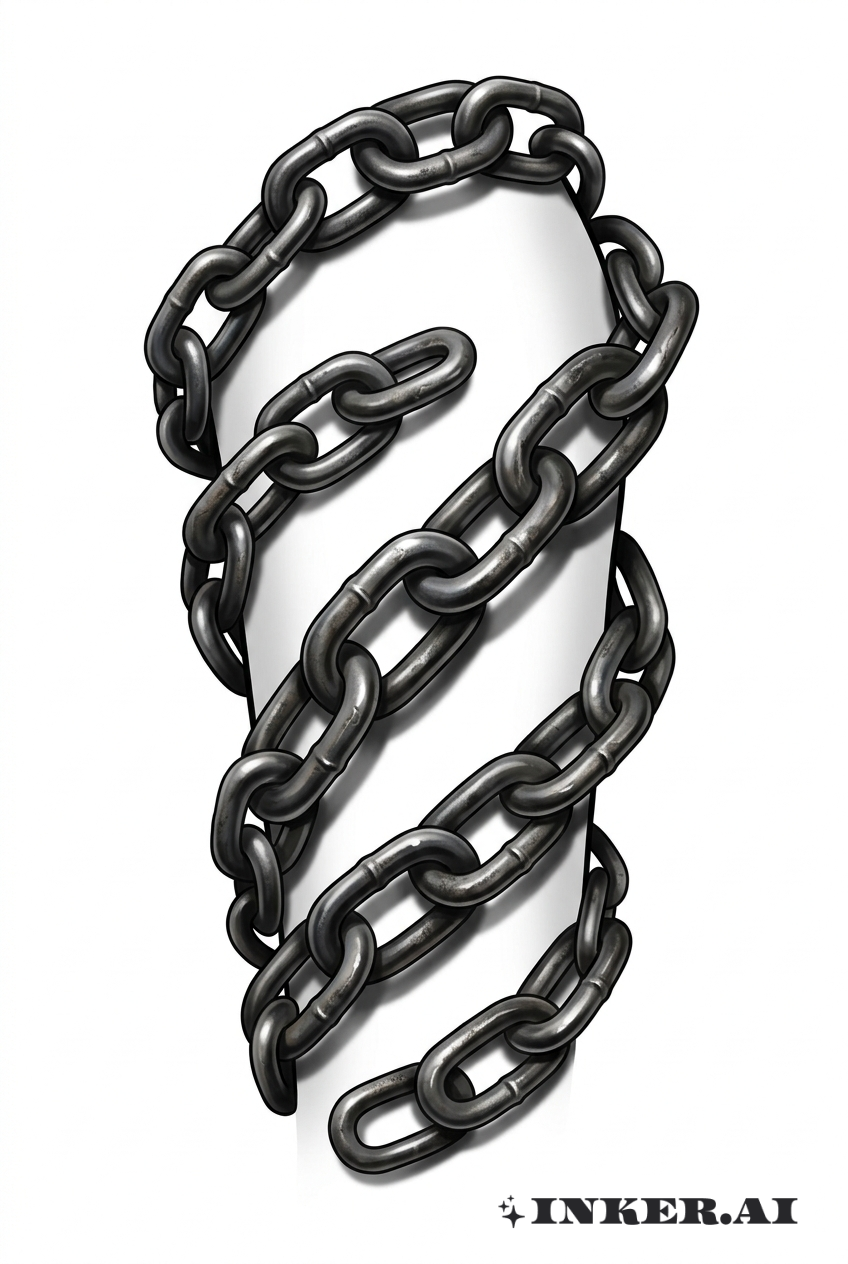
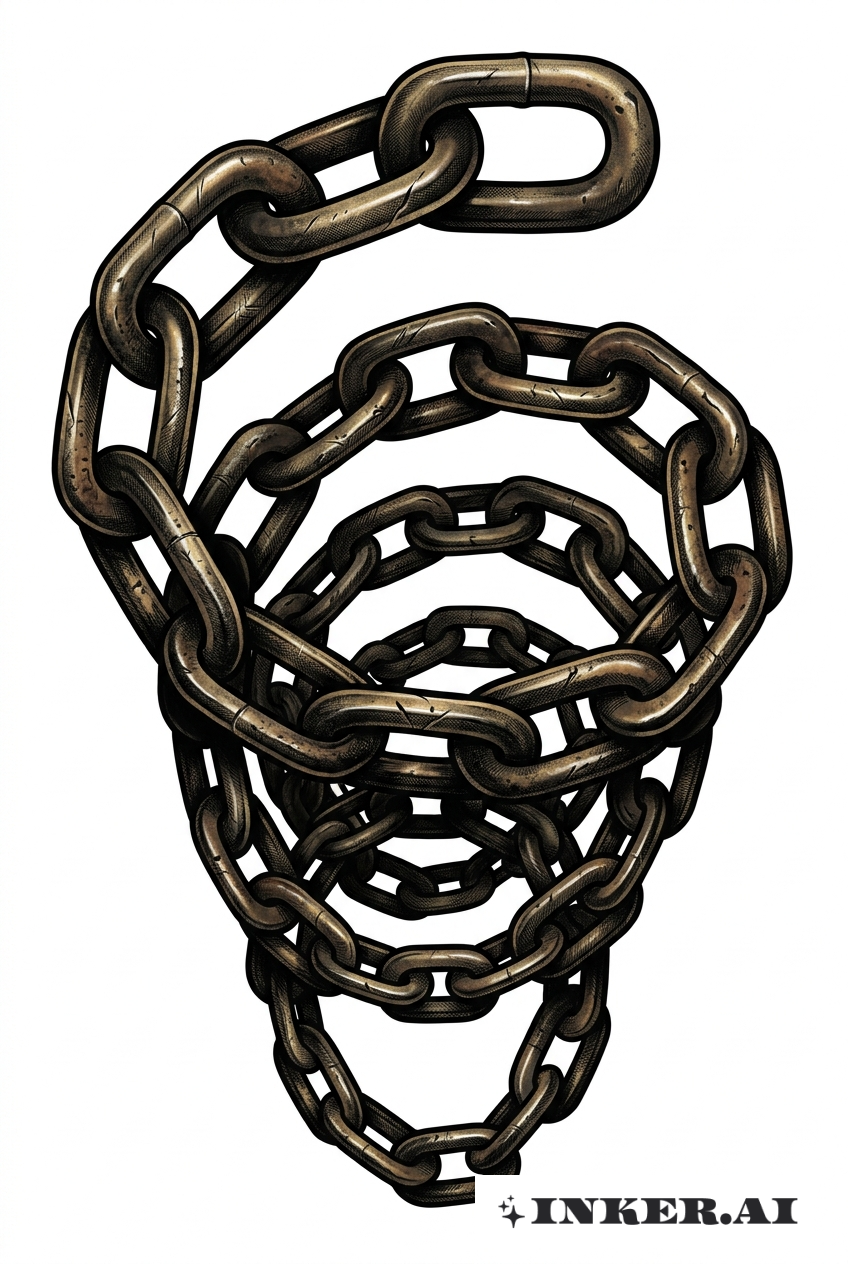
The concept draws inspiration from the meeting point between mythological dragon art and industrial chain imagery. Organic curves, dramatic movement, and expressive anatomy are contrasted with hard metal links to create visual tension. The dark fantasy mood is strengthened by a black-and-gray palette, while the intertwined forms suggest a narrative of confinement, resistance, and transformation. The result is a bold composition designed to feel both ancient and mechanical.