Cultural Meaning Of Sting-Like-Bee Sword Cross Tattoo Design
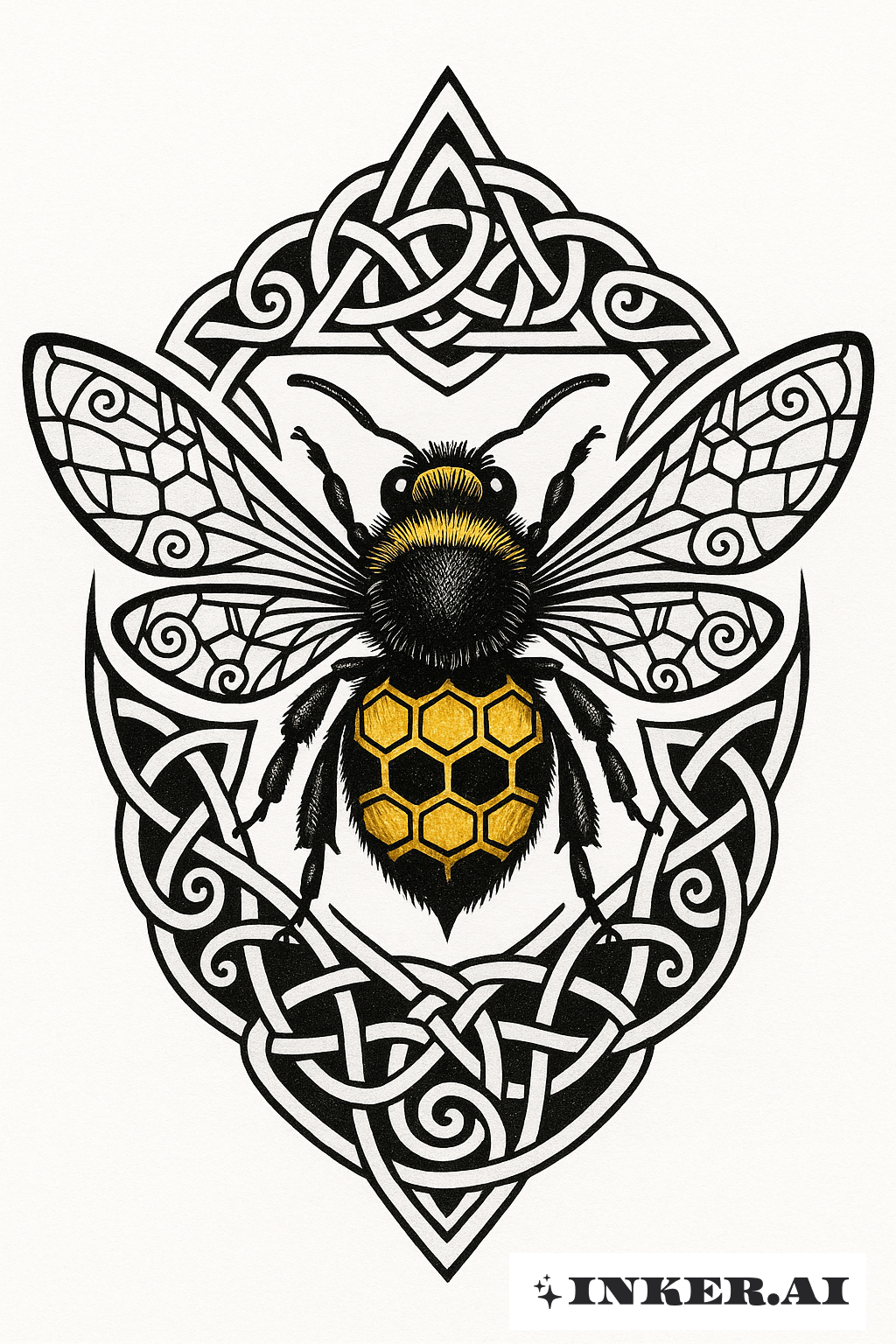
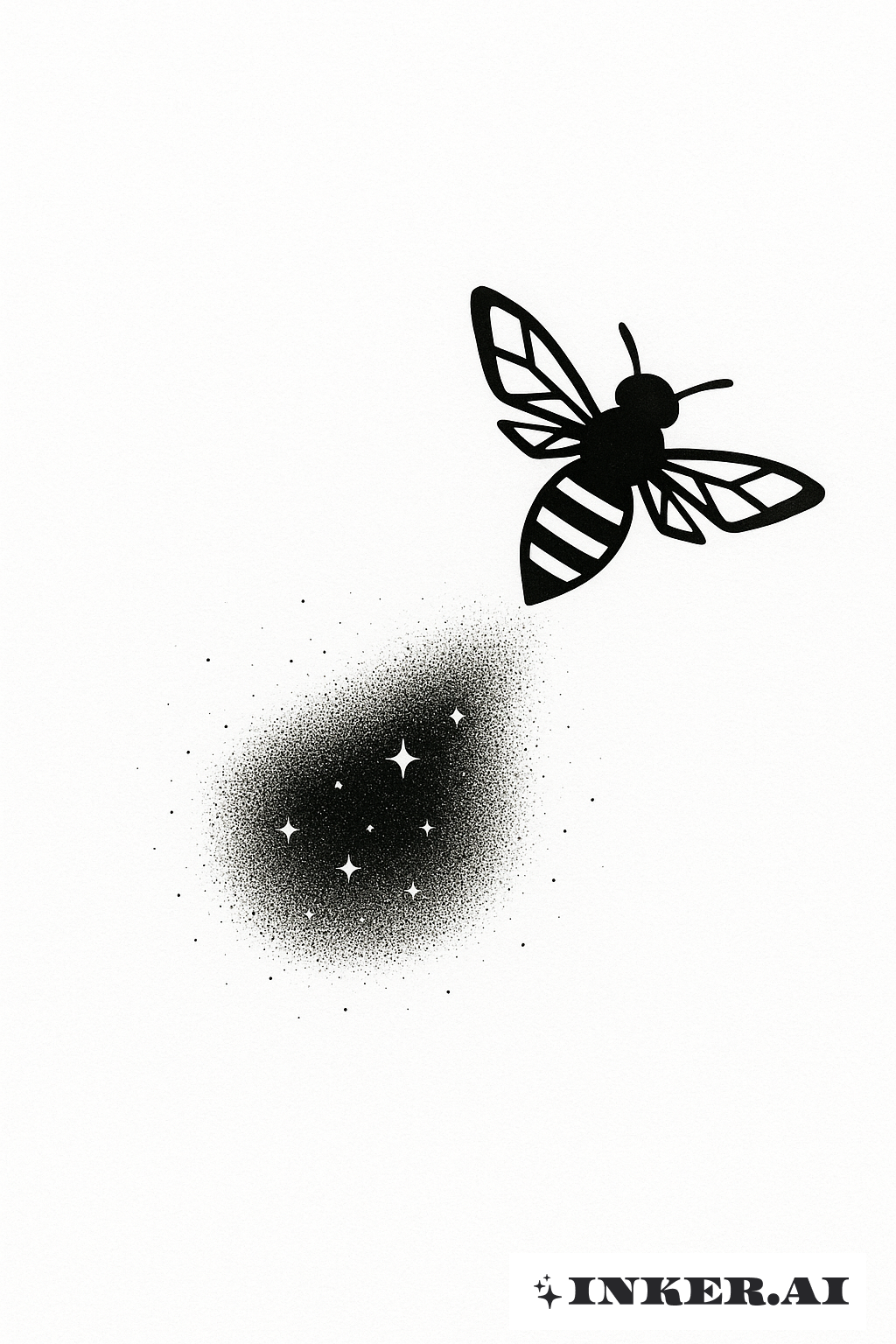
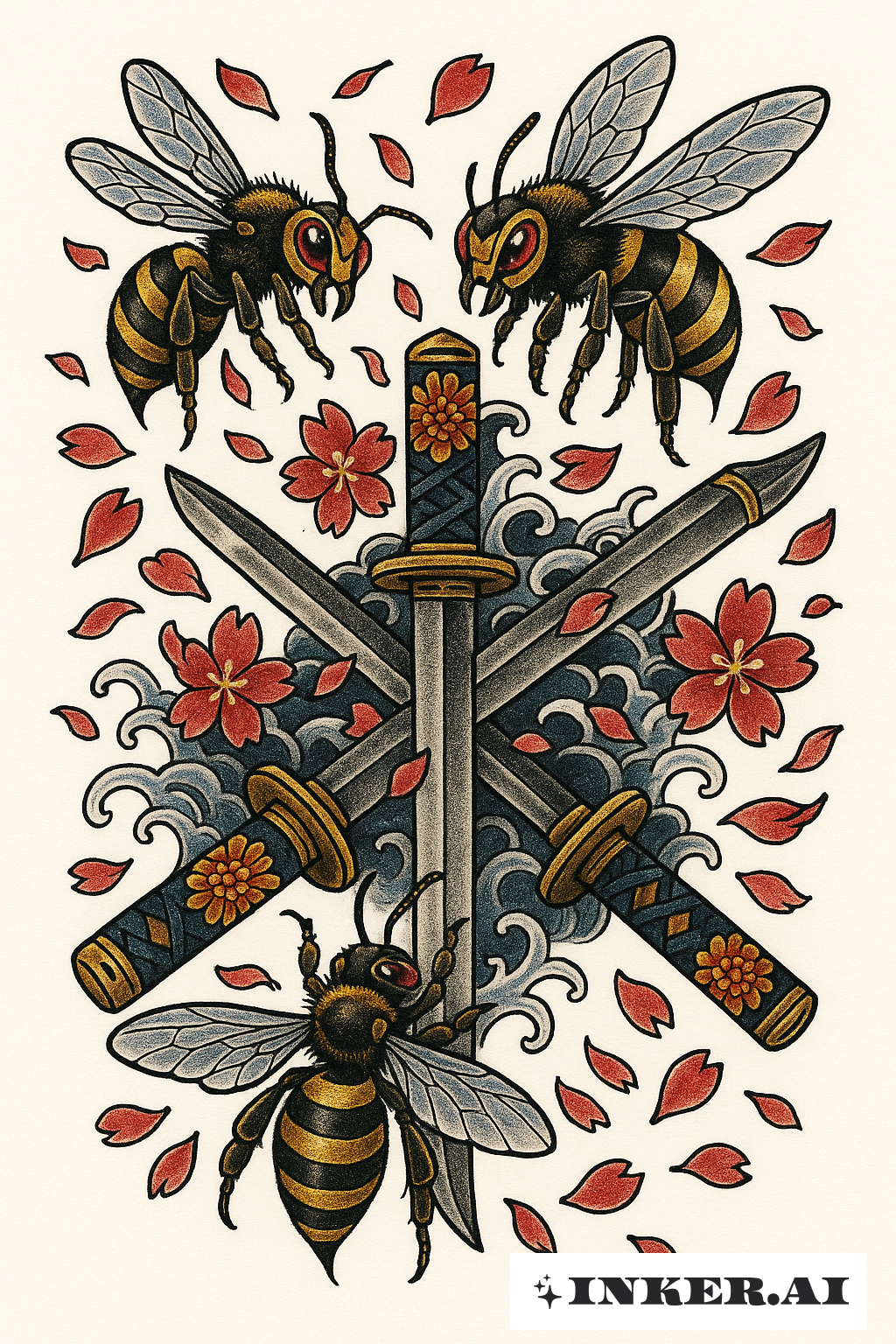
The bee is commonly associated with diligence, community, loyalty, productivity, and the sweetness earned through persistent effort. Its stinger introduces another layer of meaning: protection, boundaries, courage, and the ability to defend what matters. By shaping the bee into a sword-like cross, the design connects these qualities with spiritual conviction and inner discipline. The sword can represent truth, resolve, justice, or the courage to cut through confusion, while the cross may suggest faith, sacrifice, guidance, or personal endurance. Together, these elements create a symbol of a hardworking spirit guided by belief and prepared to stand its ground. The vertical composition can also evoke ascent, purpose, and a direct path forward. In Japanese tattoo style, the powerful silhouette and balanced ornamental structure give the symbolism a ceremonial, almost talismanic presence. As Bee tattoo ideas go, this image suits someone who values both gentleness and ferocity: a productive nature that creates, a loyal heart that serves, and a guarded spirit that responds decisively when challenged.
Design Inspiration Of Sting-Like-Bee Sword Cross Tattoo Design
The concept draws inspiration from the visual tension between a delicate pollinating insect and the uncompromising geometry of a sword. The bee’s wings provide an organic foundation, while the elongated body and central alignment transform the natural form into a cross-shaped emblem. Heavy blackwork, symmetry, and ornamental spacing add a ceremonial quality, creating the impression of a protective insignia rather than a simple animal portrait. The result is a compact fusion of nature, devotion, and disciplined strength.