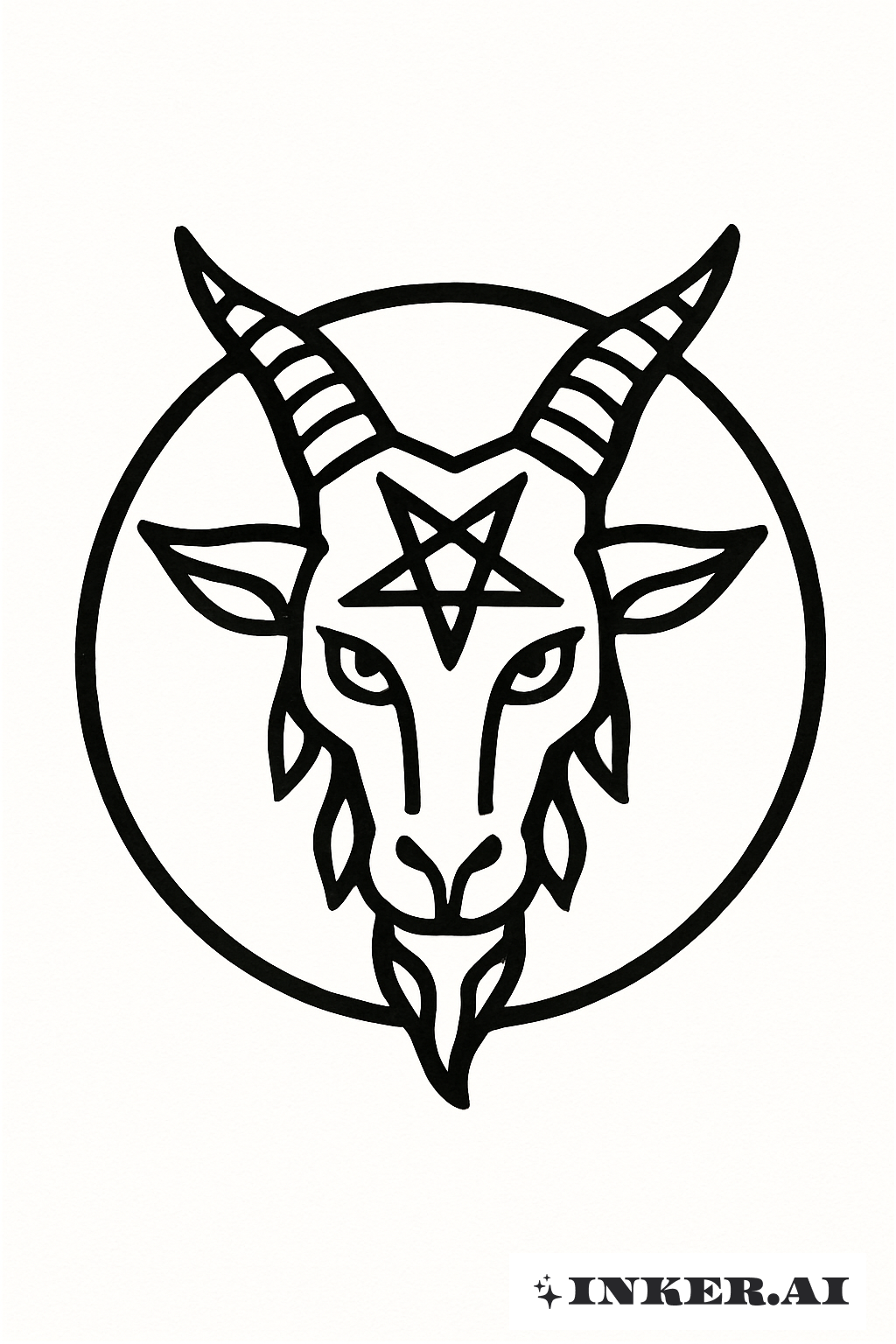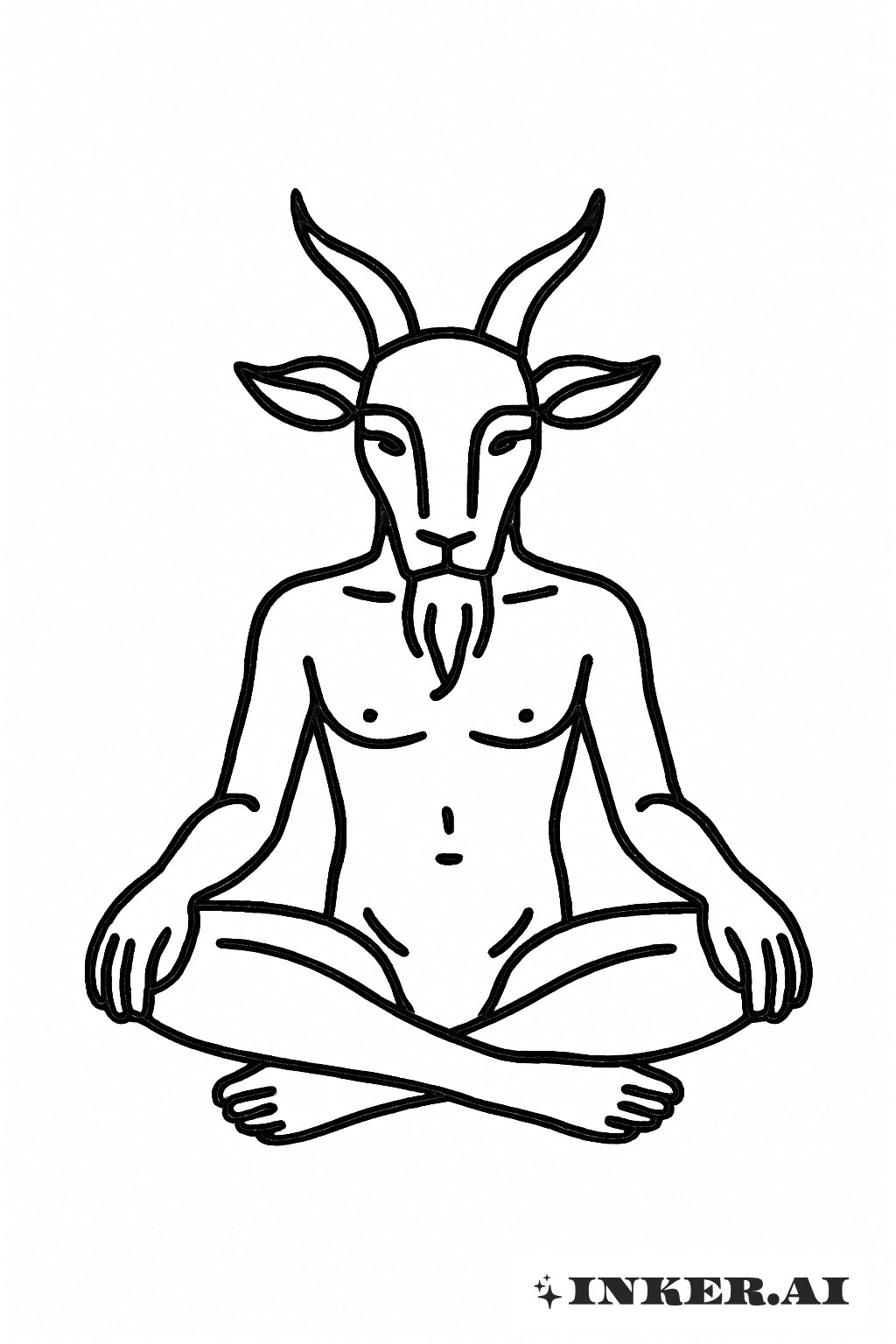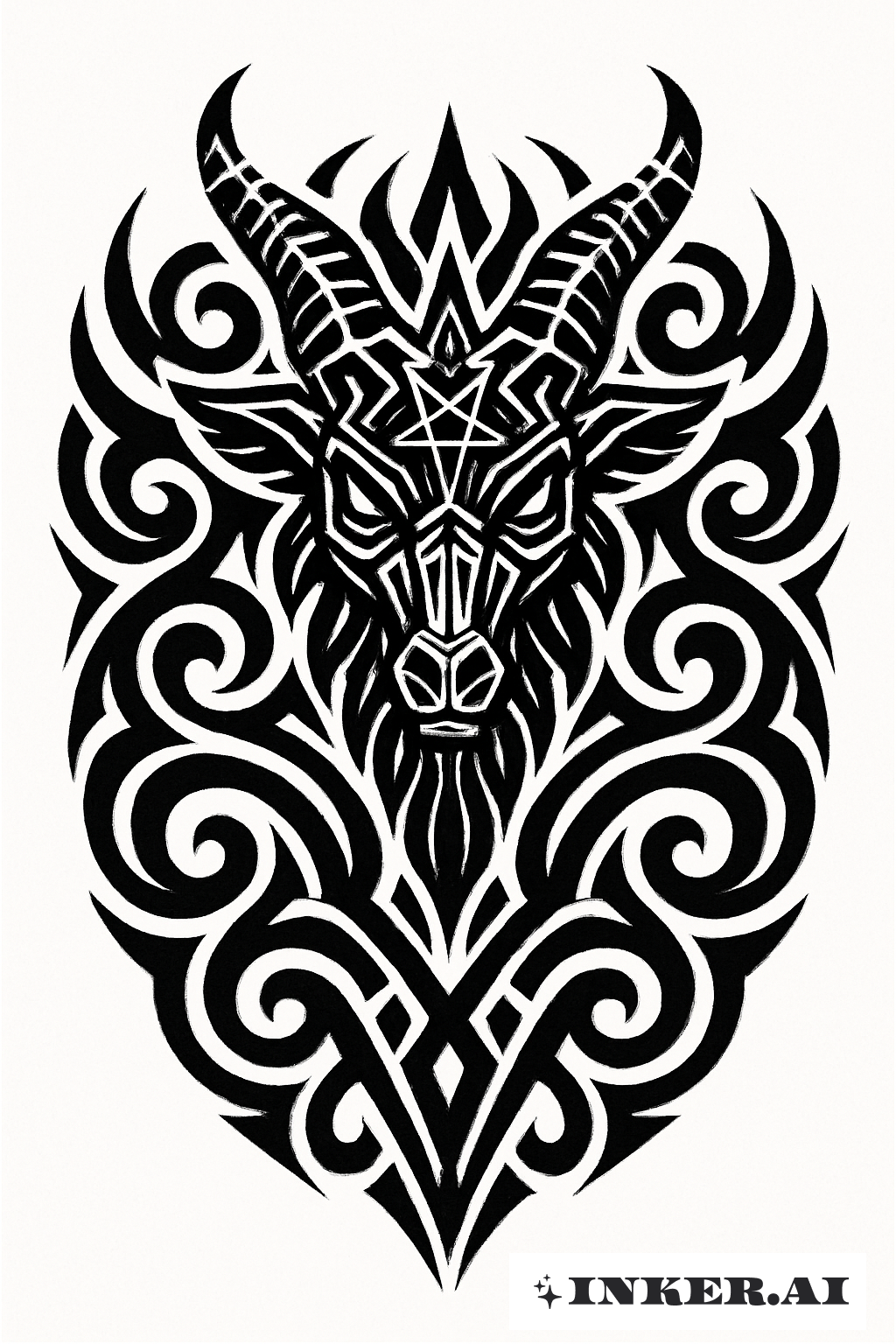
Cultural Meaning Of Woven Tribal Pattern Baphomet Tattoo Design
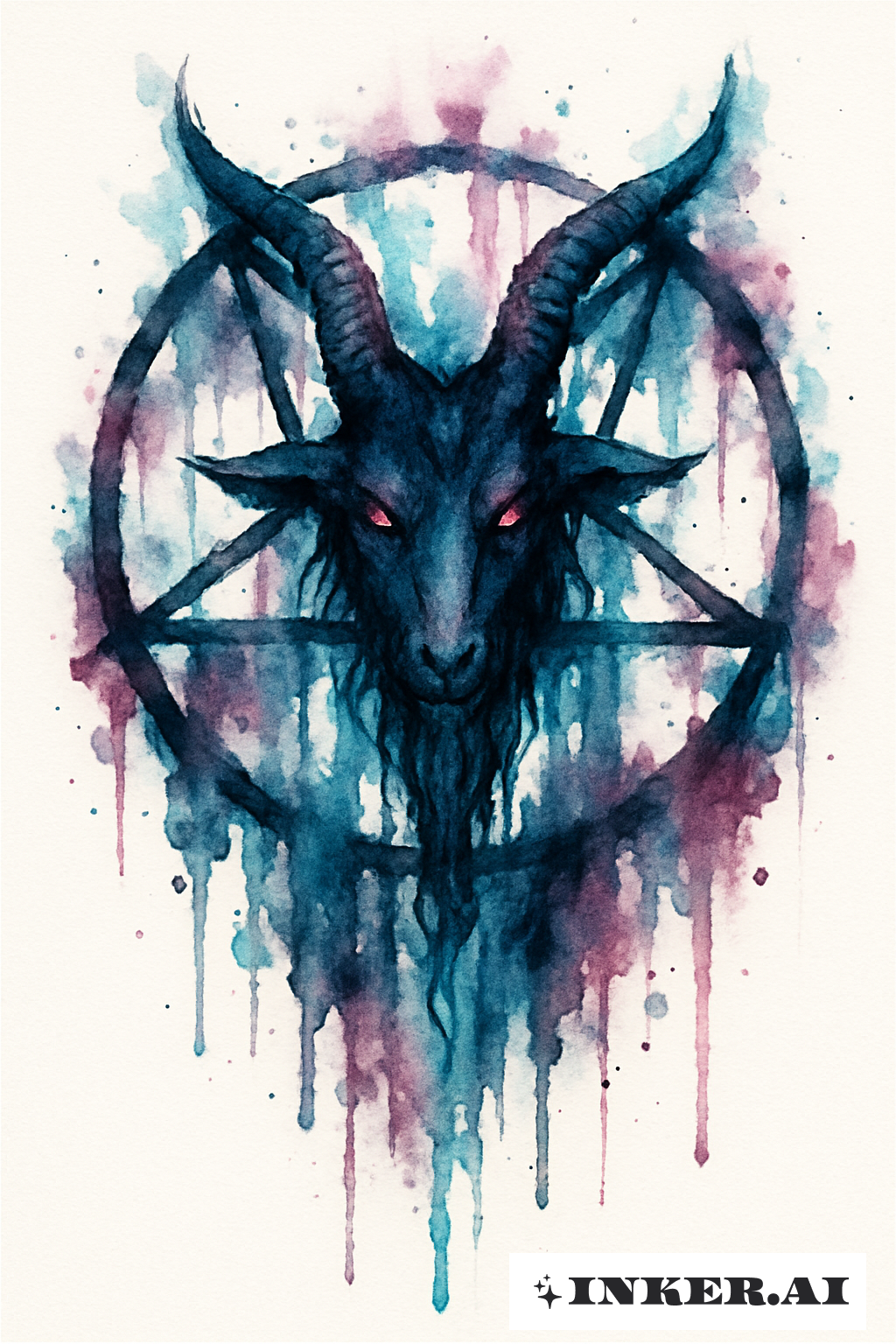
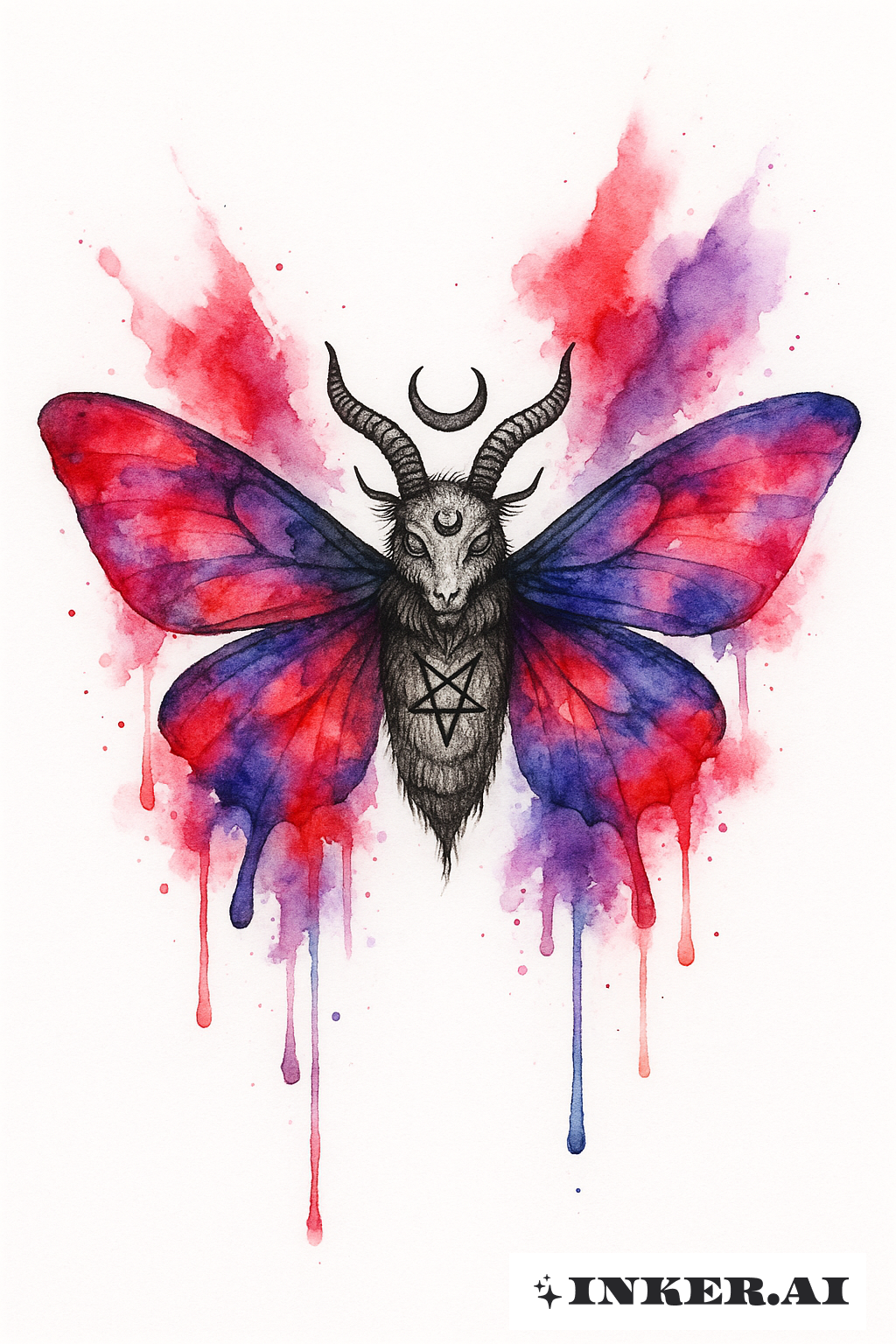
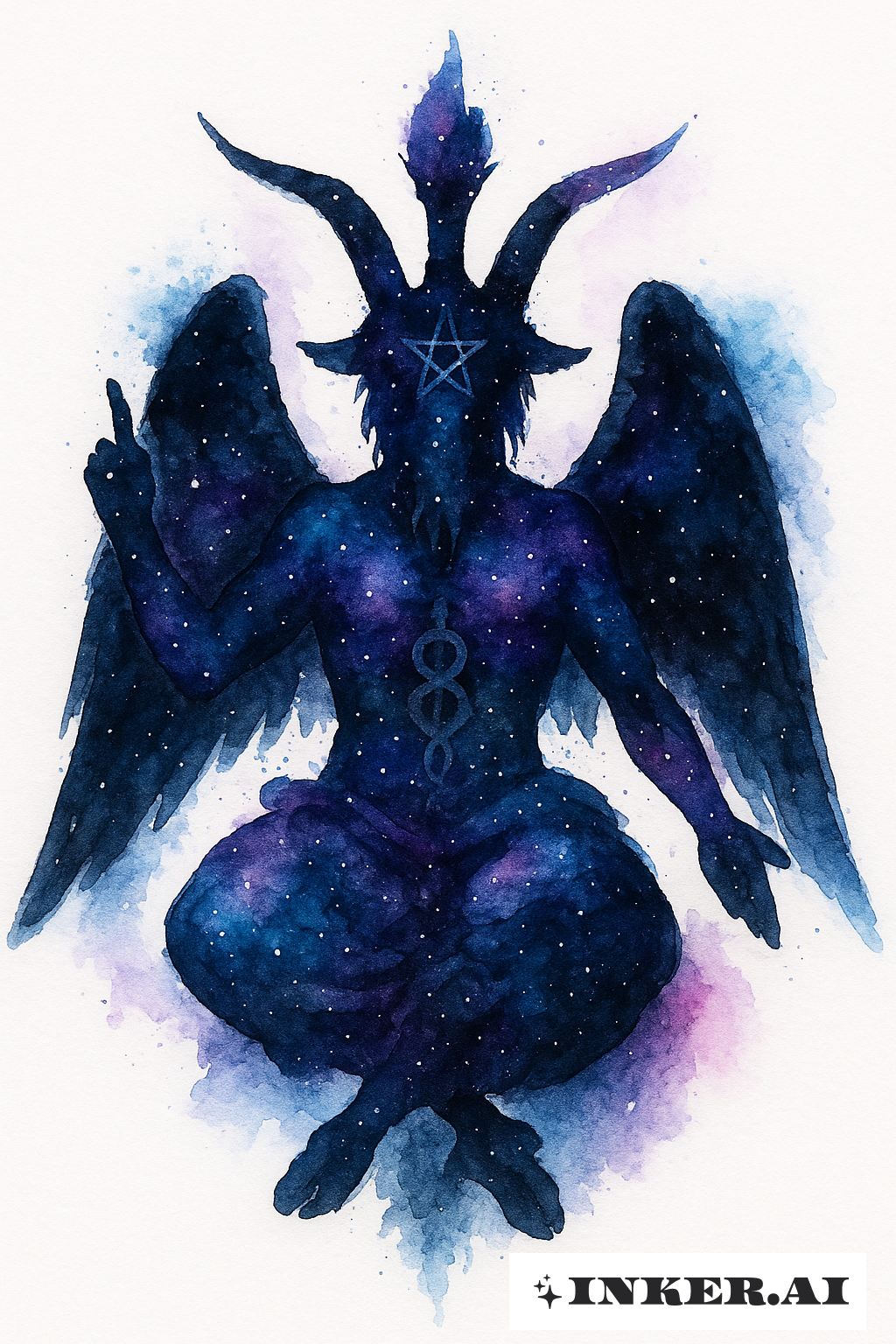
Visually, the woven construction of the goat-headed figure evokes ideas of interconnection, fate, and craftsmanship: individual strands combine to form a coherent whole, suggesting unity born from complexity. The goat head, historically associated with duality, wisdom, and rebellion, is reframed here as an emblem stitched from cultural patterns rather than an isolated idol. The braided halo and repeating motifs speak to cycles, protection, and the blending of human and animal characteristics—an invitation to interpret transformation and inner balance. Using classic knotwork vocabulary paired with stark, modern silhouettes creates a bridge between ancestral ornament and contemporary symbolism. For wearers drawn to layered meaning, this piece can signify inner integration, resistance to simple categorization, or a personal rite of passage communicated through tactile patterning. Its aesthetic roots are grounded in ritual markings and woven artforms, which is why the artwork resonates as a statement piece that references both craft and creed. Placing this design within a Tribal tattoo style frames the work in a lineage of bold, symbolic body art while the subject offers a fresh angle among Baphomet tattoo ideas.
Design Inspiration Of Woven Tribal Pattern Baphomet Tattoo Design
The concept grew from a study of knotwork and woven textiles combined with classical occult illustration. I imagined the Baphomet motif deconstructed into interlacing strands, treating horns and facial planes as braided structures rather than solid masses. Influences include medieval engravings for posture and symmetry, Polynesian and Celtic weave patterns for rhythm, and modern blackwork for contrast. The goal was to make a piece that feels timeless—rooted in handcraft traditions yet refined through contemporary tattoo geometry—inviting viewers to trace its lines and uncover hidden junctions as they move around the body.