Cultural Meaning Of Cabanel's Fallen Angel In A Single Line Tattoo Design
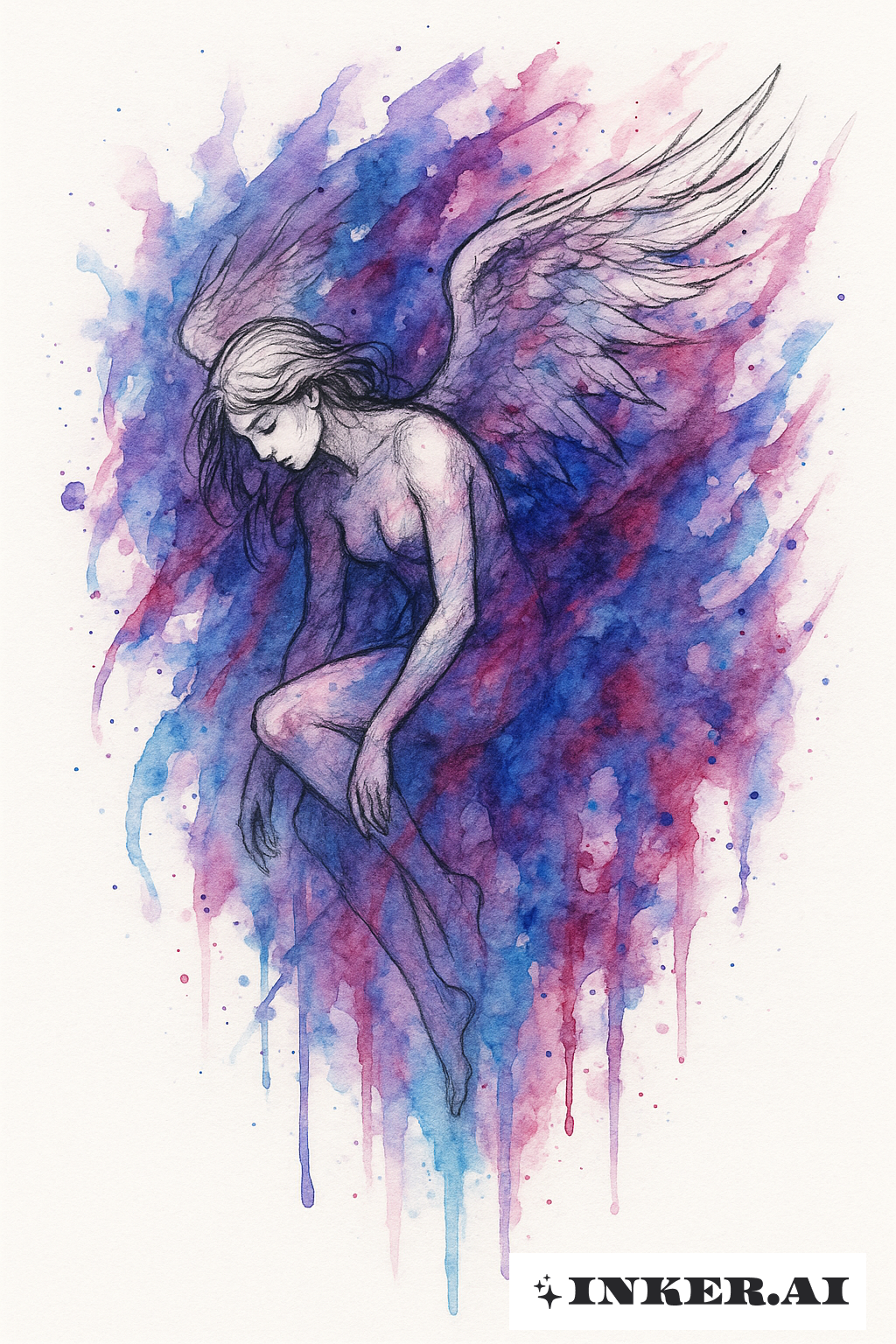
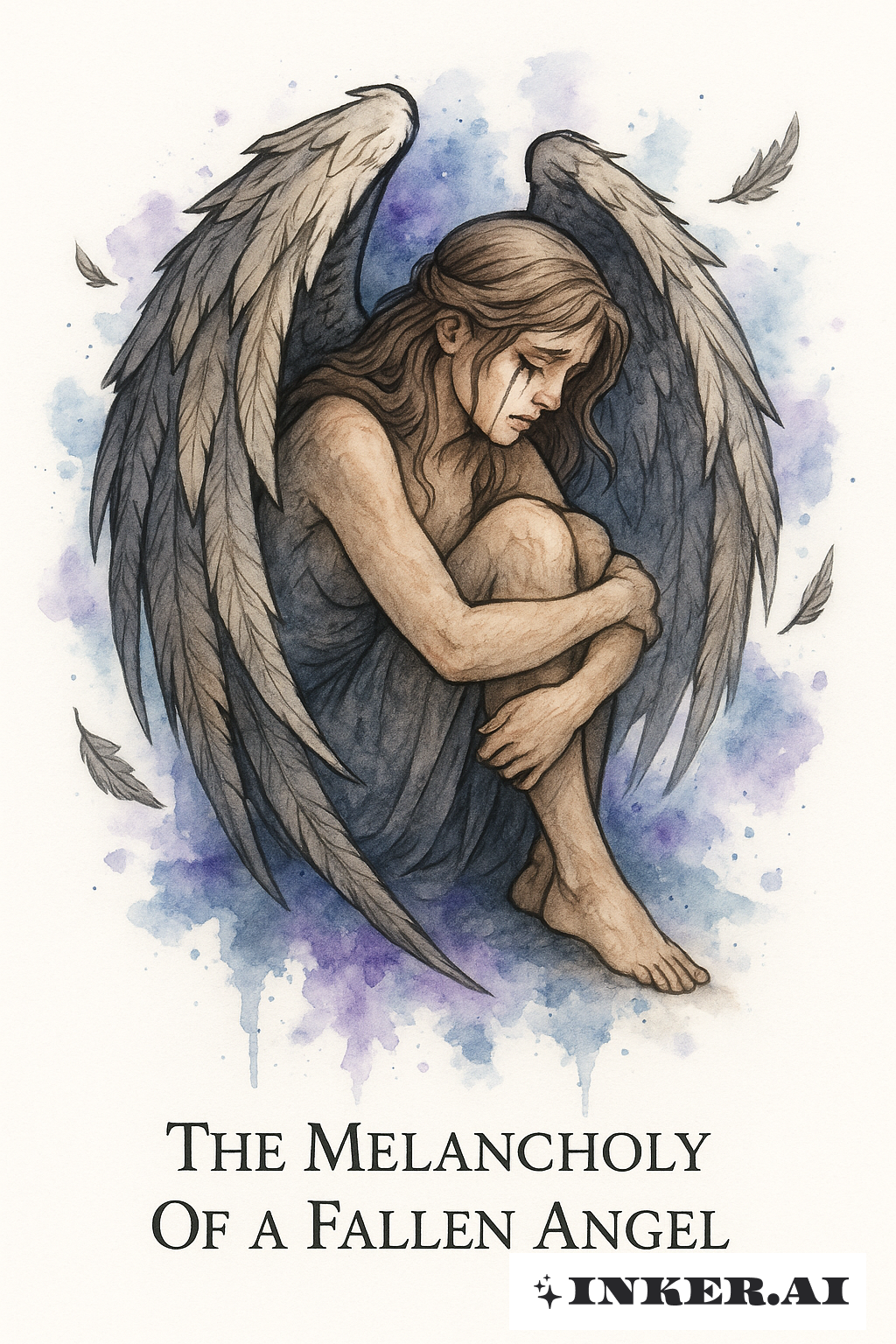
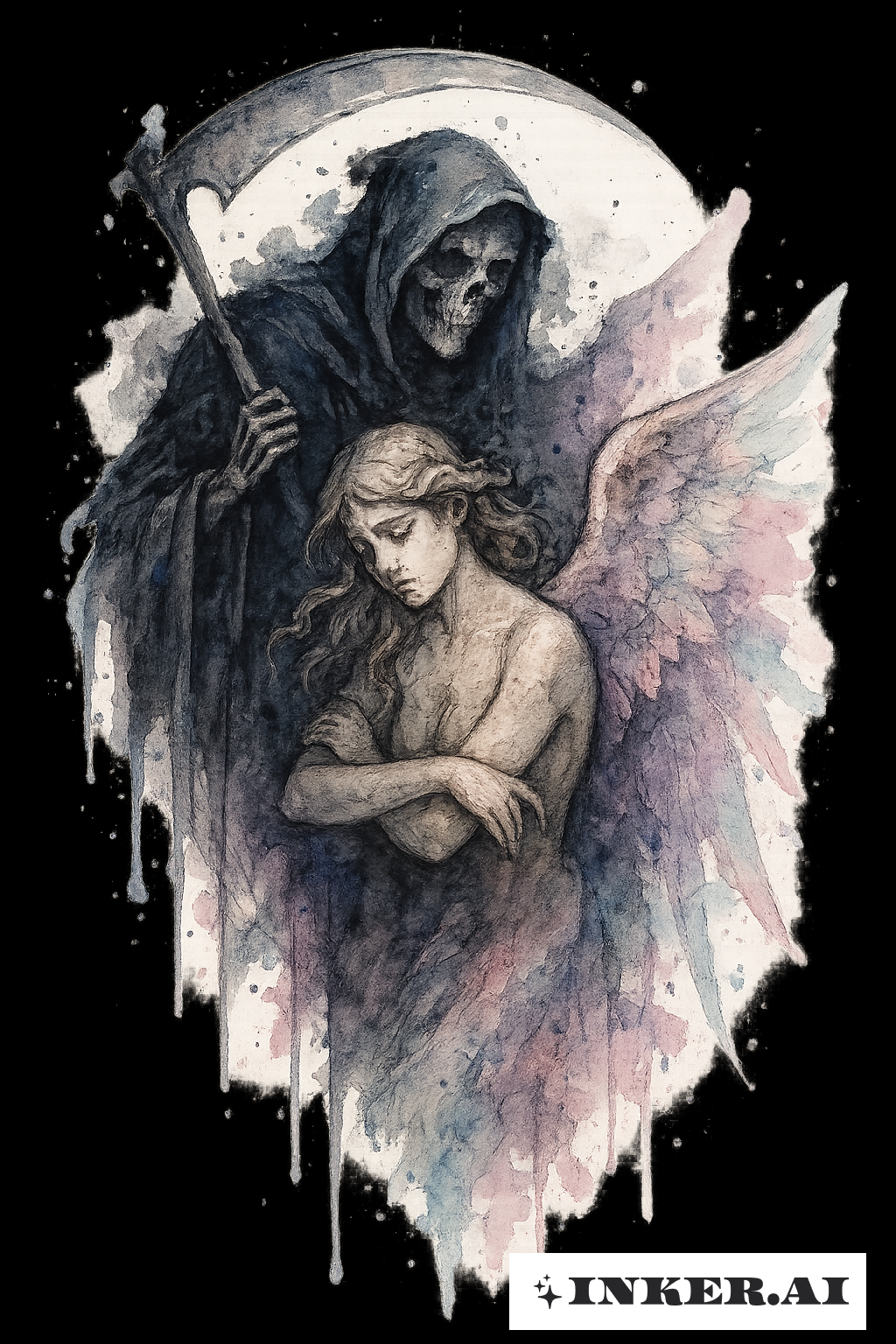
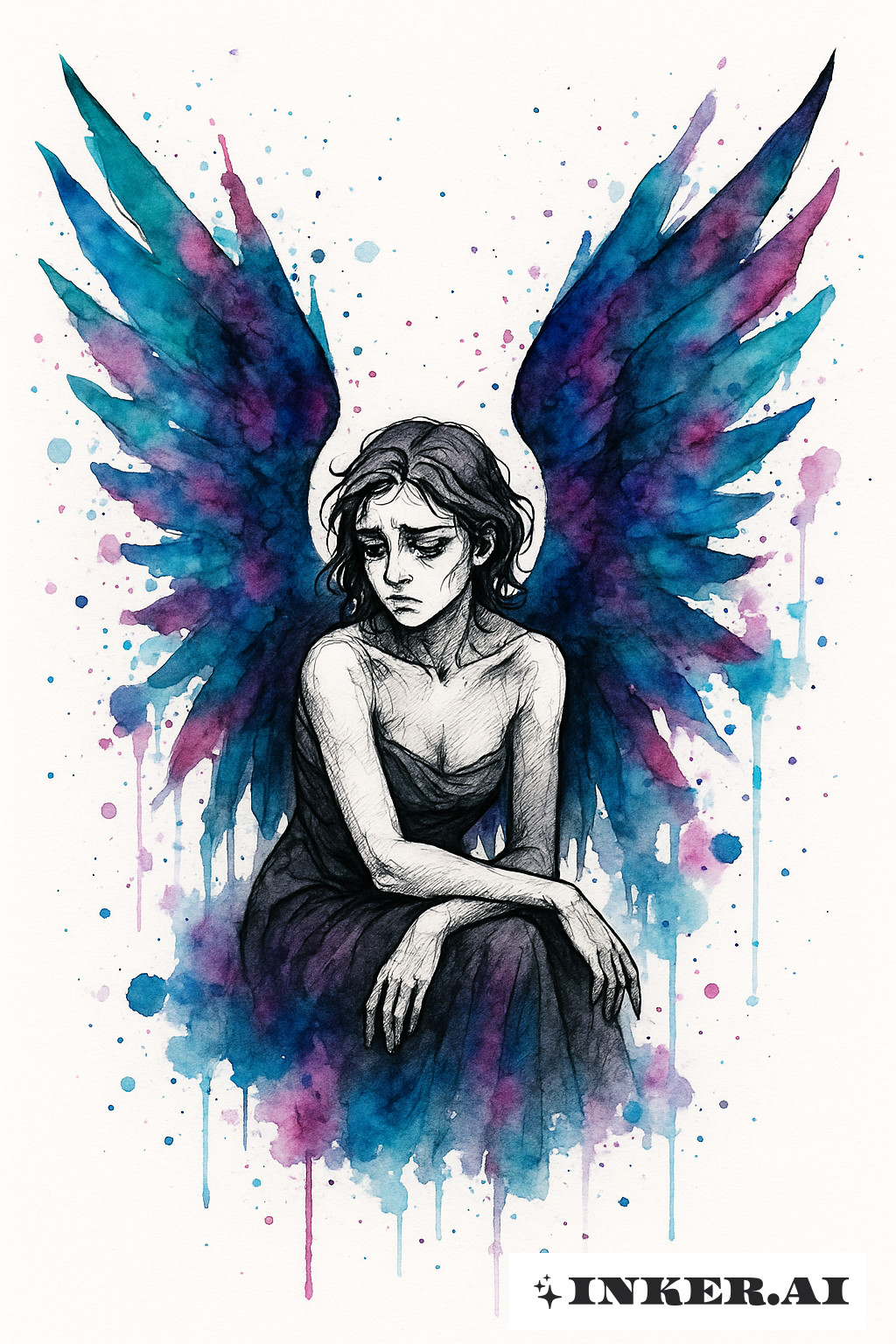
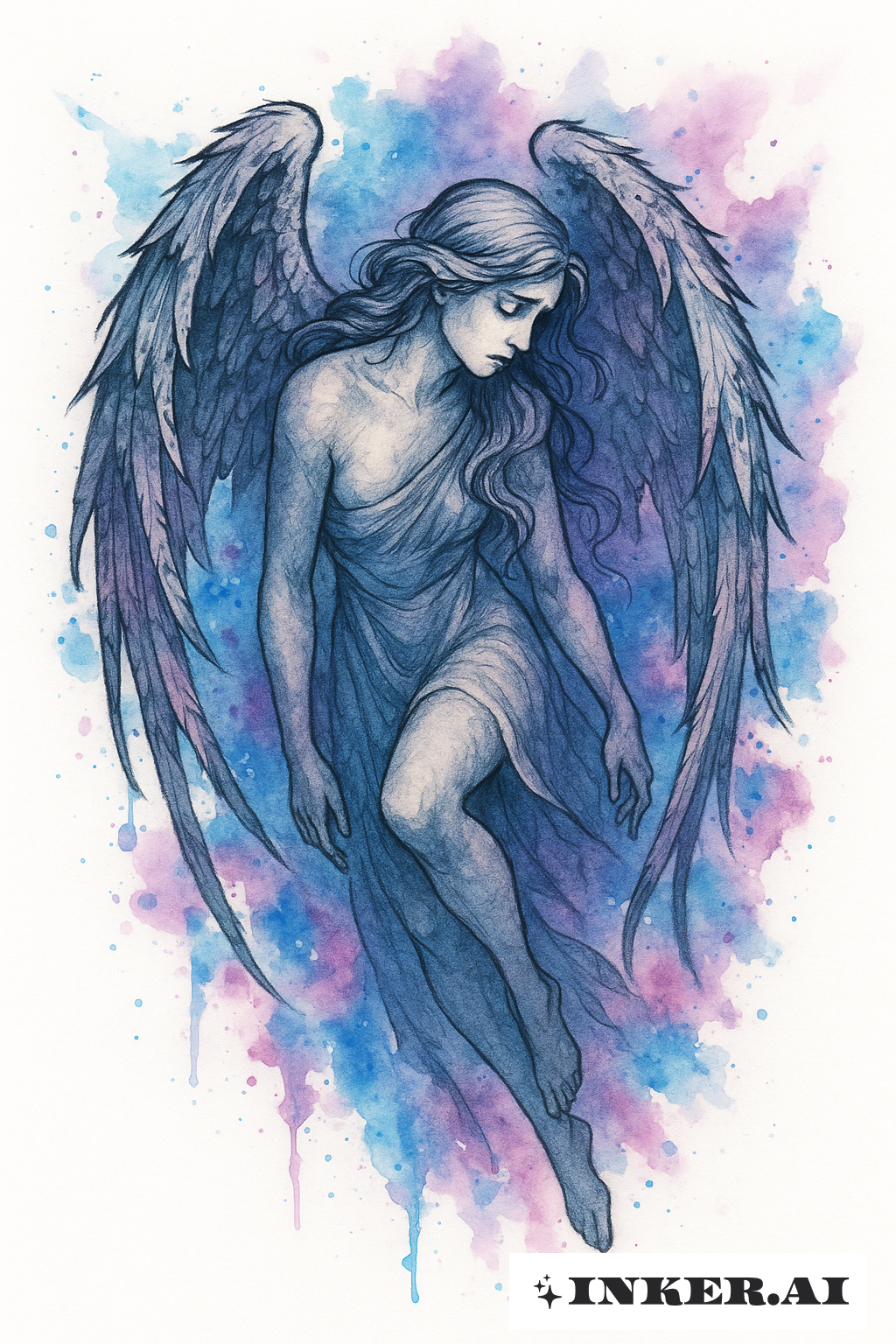
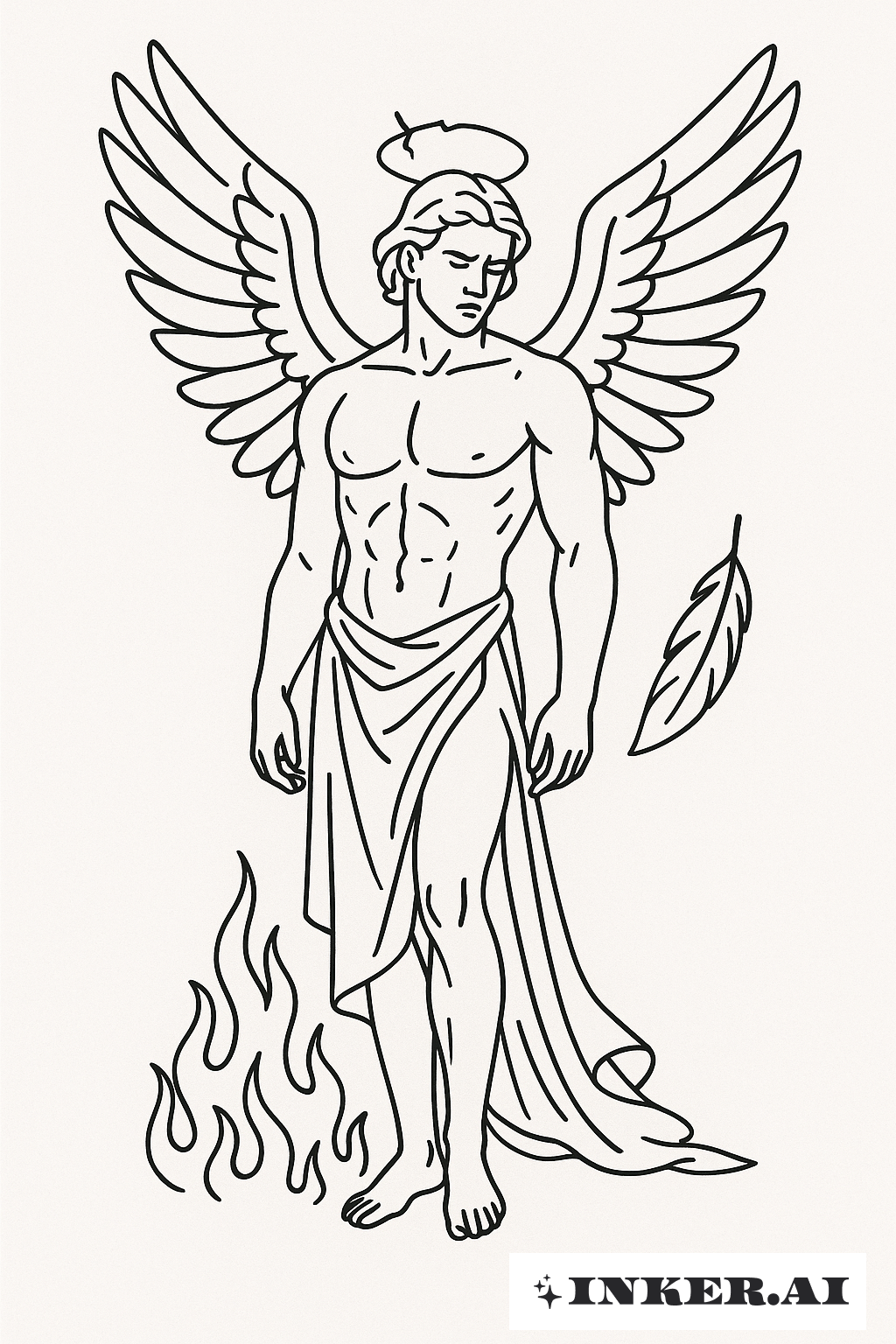
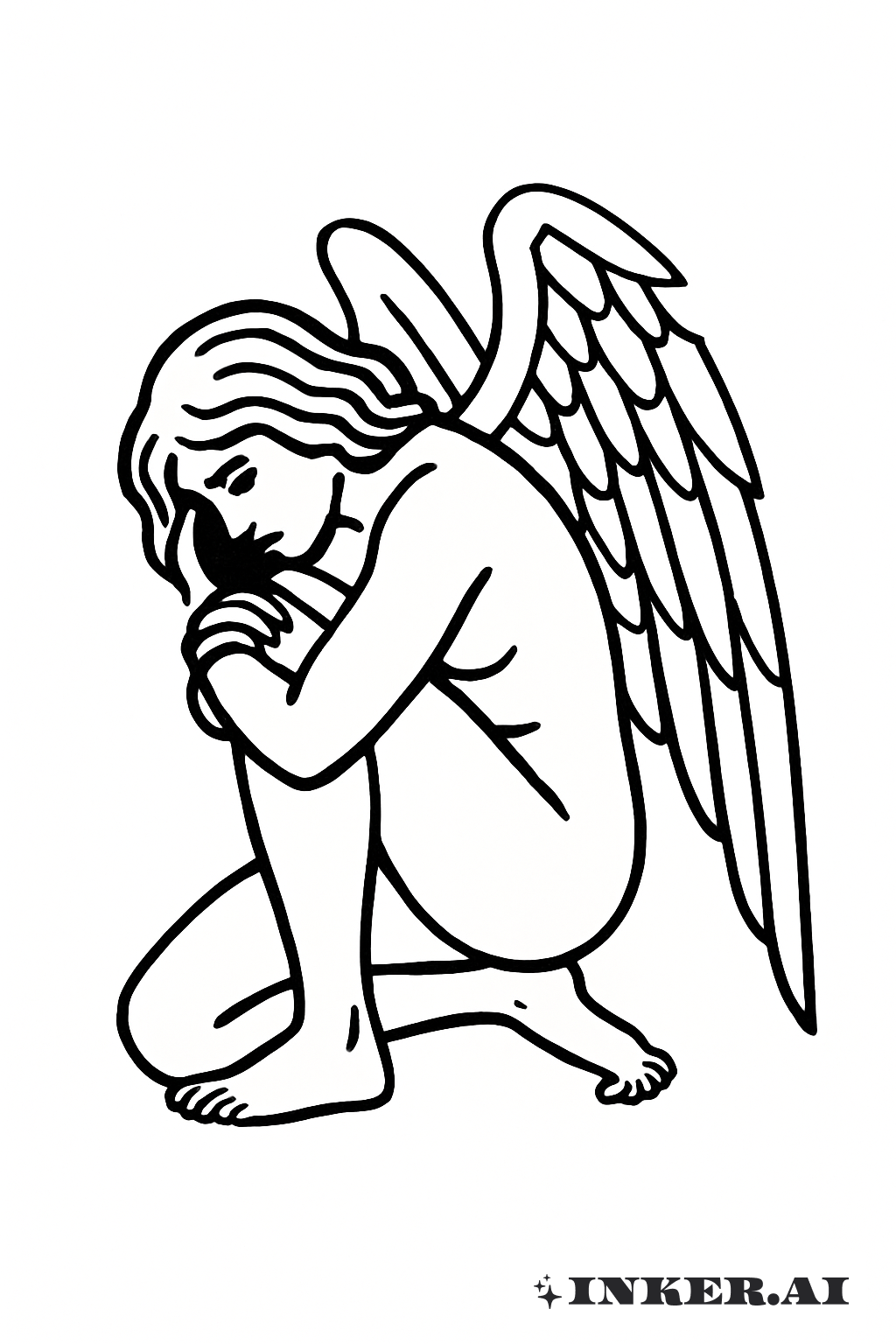
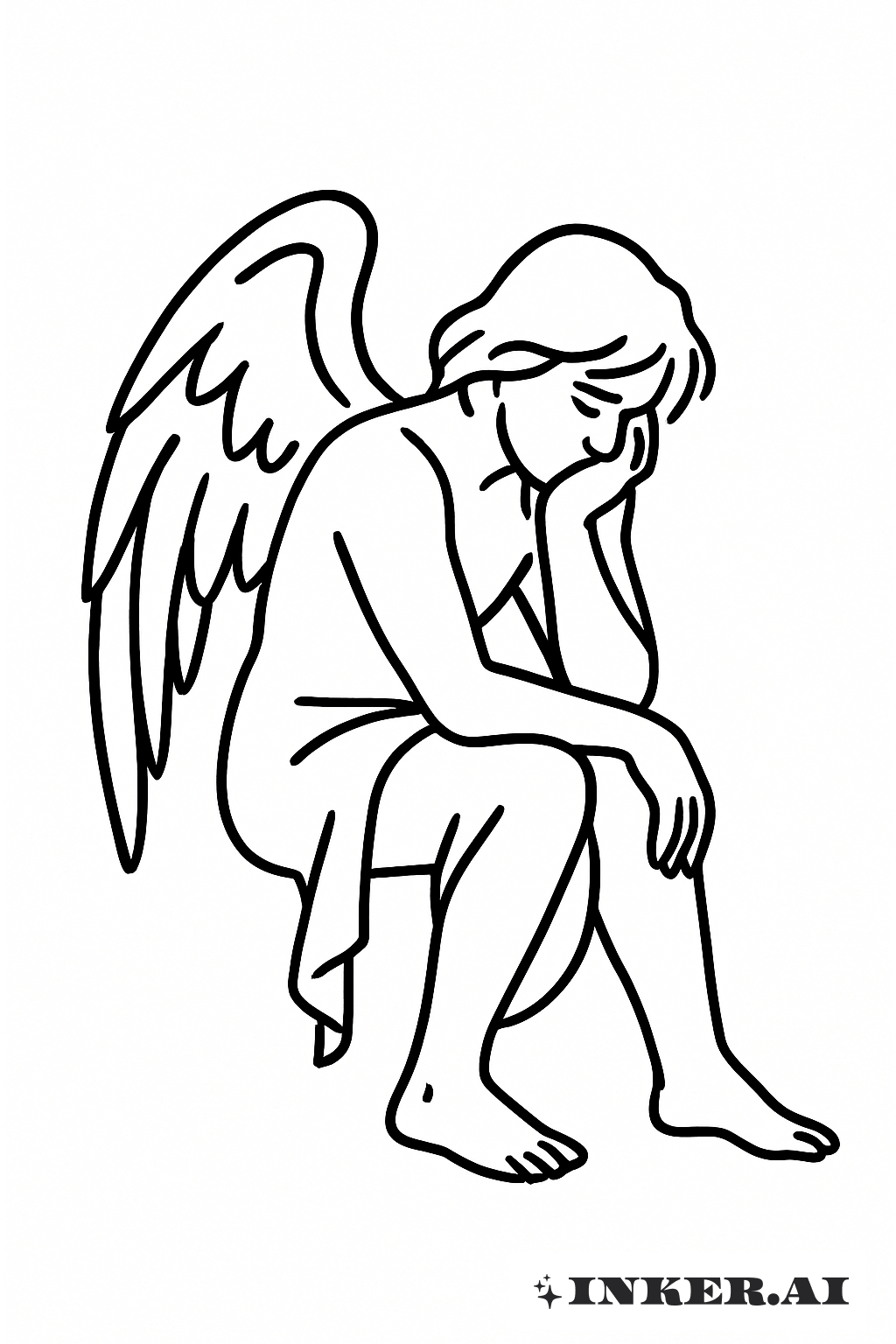
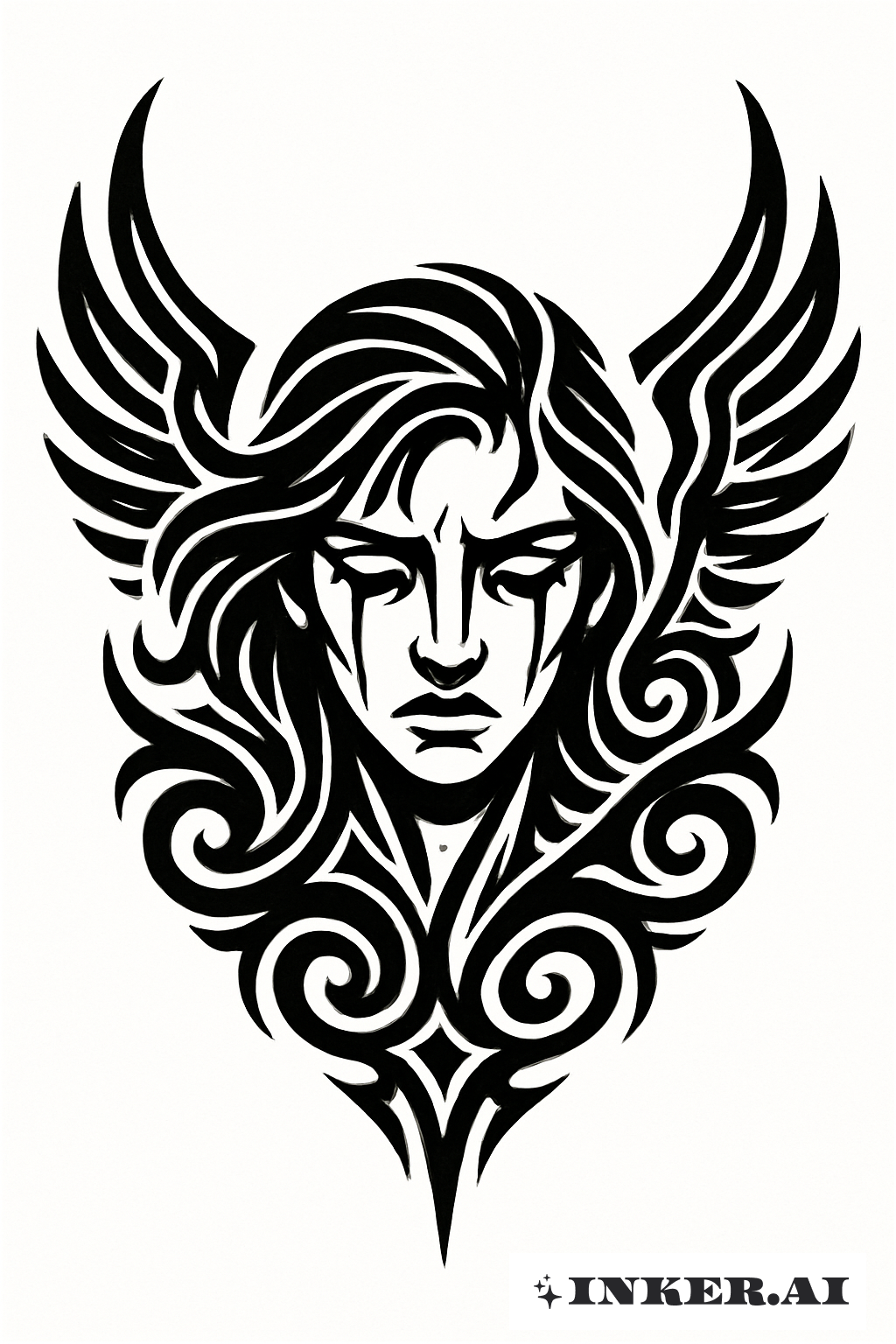
A fallen angel traditionally represents the tension between grace and rebellion, innocence and experience, or spiritual aspiration and human limitation. This design focuses less on spectacle and more on the emotional weight of the figure’s posture. The bowed head and closed body language suggest remorse, contemplation, vulnerability, or acceptance after a profound loss. The wings remain the central visual symbol: once associated with protection, transcendence, and divine purpose, they now frame a figure separated from the realm they came from. In this way, the image can express personal transformation, surviving rejection, or finding identity outside established expectations. Fallen angel tattoo ideas often appeal to people who see beauty in imperfection and strength in emotional honesty. The uninterrupted contour also adds meaning, suggesting that every part of the story remains connected, even through moments of fracture or exile. A fine line tattoo style reinforces this subtle symbolism by using restraint rather than dramatic darkness. Its delicate appearance can represent inner sensitivity, while the enduring outline reflects resilience and the ability to carry one’s past without being defined by it. The tattoo can therefore serve as a private emblem of self-knowledge, independence, and redemption.
Design Inspiration Of Cabanel's Fallen Angel In A Single Line Tattoo Design
The concept draws from Alexandre Cabanel’s romantic painting while reimagining its emotional drama through the discipline of a single continuous line. The inspiration lies in translating a richly detailed classical figure into an economical, contemporary gesture. Flowing contours echo the shape of the wings and the curve of the body, allowing sorrow, elegance, and movement to emerge without conventional shading. The contrast between an ancient mythic subject and minimalist execution gives the piece a timeless yet modern character.