Cultural Meaning Of Cel-Shaded Yakuza Hannya Portrait Tattoo Design
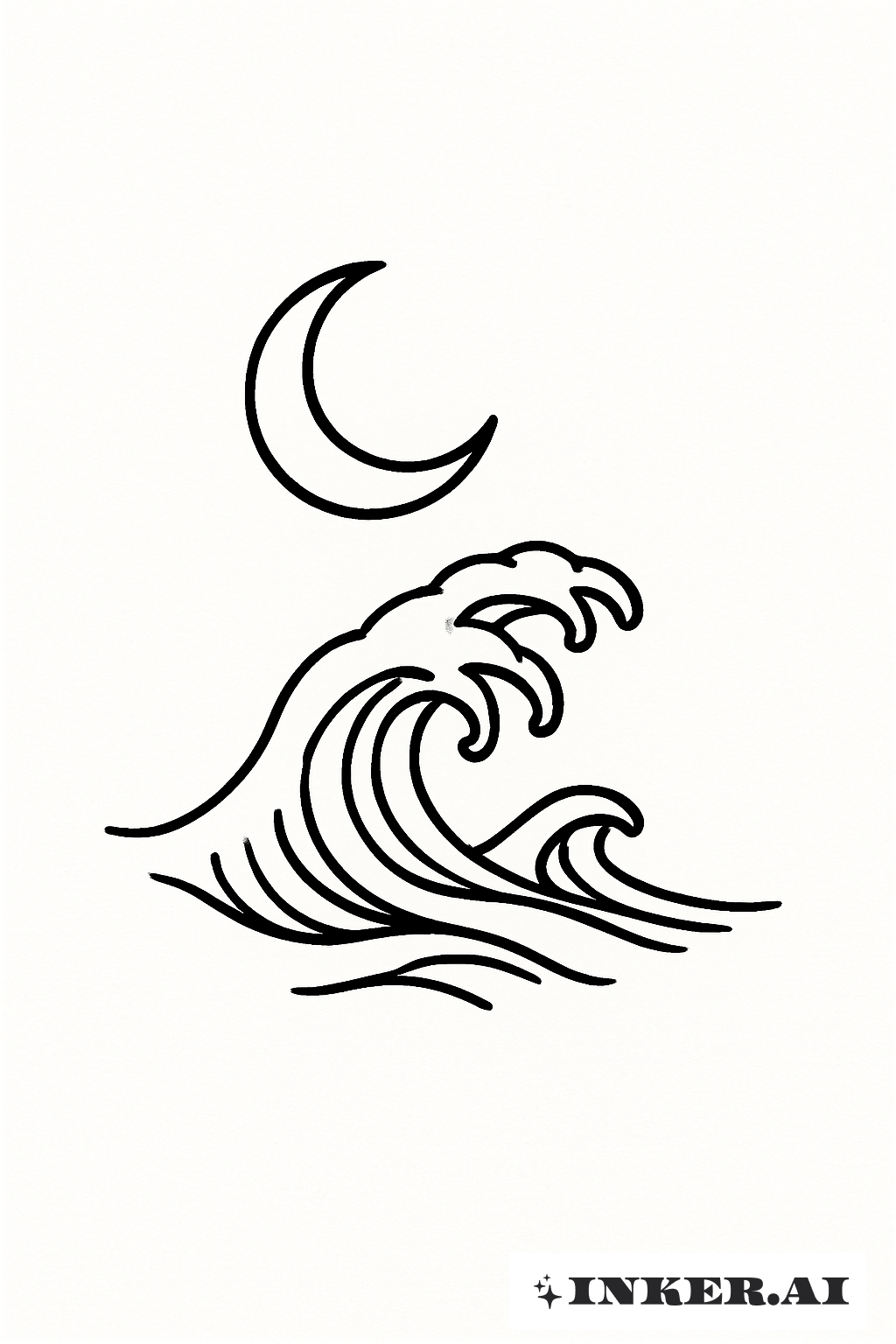
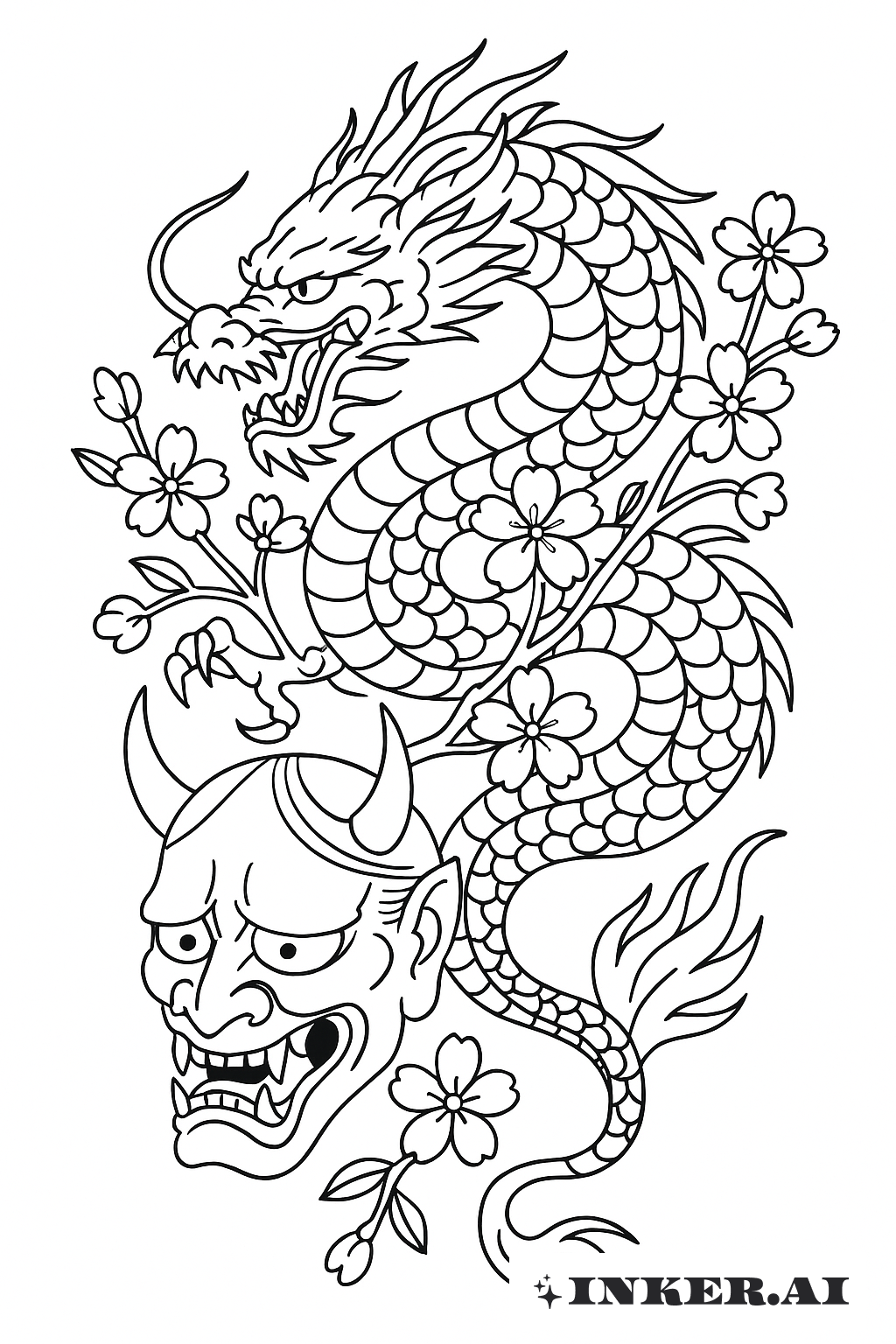
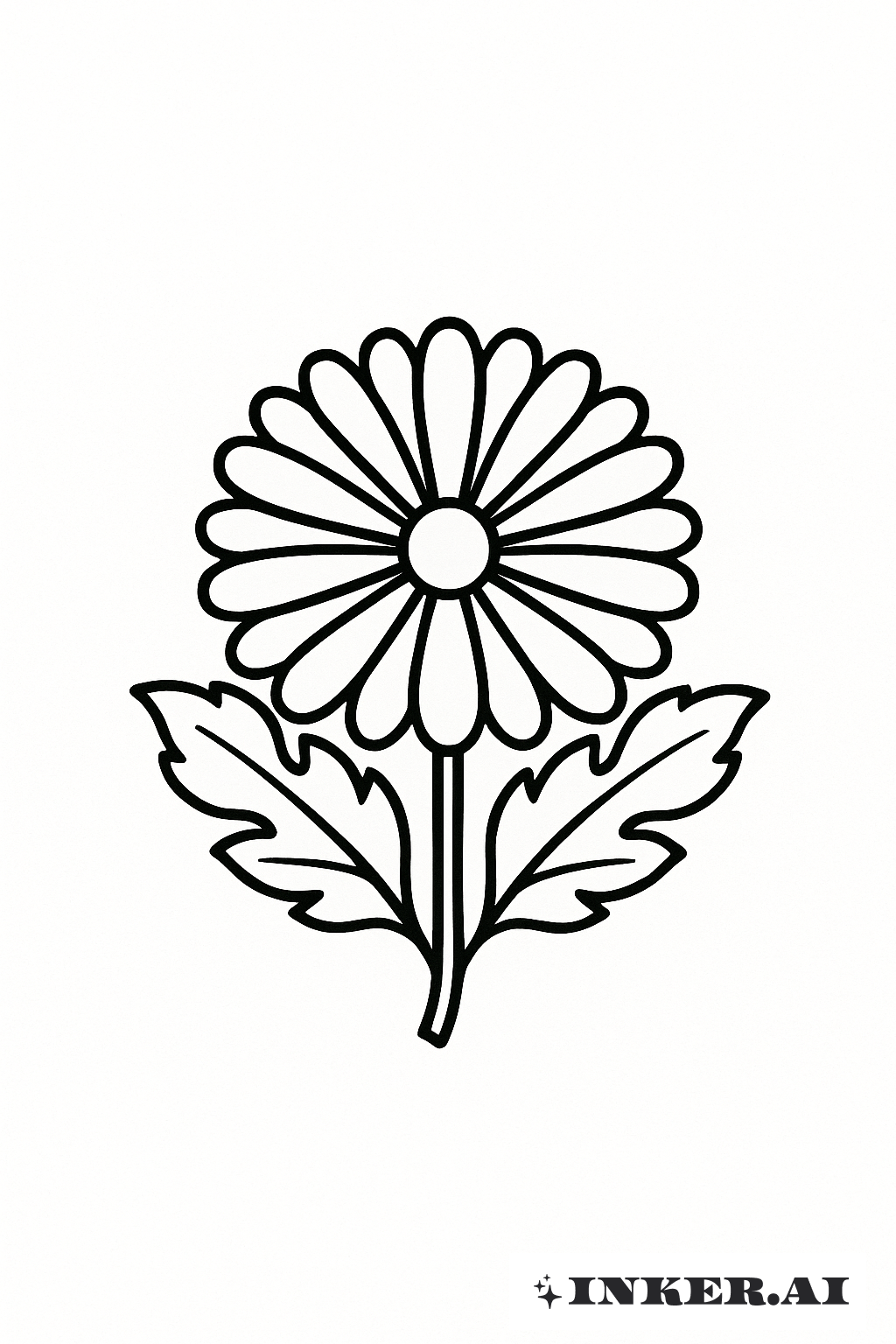
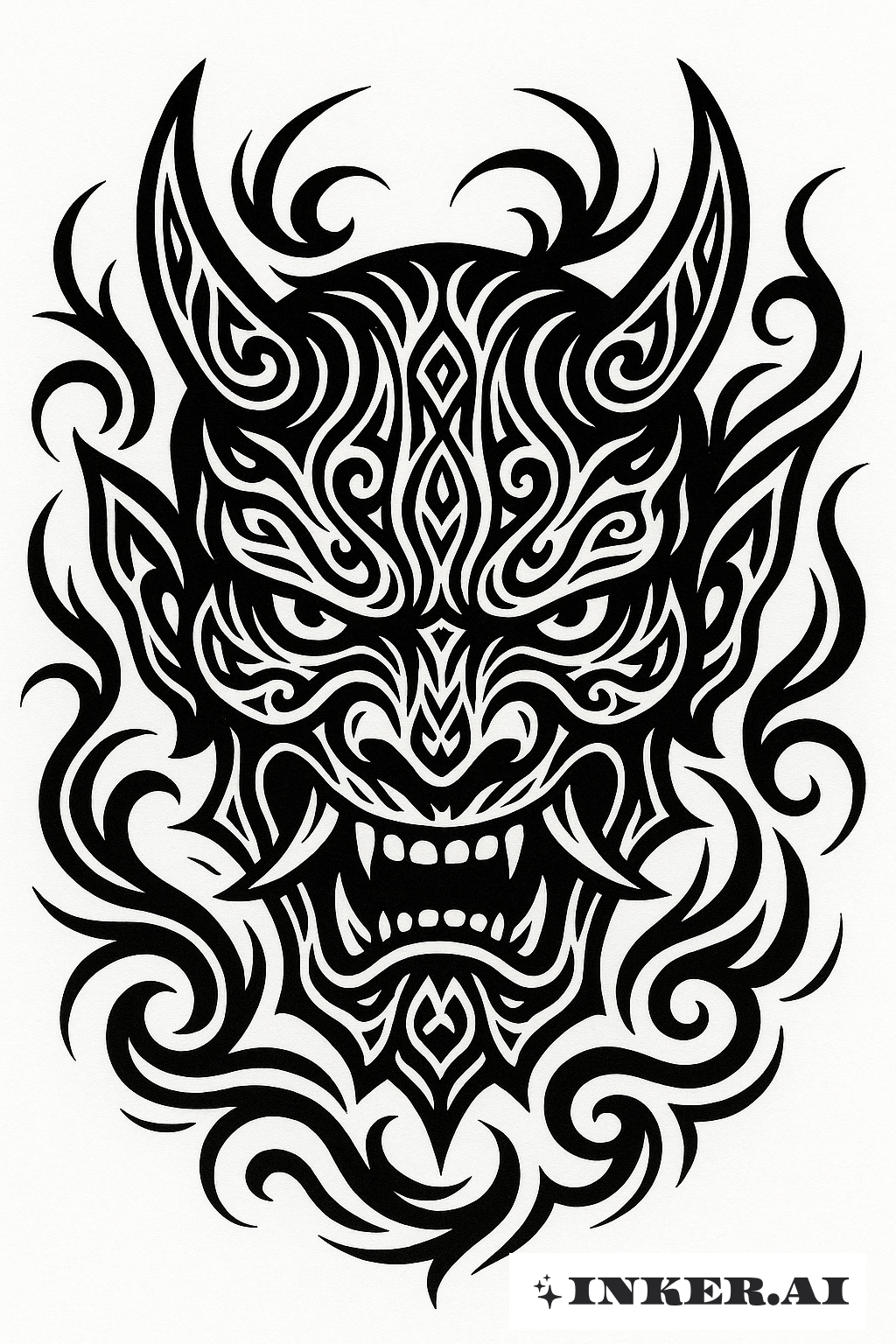
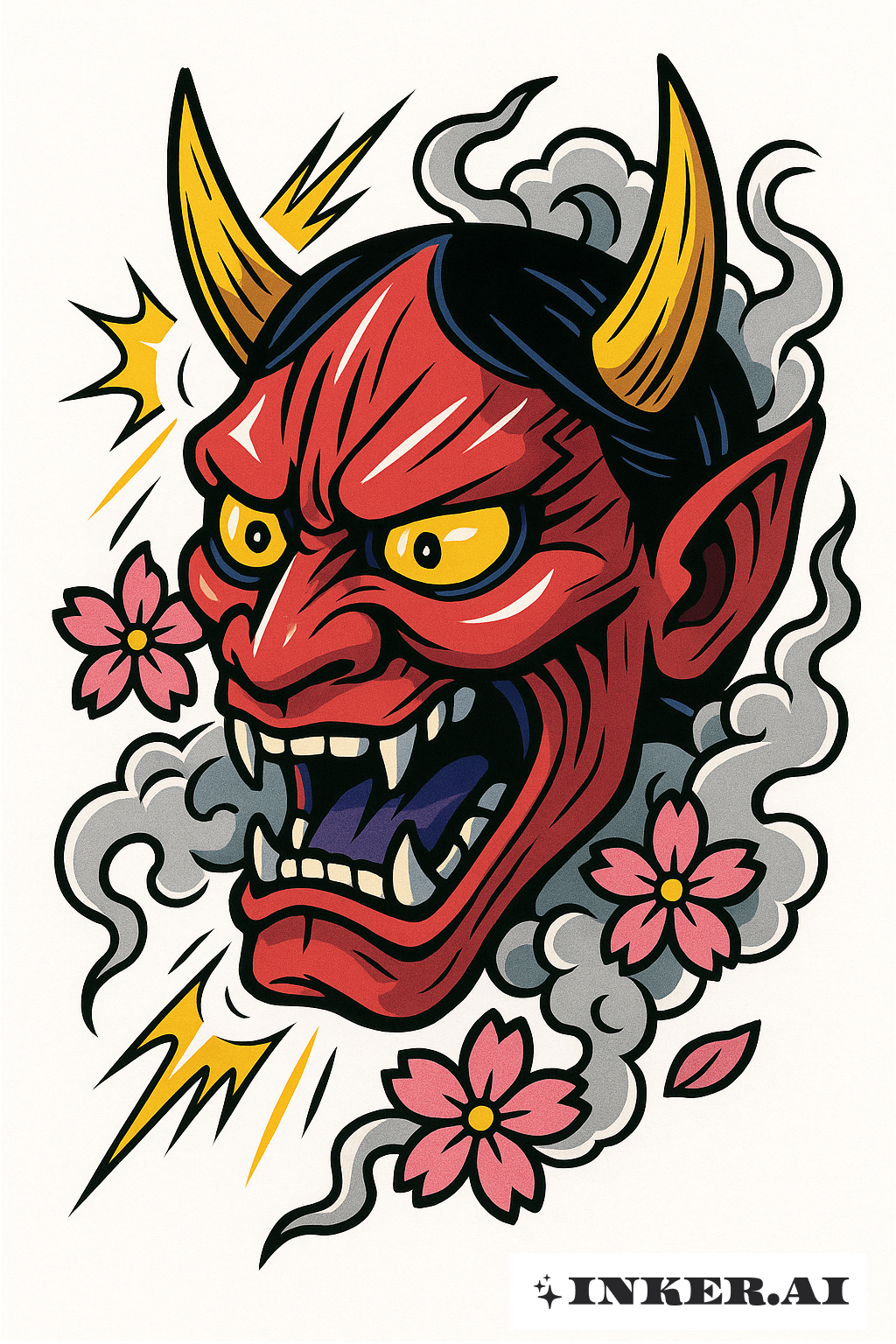
The Hannya mask traditionally embodies complex emotions—jealousy, rage, sorrow, and the painful transformation of a tormented spirit. When paired with samurai-era motifs like chrysanthemums, koi, and ocean waves, the image becomes a layered narrative about honor, struggle, and resilience. In this portrait the horned visage’s exaggerated expression speaks to inner conflict and catharsis, while the surrounding blossoms suggest impermanence and renewal. The contrast between the mask’s fury and the gentle floral elements can symbolize the tension between reputation and vulnerability, a theme often explored in gangster and outsider subcultures. Framing devices such as ropes and waves imply ties to fate and the push-pull of destiny. Rendered in an anime tattoo style, the imagery also channels contemporary visual storytelling—amplifying emotional clarity and mythic drama. For someone drawn to organized crime iconography or the romanticized outsider archetype, these motifs echo the codes of loyalty, sacrifice, and personal mythology associated with Yakuza tattoo ideas, transforming historical symbolism into a personal emblem of struggle, identity, and rebirth.
Design Inspiration Of Cel-Shaded Yakuza Hannya Portrait Tattoo Design
The piece draws inspiration from the intersection of modern illustration and traditional Japanese iconography. Influences include cel-shaded animation techniques, woodblock print composition, and theatrical Noh mask expression. The goal was to translate the raw psychological power of the Hannya into a graphic, wearable portrait—using flat color planes and deliberate linework to maintain visual impact over time. Floral and water motifs were chosen to temper the mask’s intensity and to anchor the design in a broader narrative of change, endurance, and beauty amidst conflict.