Cultural Meaning Of Detailed Aztec Sacrificial Temple Altar Tattoo Design
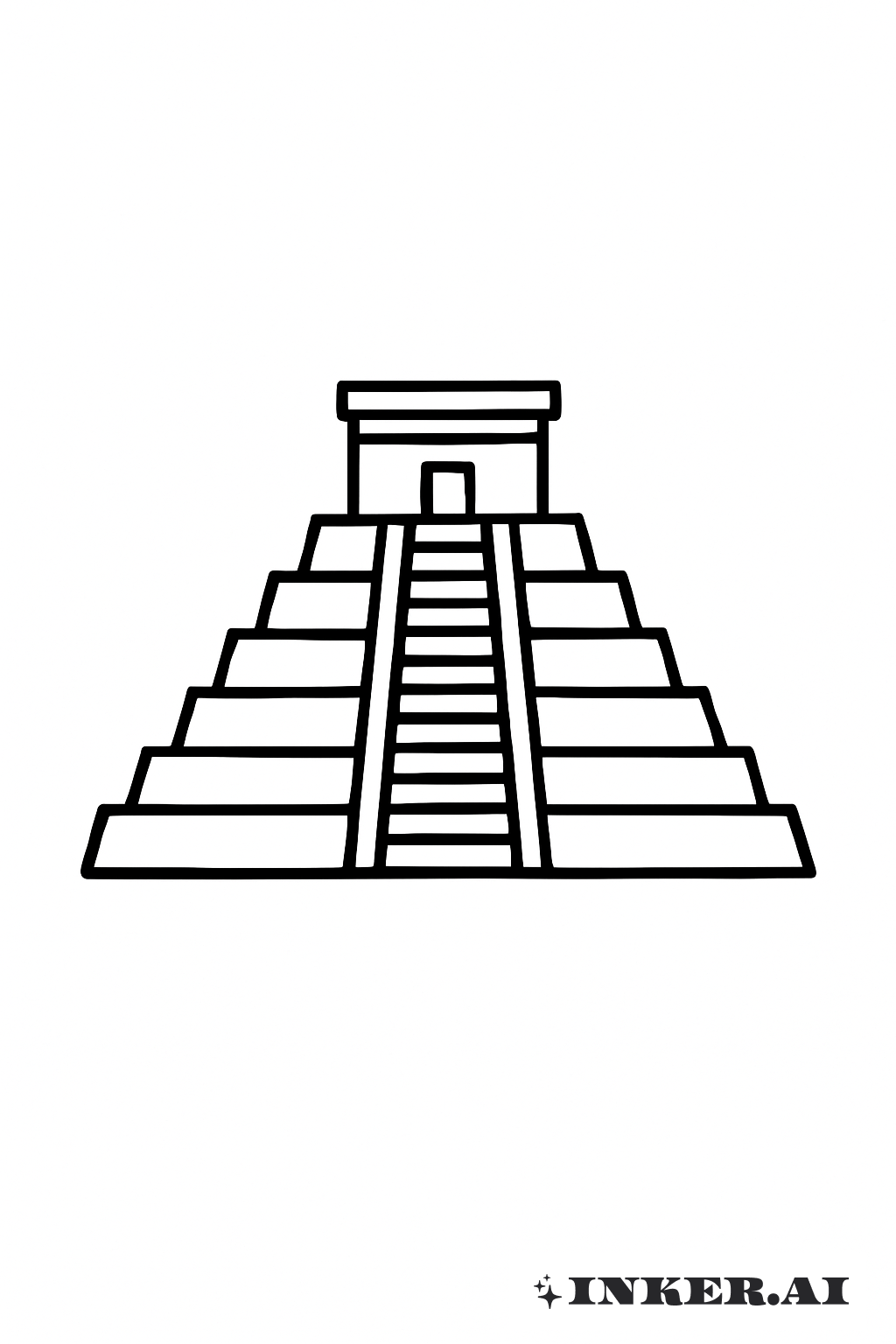
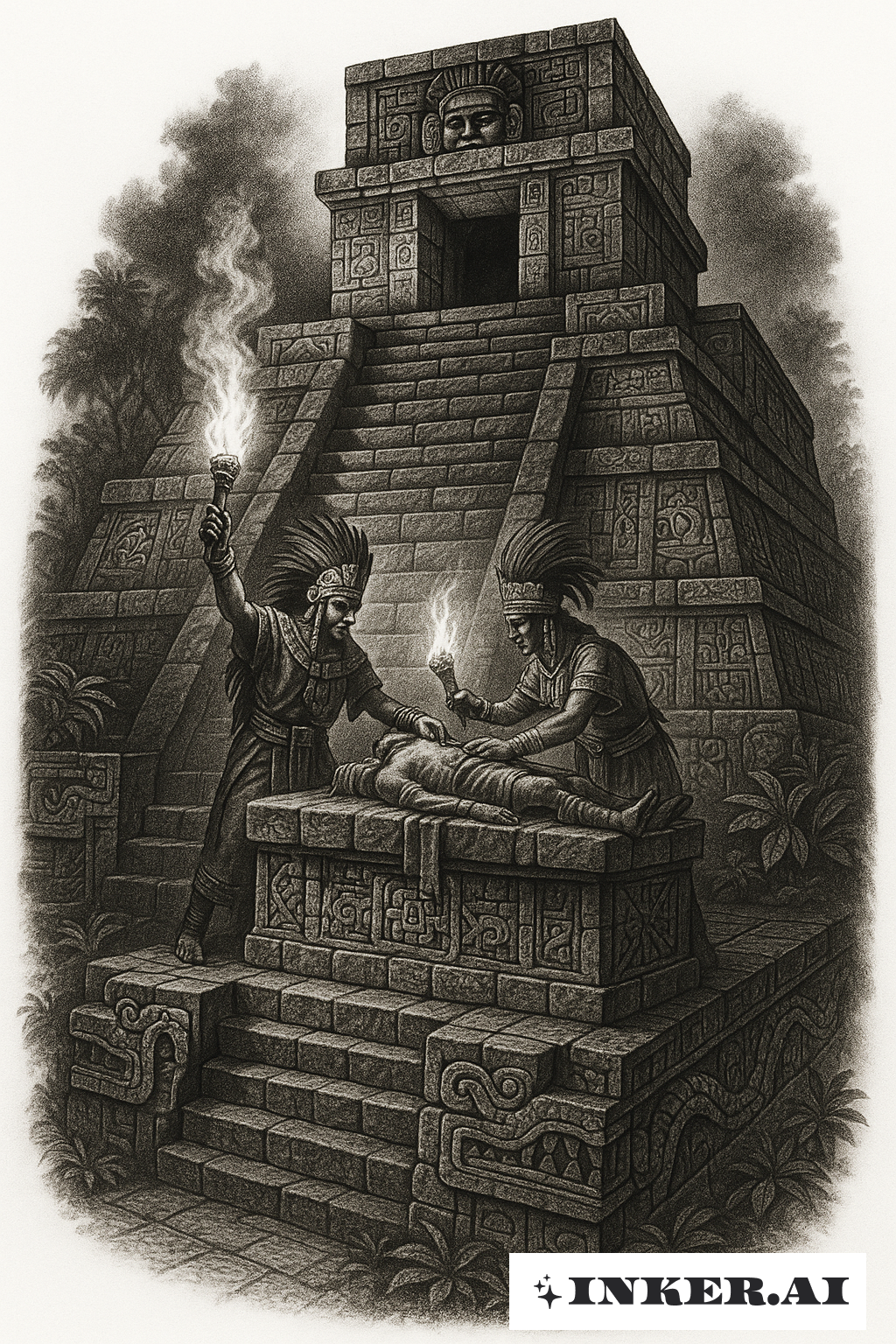
The imagery of an altar and stepped pyramid speaks to themes of transformation, cyclical time, and communal ritual in pre-Columbian life. The carved skulls and blades reference both mortality and the sacrificial acts historically tied to renewal and the sustaining of cosmic order. Patterns of glyph bands and repeating stone courses suggest lineage and continuity, while erosion and moss hint at the passage of generations. Executed with the precision of Realism tattoo style, the piece emphasizes tangible, tactile qualities—rock that feels cold, metal that gleams—so the symbolism reads as immediate and visceral rather than abstract. As Temple tattoo ideas, it communicates reverence for ancestral craft, the blending of architecture and ritual, and a personal connection to cycles of giving and renewal. Wearers may choose this imagery to honor heritage, confront mortality, or express a respect for ceremonial discipline and the mysteries of time.
Design Inspiration Of Detailed Aztec Sacrificial Temple Altar Tattoo Design
The concept draws from archaeological photography, museum reliefs, and historical illustrations of Mesoamerican ceremonial sites. Artistically, the goal was to translate carved stone and ceremonial accoutrements into ink by focusing on contrast, texture, and believable light sources. Inspiration also came from chiaroscuro studies—using deep shadows to carve form and subtle highlights to suggest polished stone and obsidian. Composition was guided by the need to read as a coherent scene on skin, so elements were arranged to create a strong central focal point while allowing decorative bands and small motifs to frame the main altar without overwhelming it.