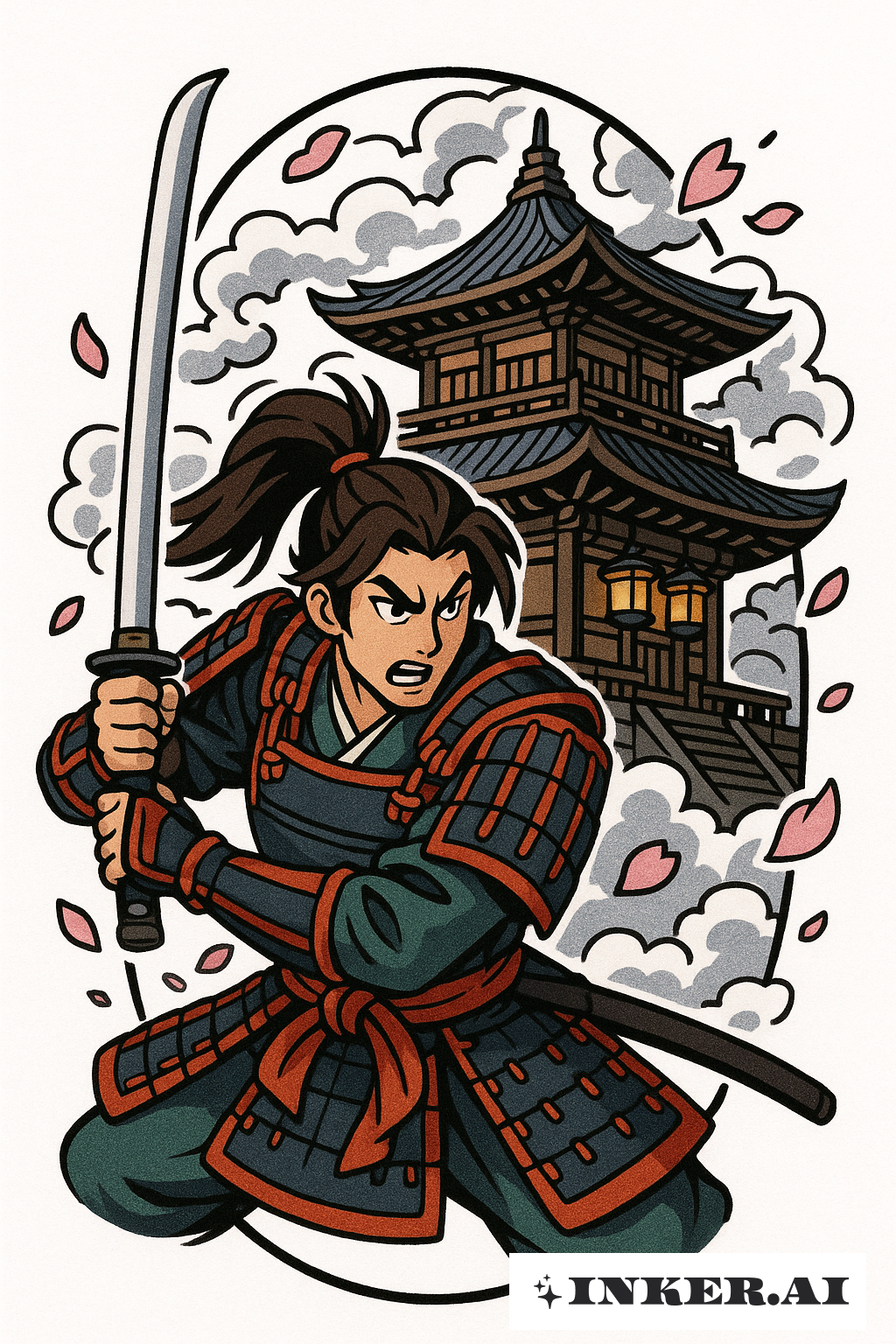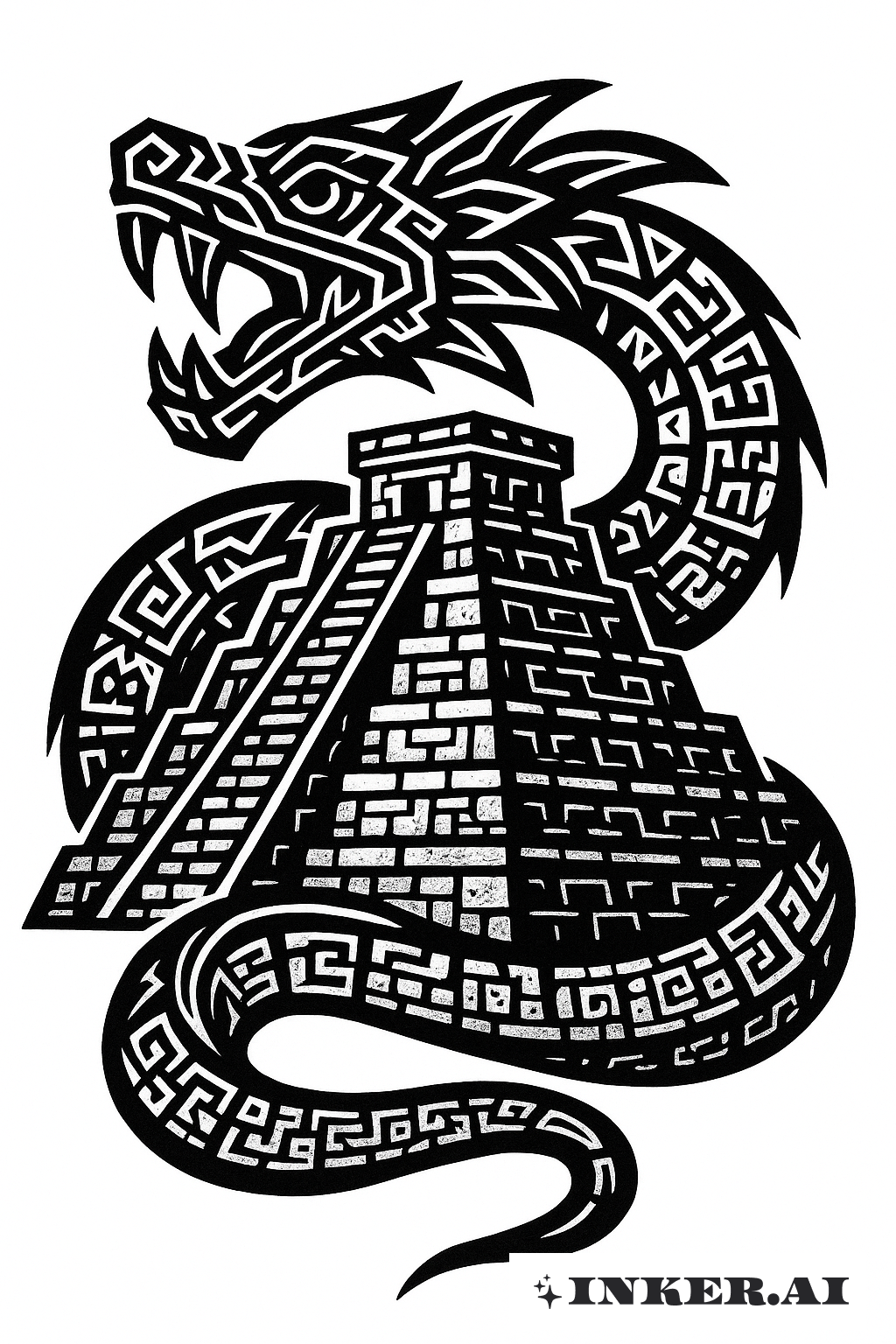
Cultural Meaning Of Aztec Serpent Temple In Tribal Lines Tattoo Design
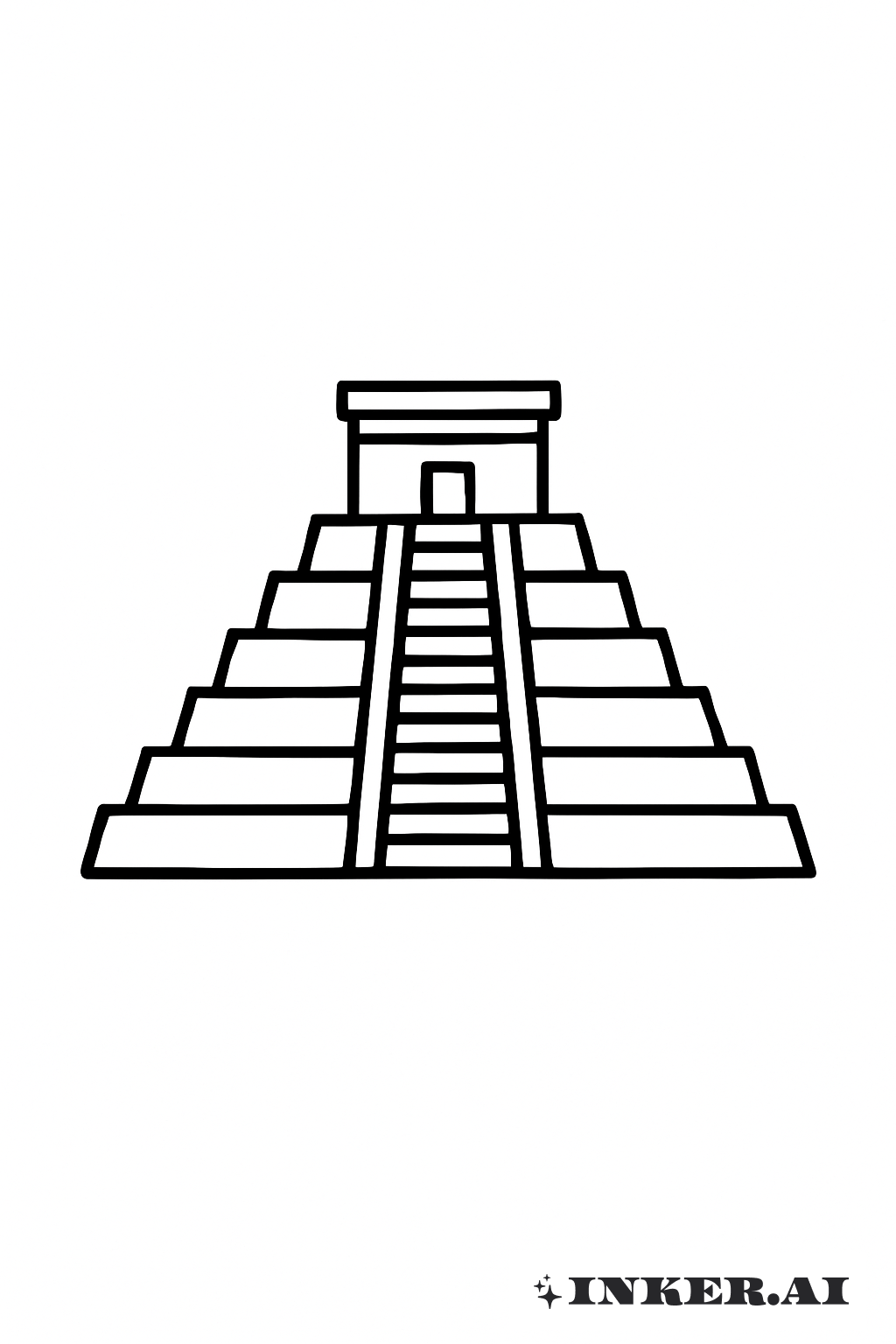
The serpent and temple create a layered image associated with transformation, protection, spiritual power, and connection to the natural world. A serpent can represent renewal because of its ability to shed its skin, while its winding form suggests energy, wisdom, guardianship, and an ongoing personal journey. The stepped temple introduces ideas of ascent, devotion, inner strength, and movement toward a higher state of awareness. Together, these elements can express a desire to protect one’s values while continuing to grow and evolve. The strong symmetry and repeated geometry may also suggest balance, order, and respect for ancestral knowledge. This Tribal tattoo style communicates those themes through bold silhouettes and rhythmic linework, giving the piece a grounded, ceremonial presence. For people exploring Temple tattoo ideas, the design can serve as a personal emblem of resilience, spiritual ambition, or reverence for ancient architectural forms. Because the imagery draws on Aztec-inspired visual language, wearers may also see it as a tribute to history, craftsmanship, and the enduring power of symbolic art. Its dark, graphic appearance makes the meaning feel direct, confident, and protective.
Design Inspiration Of Aztec Serpent Temple In Tribal Lines Tattoo Design
The concept draws inspiration from monumental Mesoamerican architecture, serpent imagery, and the visual strength of carved stone reliefs. The composition uses the temple as a stable central foundation while the serpent introduces fluid movement and organic contrast. Repeating bands, angular details, and dramatic black shapes translate the feeling of ancient architecture into a clean tattoo design. The result is a meeting point between ceremonial symbolism and modern graphic tattoo composition.