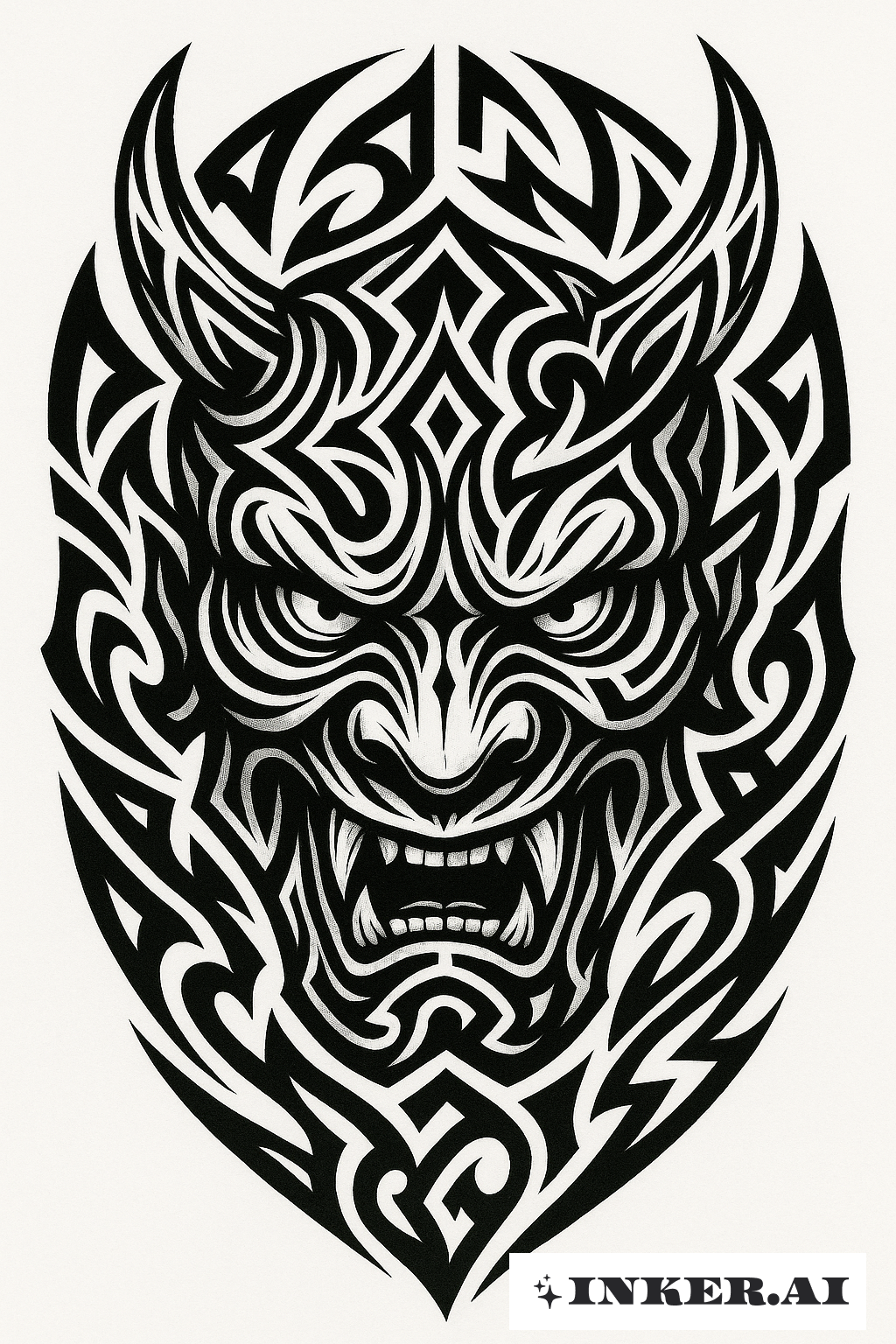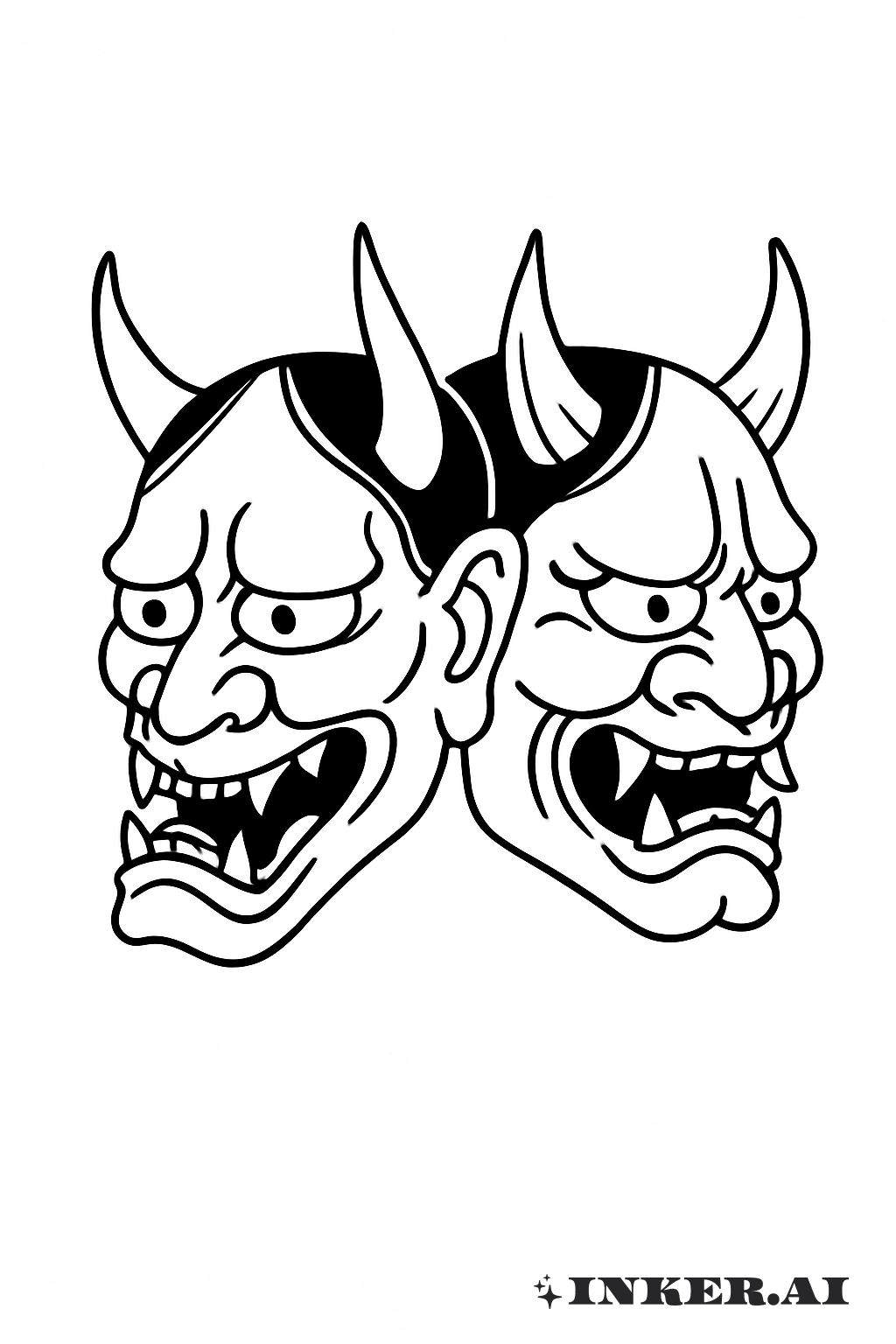
Cultural Meaning Of Hannya Versus Oni Mask Back-To-Back Tattoo Design
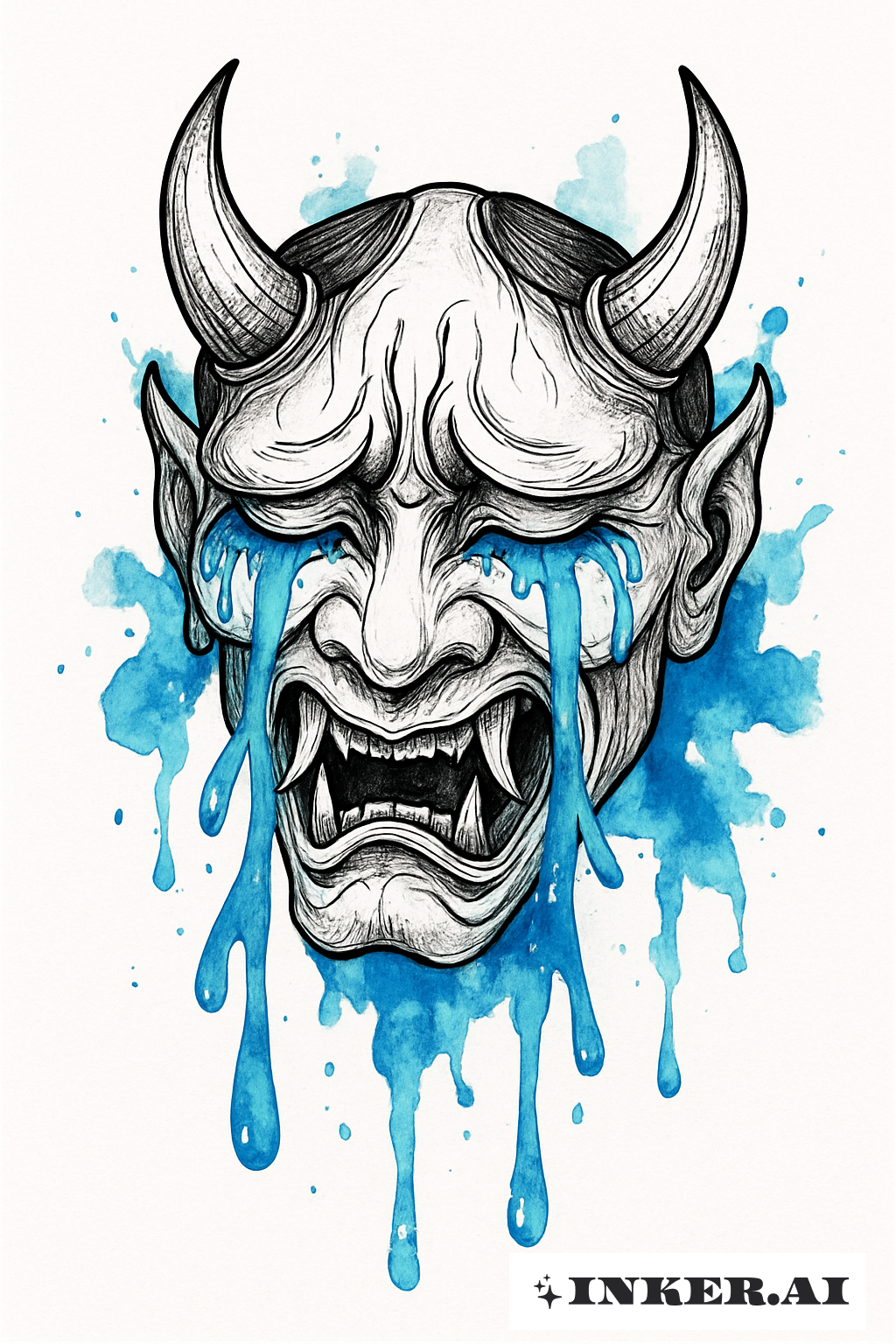
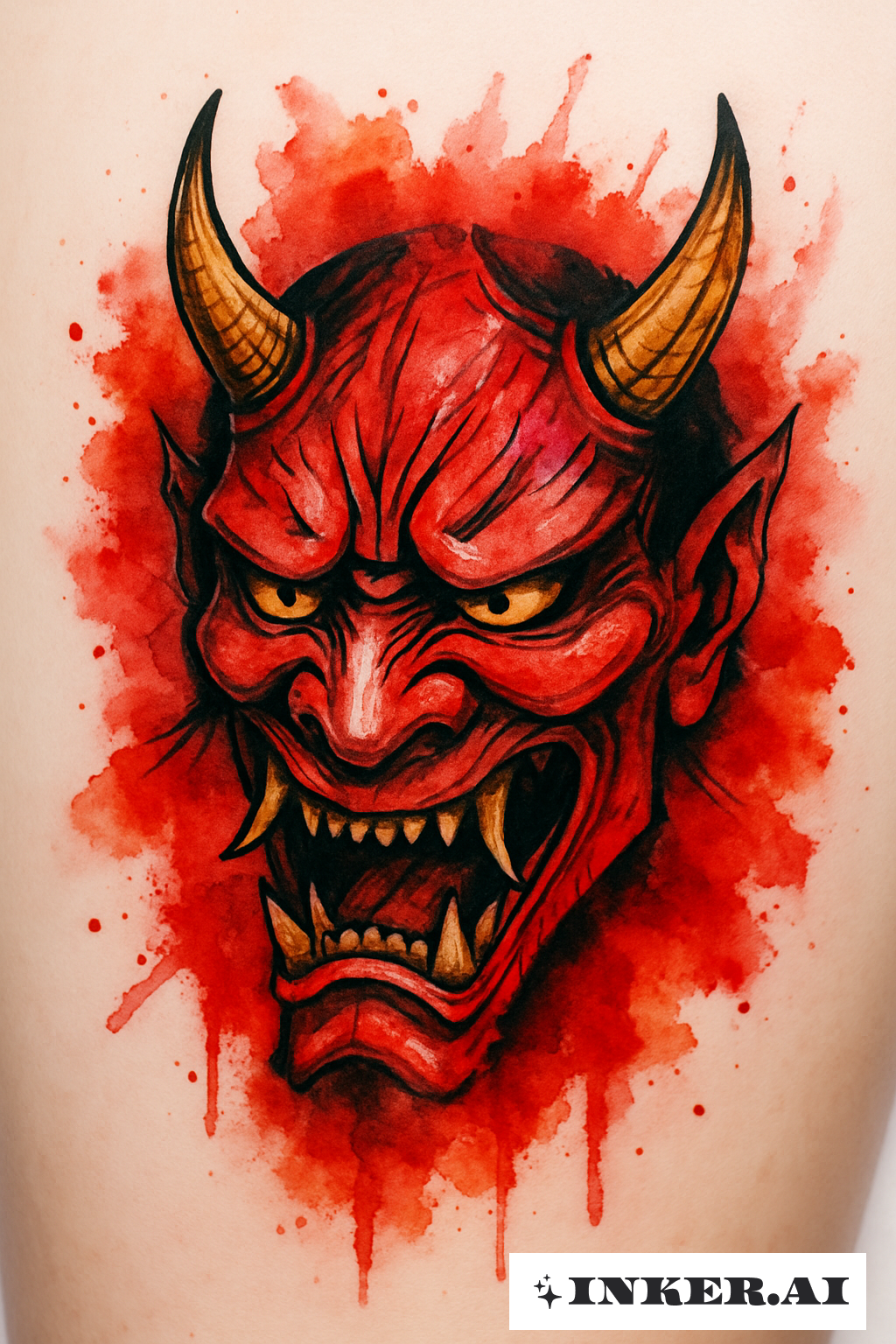
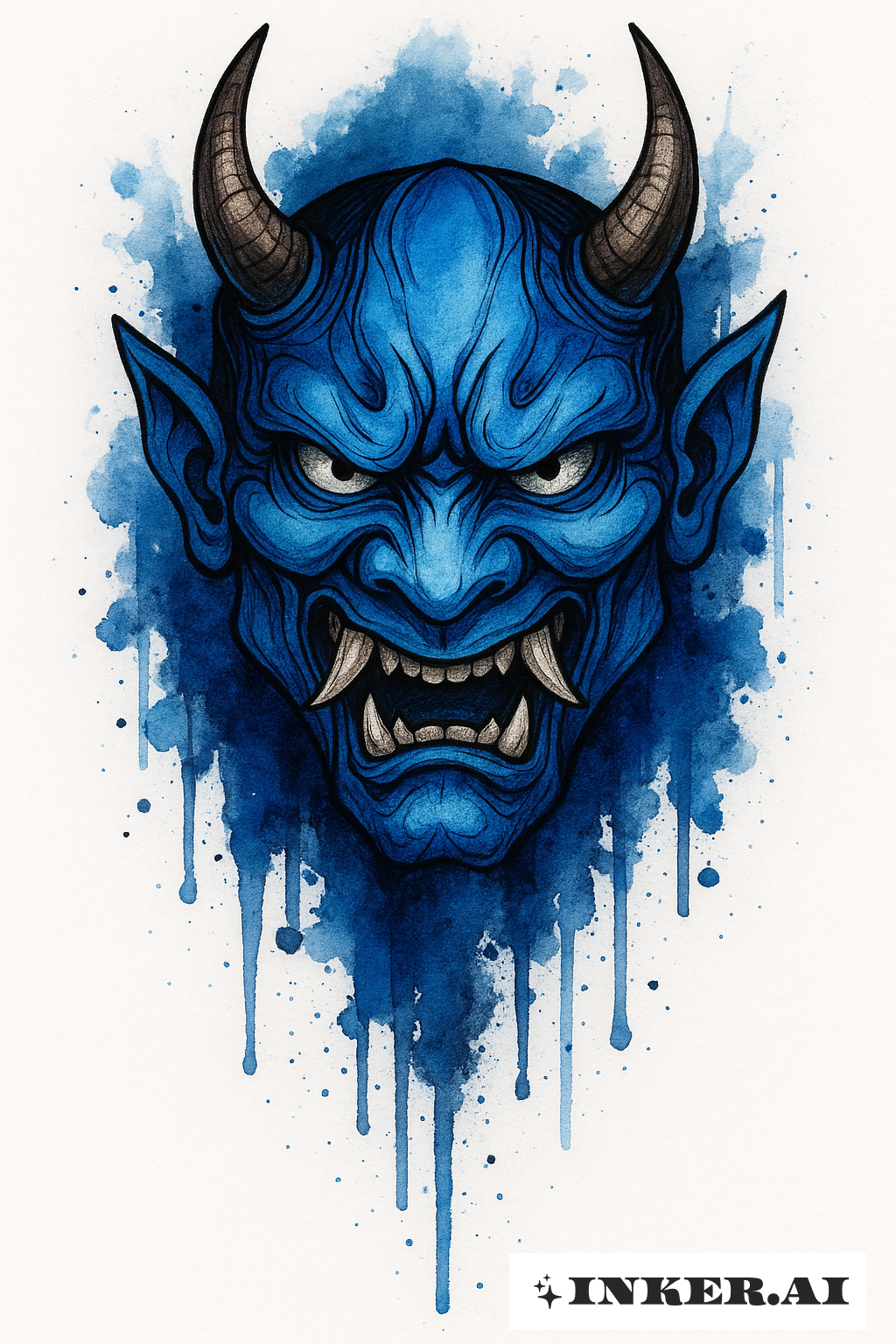
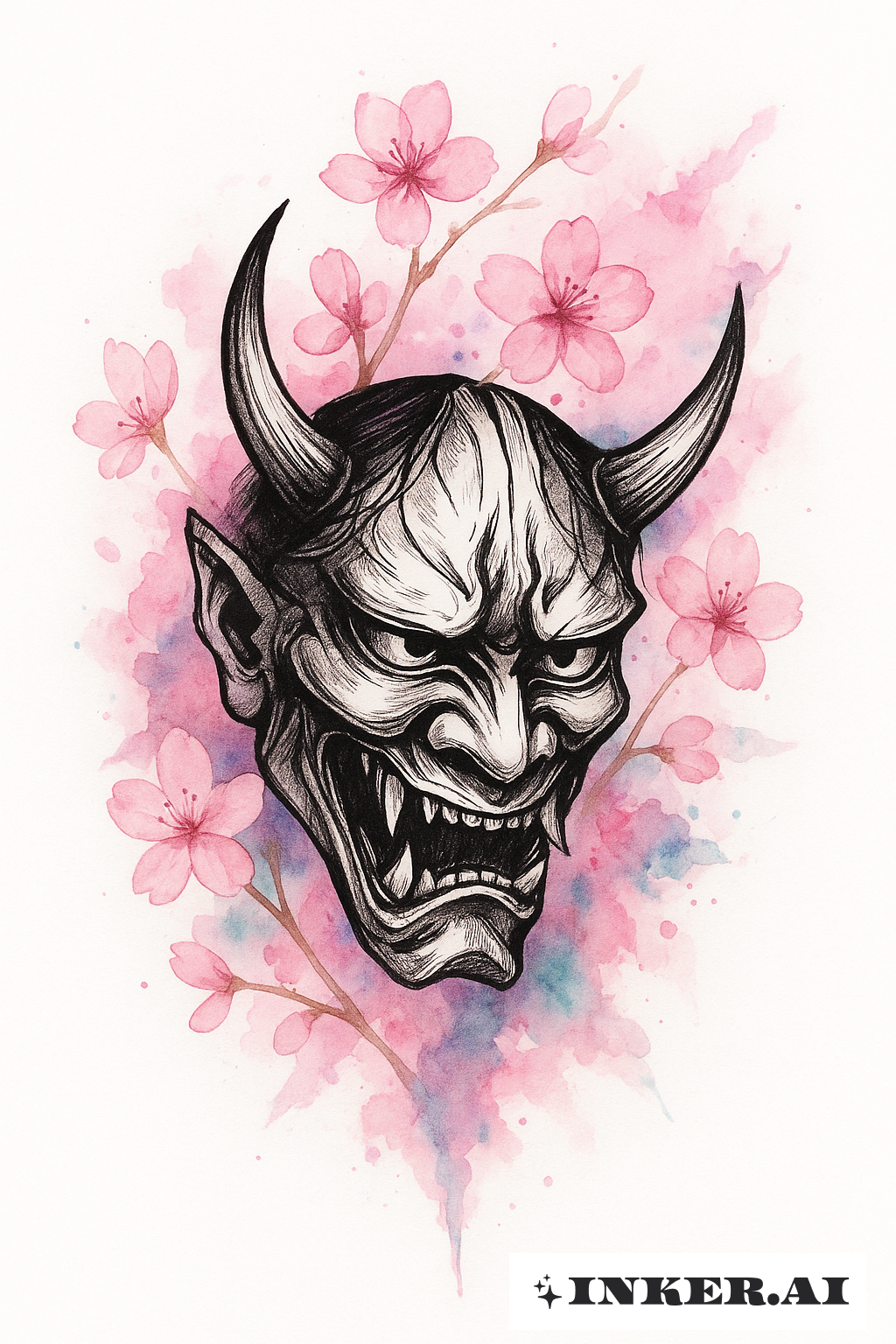
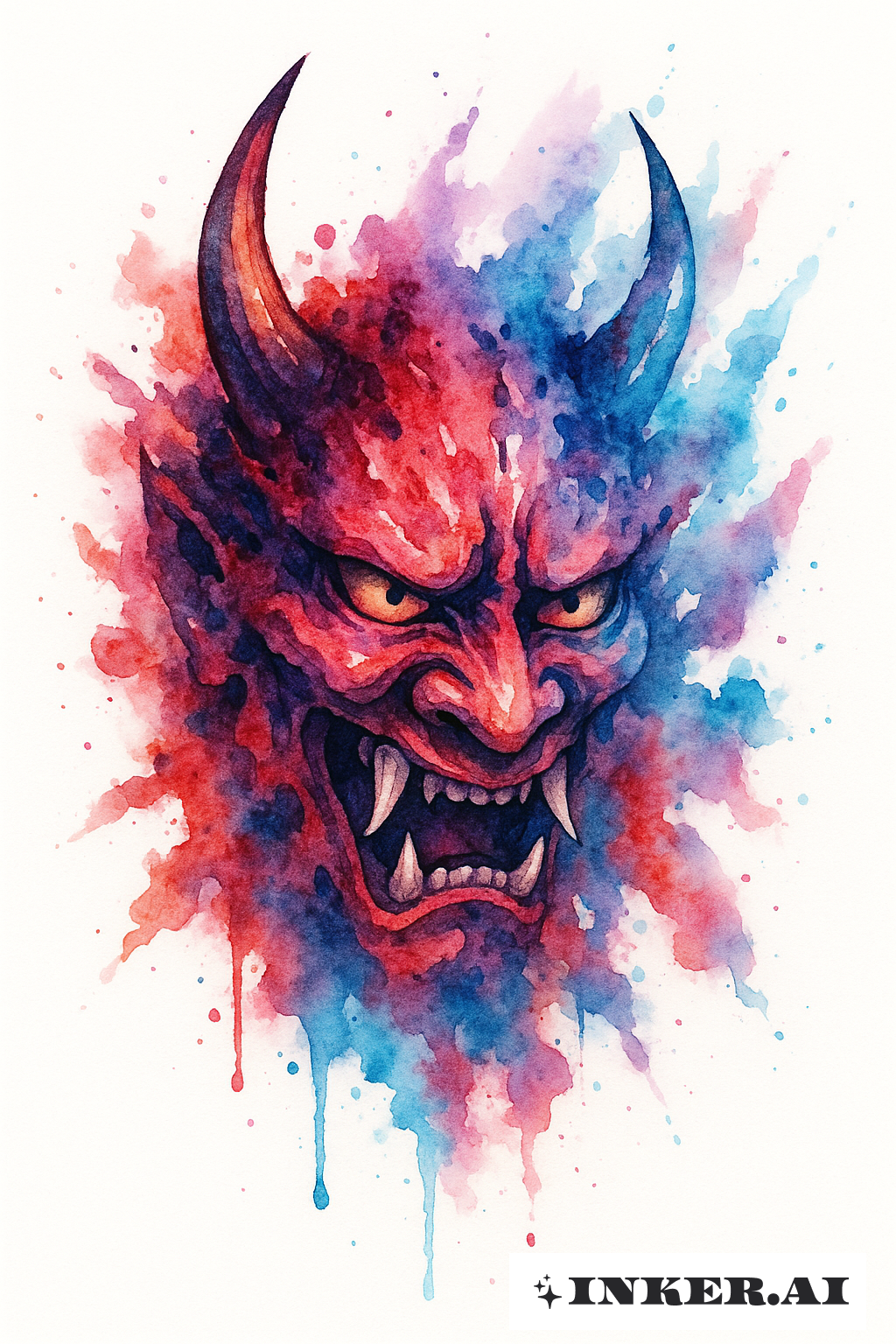
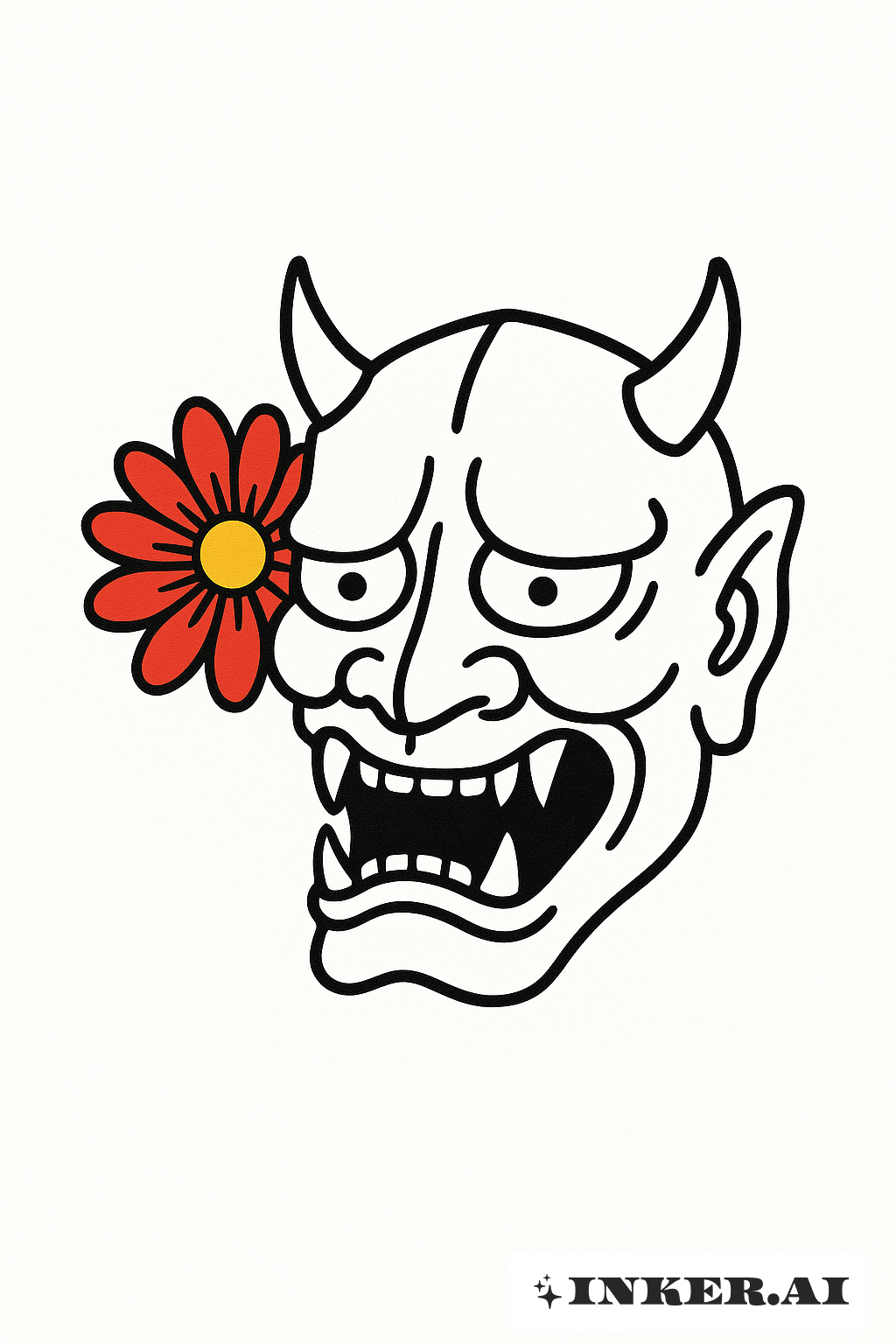
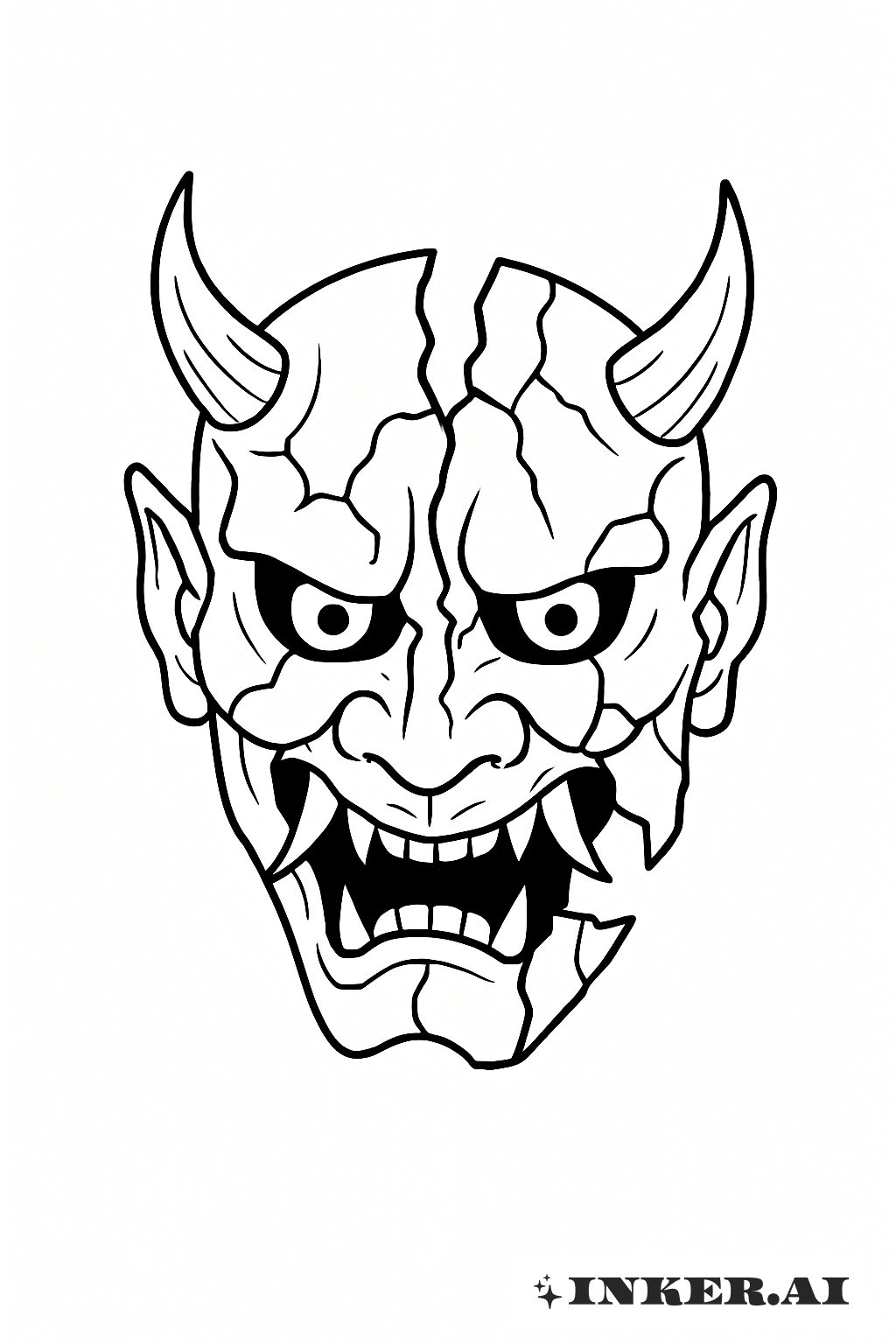
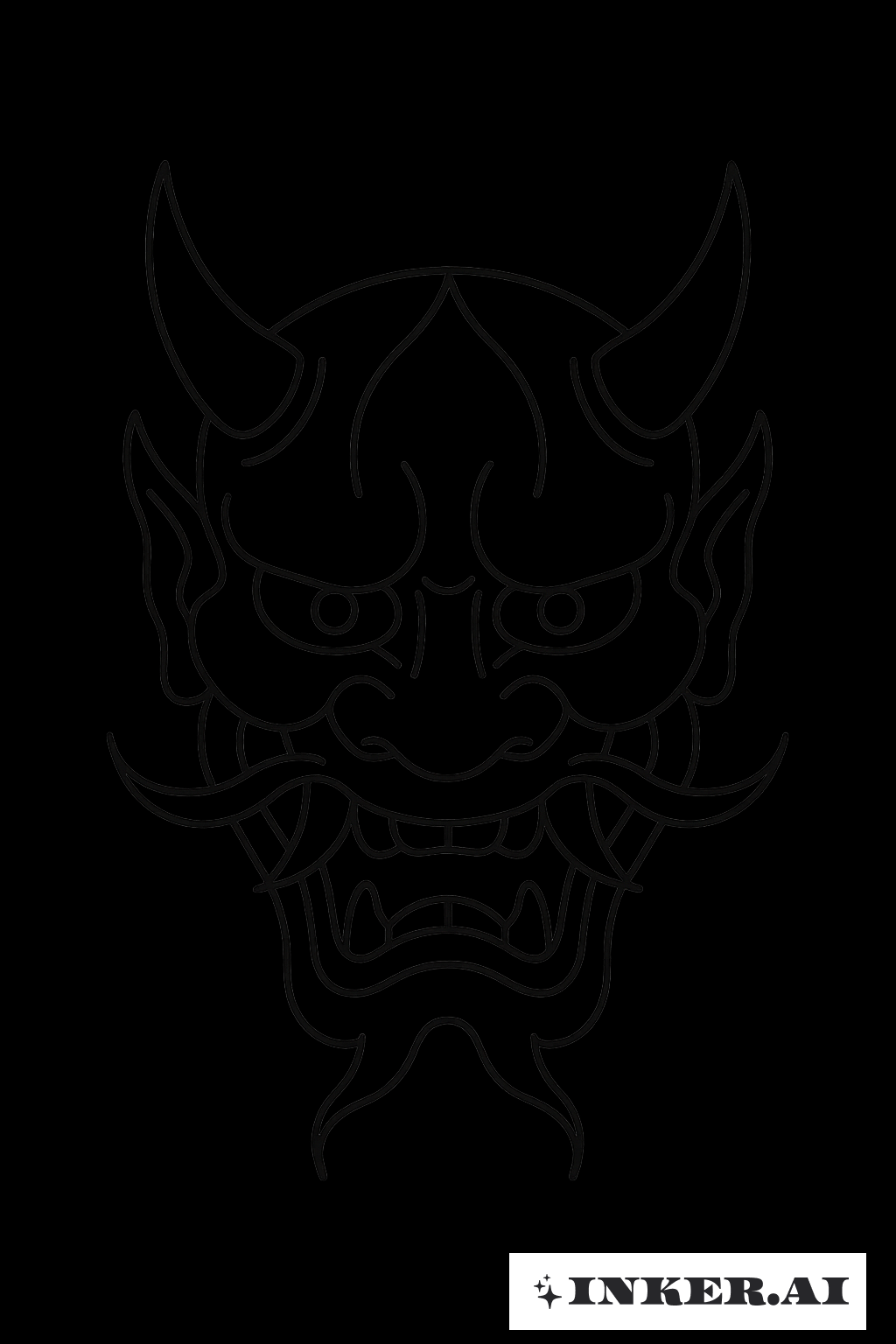
Hannya and Oni masks represent different forms of intense human and supernatural emotion within Japanese-inspired imagery. The Hannya is often associated with jealousy, heartbreak, grief, and emotional transformation, while the Oni commonly symbolizes a fierce demon, formidable obstacle, or protective force. Placing them back-to-back can suggest an internal struggle between vulnerability and aggression, pain and power, or the desire to confront one’s darker impulses. Their opposing expressions create a visual dialogue, making the tattoo feel personal as well as theatrical. The horns, teeth, and concentrated eyes reinforce themes of strength, vigilance, and emotional endurance. Some wearers may also interpret the masks as guardians that repel negative energy and stand watch over the wearer’s path. In Basic tattoo style, the symbolism remains direct because the bold facial features and uncluttered composition make each expression immediately clear. For those exploring Oni Mask tattoo ideas, this paired design can represent duality, resilience, self-protection, and the acceptance of complicated emotions without reducing them to simple good or evil.
Design Inspiration Of Hannya Versus Oni Mask Back-To-Back Tattoo Design
The concept draws from the dramatic visual language of Japanese theater, folklore, and traditional mask art. Its creative power comes from pairing two instantly recognizable faces and turning their opposing expressions into a single unified composition. The back-to-back arrangement suggests tension, balance, and two forces existing within the same identity. Strong contours, expressive eyes, horns, and teeth provide the graphic impact, while selective shading gives the masks a carved, dimensional presence. The design is inspired by the idea that emotional complexity can be communicated through posture, symmetry, and facial expression alone.