Cultural Meaning Of Hannya Mask's Reminder Memento Mori Tattoo Design
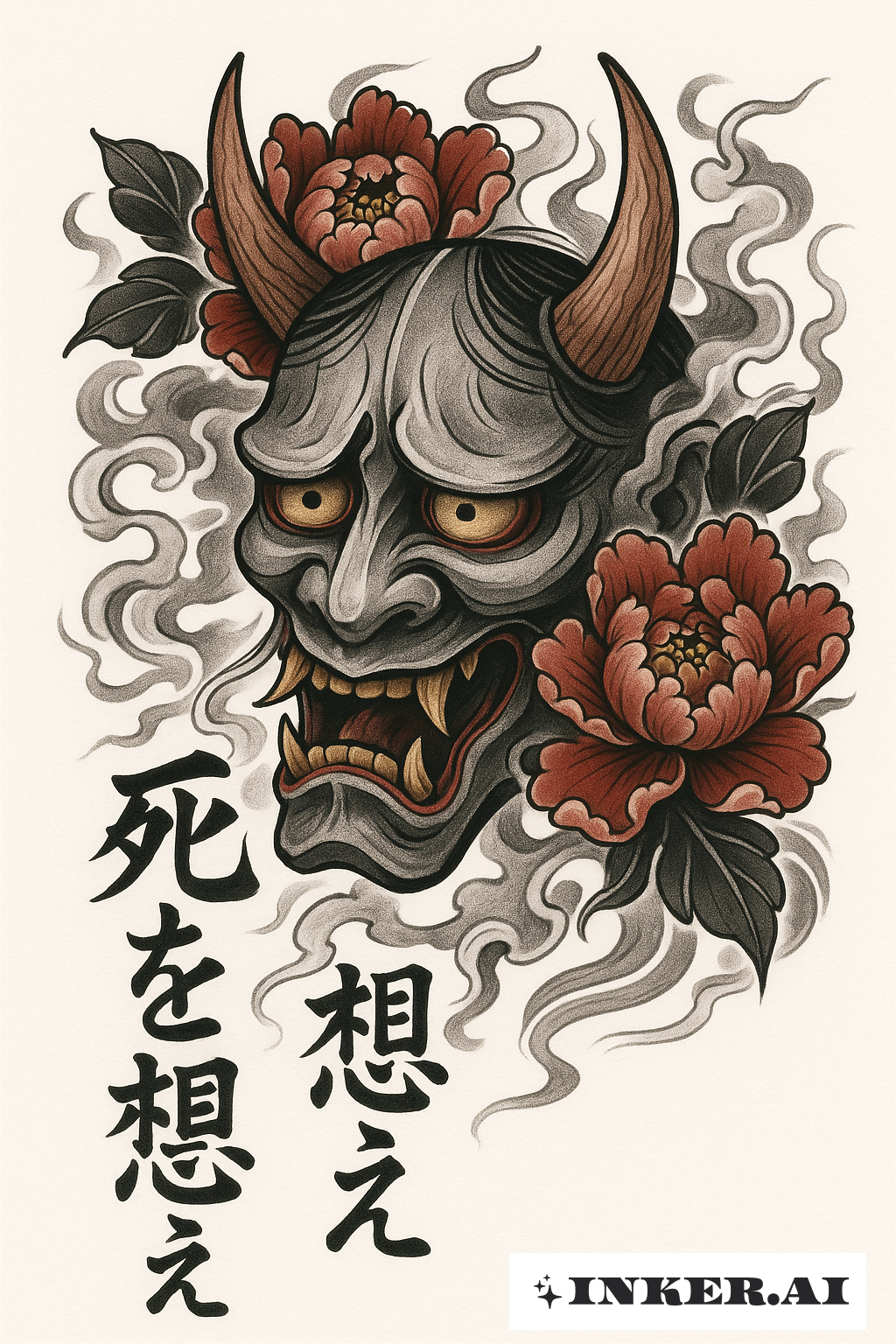
Visually, the Hannya’s furious expression paired with exposed bone speaks to transformation: human emotion hardened into mythic form, then humbled by mortality. The Hannya has long represented jealousy, rage and the tragic consequences of human passion; paired with a skull it becomes an explicit reminder that even demonic pride succumbs to death. Floral motifs—especially chrysanthemums in Japanese imagery—often signify the cycle of life and beauty that persists amid decay. The swirling smoke and wind bars suggest impermanence and motion, reinforcing ephemeral existence. In this way the piece operates on two cultural registers at once, blending theatrical Noh symbolism with direct mortality iconography. The design consciously blends ancestral motifs and contemporary realism, nodding to Japanese tattoo style while also functioning as a personal elegy. For those seeking a contemplative emblem, it crystallizes the Memento Mori tattoo ideas of confronting mortality with courage and artistic dignity.
Design Inspiration Of Hannya Mask's Reminder Memento Mori Tattoo Design
This tattoo draws inspiration from traditional Noh theater and classical memento mori art, merging them into a single emblem that reads like a myth caught between life and death. The Hannya mask provides theatrical drama and emotional intensity, while the skull and wilting florals ground the image in philosophical reflection. The contrast between polished mask and raw bone informed decisions about texture and shading: glossy highlights for lacquered surfaces, matte stippling for bone. Compositionally, the hairline of the mask and the curve of the horns suggested natural wrap placements, inspiring the sweeping florals and smoke to create movement and balance. The goal was to craft a design that feels both like an heirloom crest and a private reminder—beautiful, unsettling and quietly instructive.