Cultural Meaning Of Hannya Mask Adorned With Lavender Tattoo Design
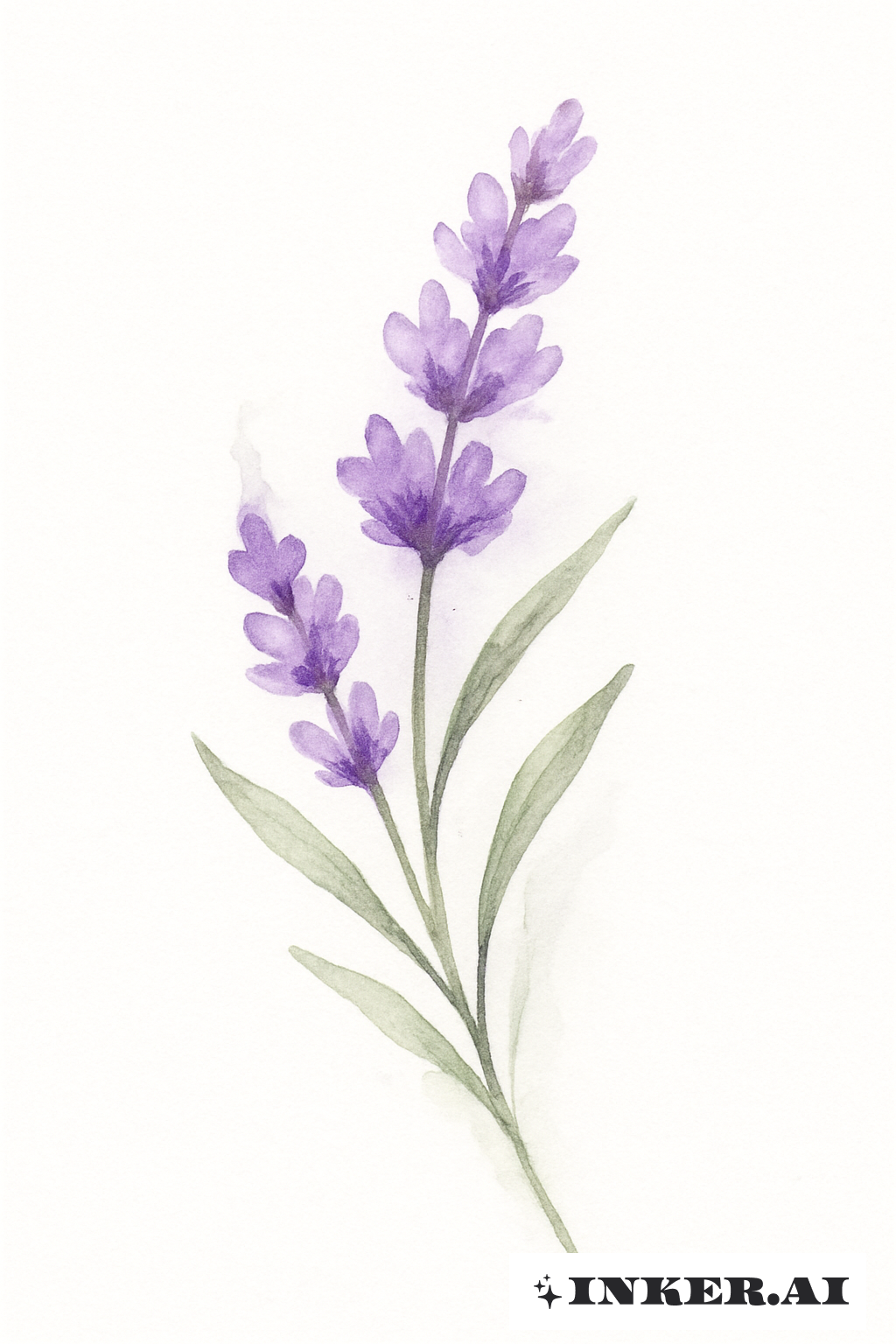
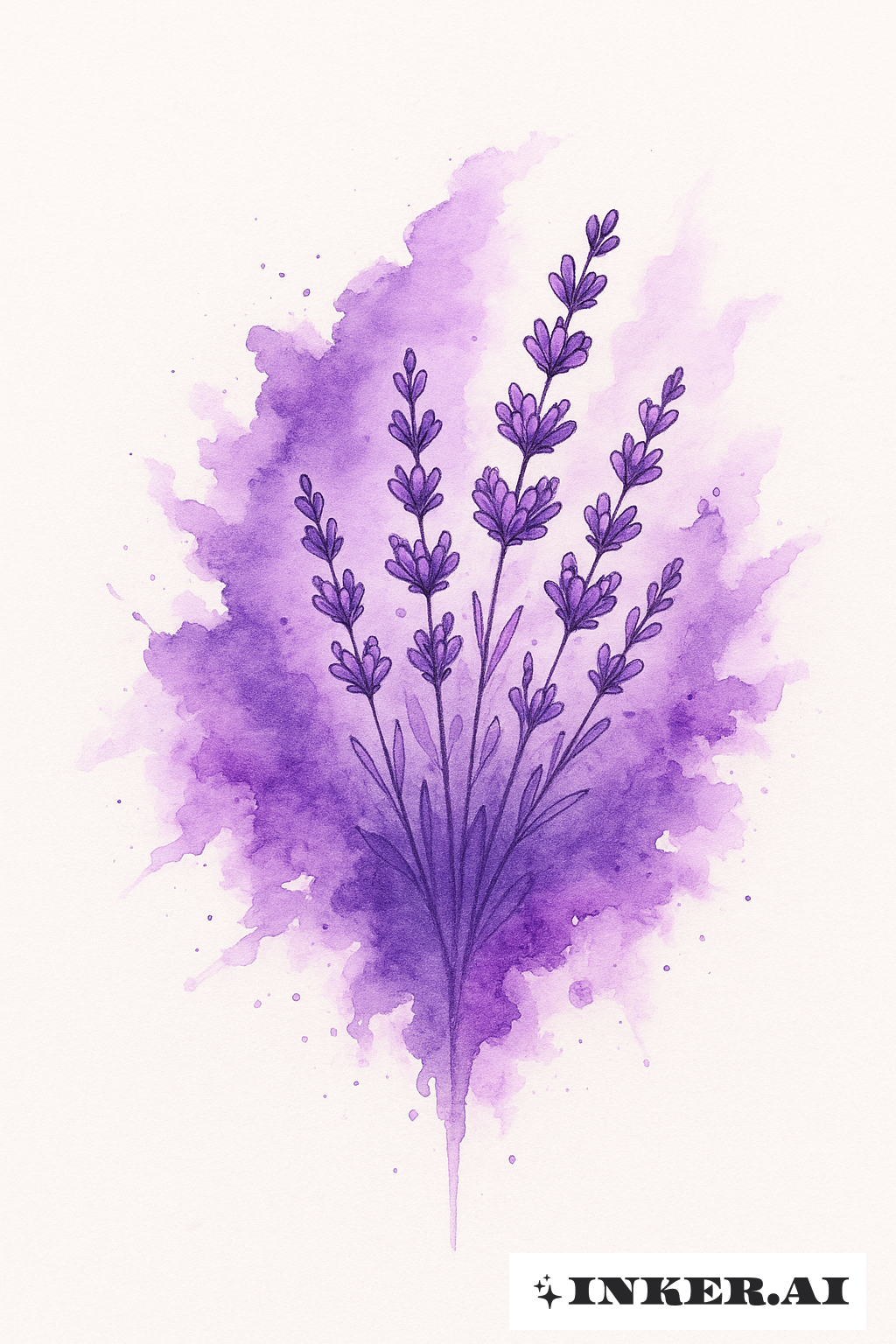
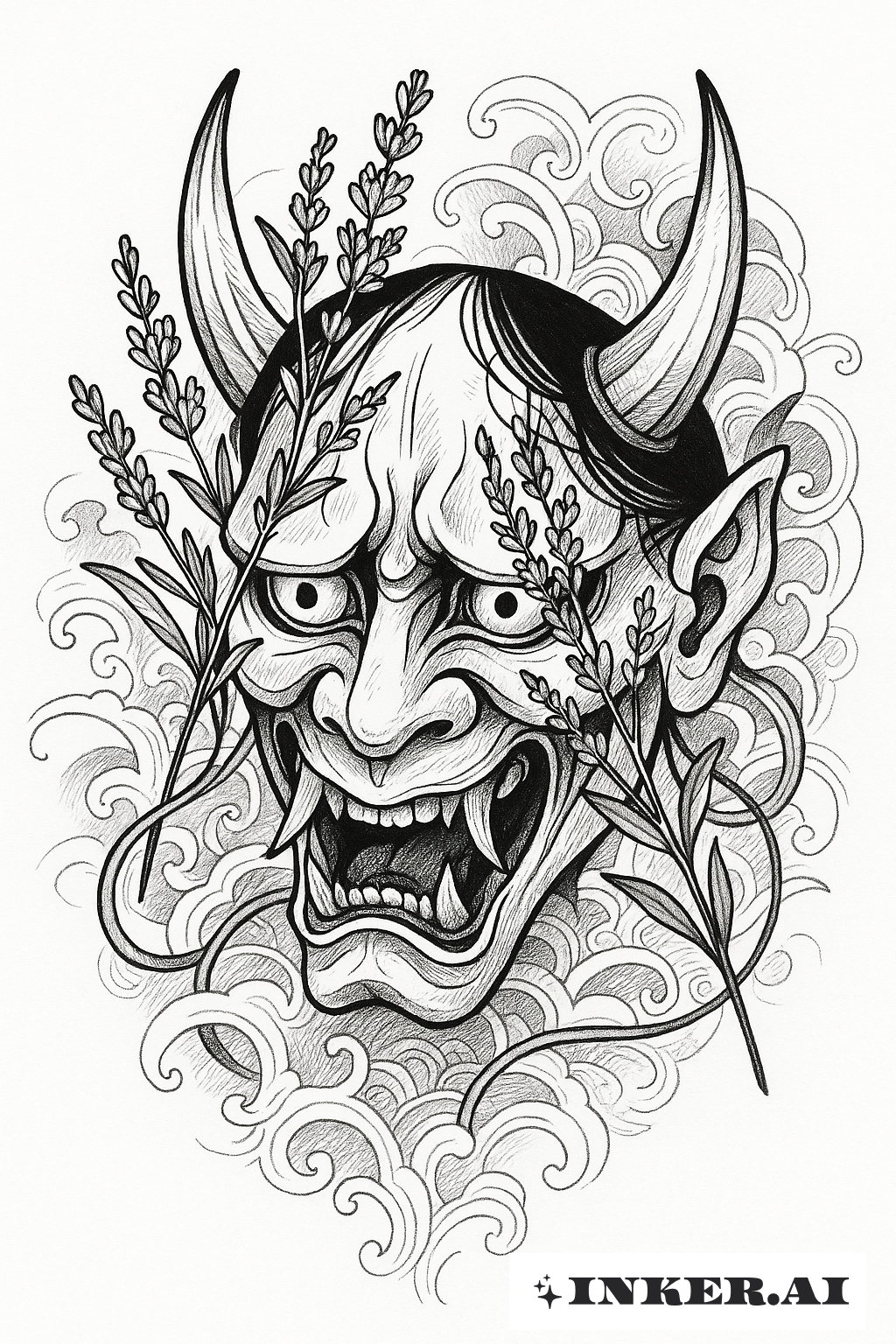
The Hannya mask is a well-known figure in Japanese Noh theater, traditionally representing a woman transformed by intense jealousy, grief, and emotional suffering. Its frightening expression carries a duality: viewed from one angle, the mask appears furious, while from another, it can suggest sorrow and vulnerability. As a tattoo, it may symbolize the experience of confronting difficult emotions, surviving betrayal, or transforming pain into personal strength. Lavender adds a gentler layer of meaning. Its blossoms are commonly associated with calm, healing, devotion, grace, and emotional restoration. Placed beside the mask, the flowers soften its aggression and suggest balance between passion and peace, anger and acceptance, or darkness and renewal. This Japanese tattoo style therefore presents the Hannya not simply as a symbol of fear, but as an emblem of emotional complexity and resilience. Lavender tattoo ideas can be especially meaningful for someone who wants to honor healing while acknowledging the intensity of their past experiences. Together, the mask and flowers create a visual statement about turning inner turmoil into beauty, maintaining composure through hardship, and finding tenderness without denying strength.
Design Inspiration Of Hannya Mask Adorned With Lavender Tattoo Design
The concept draws inspiration from the dramatic visual language of Japanese Noh theater, where a single mask can express an entire spectrum of human emotion. Its sculptural contours and fierce gaze provide a powerful foundation, while lavender introduces an airy botanical rhythm through fine stems and clustered blooms. The contrast between the mask’s severe geometry and the flowers’ delicate shapes creates a poetic tension. The design is inspired by the idea that beauty can grow beside pain, transforming a traditionally ominous image into a composition that feels elegant, reflective, and emotionally layered.