Cultural Meaning Of Japanese Hō-ō Bird's Divine Feather Tattoo Design
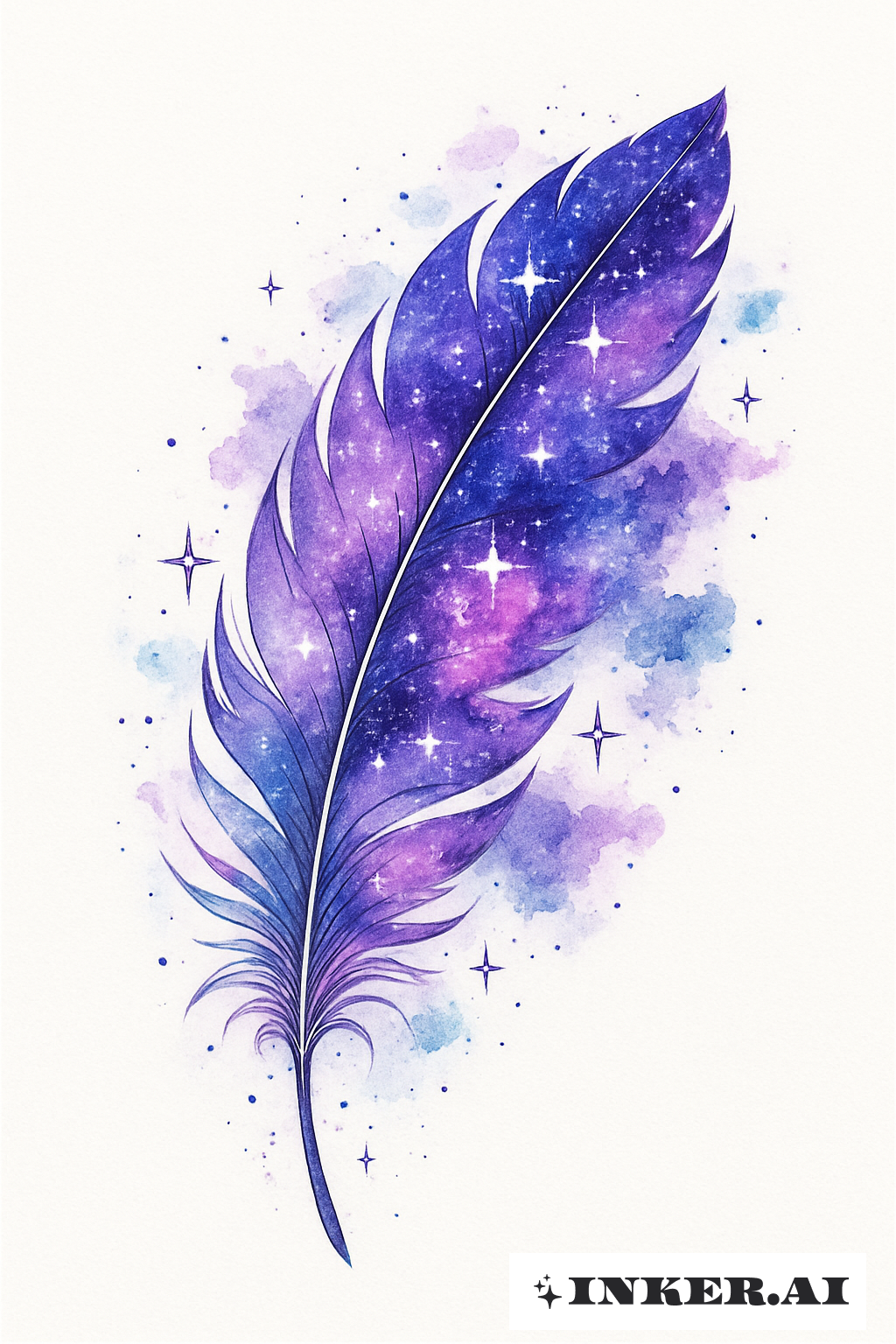
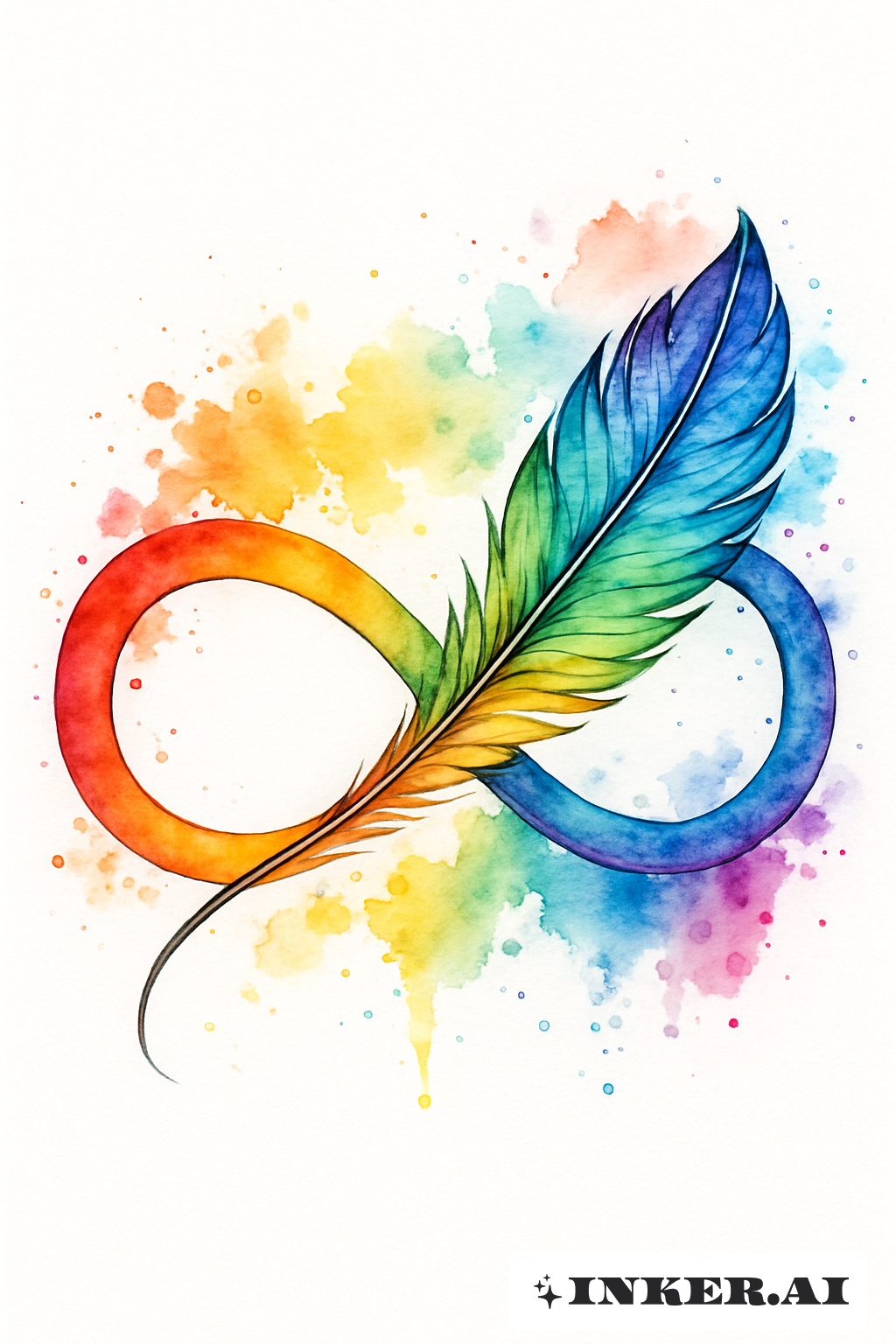
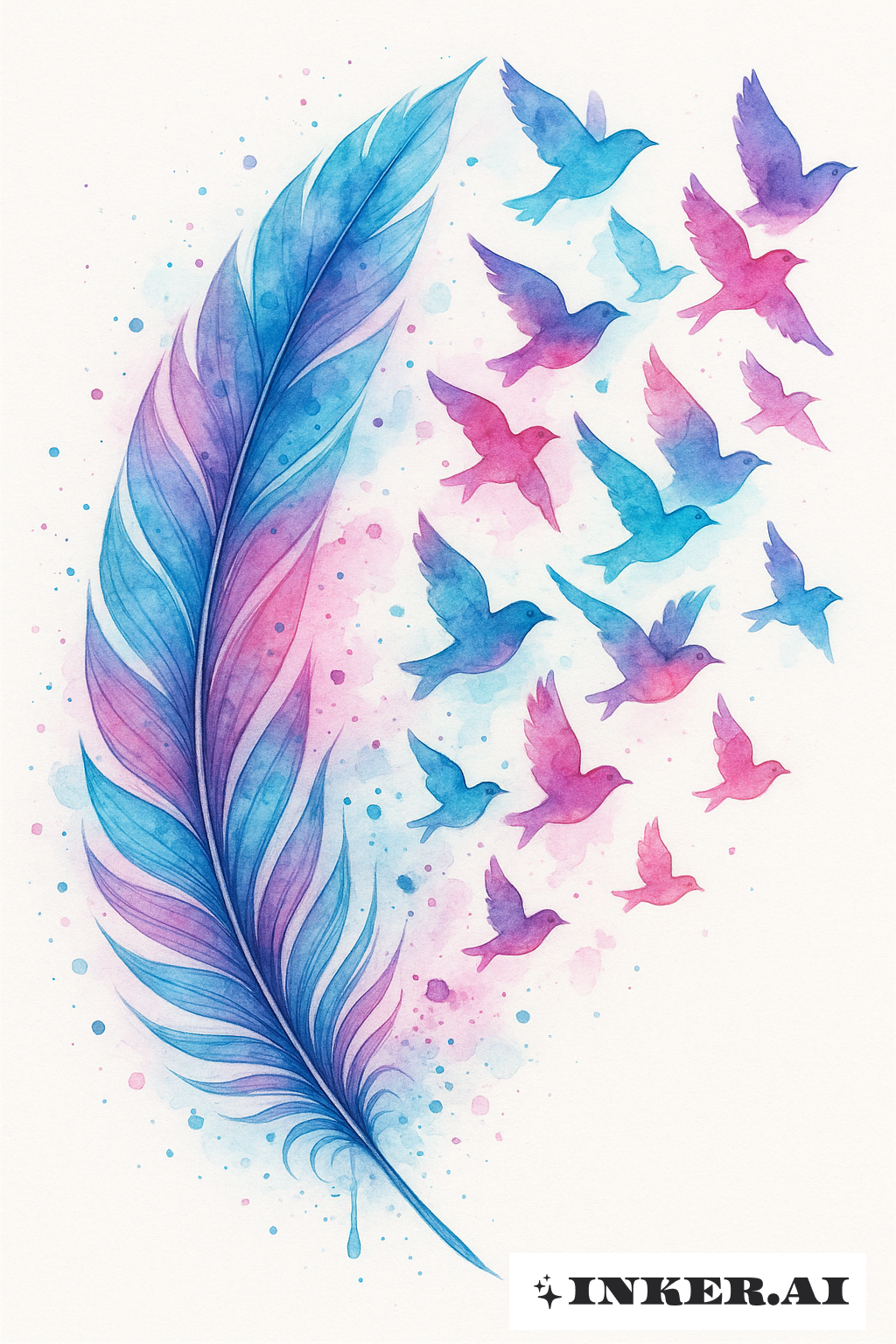
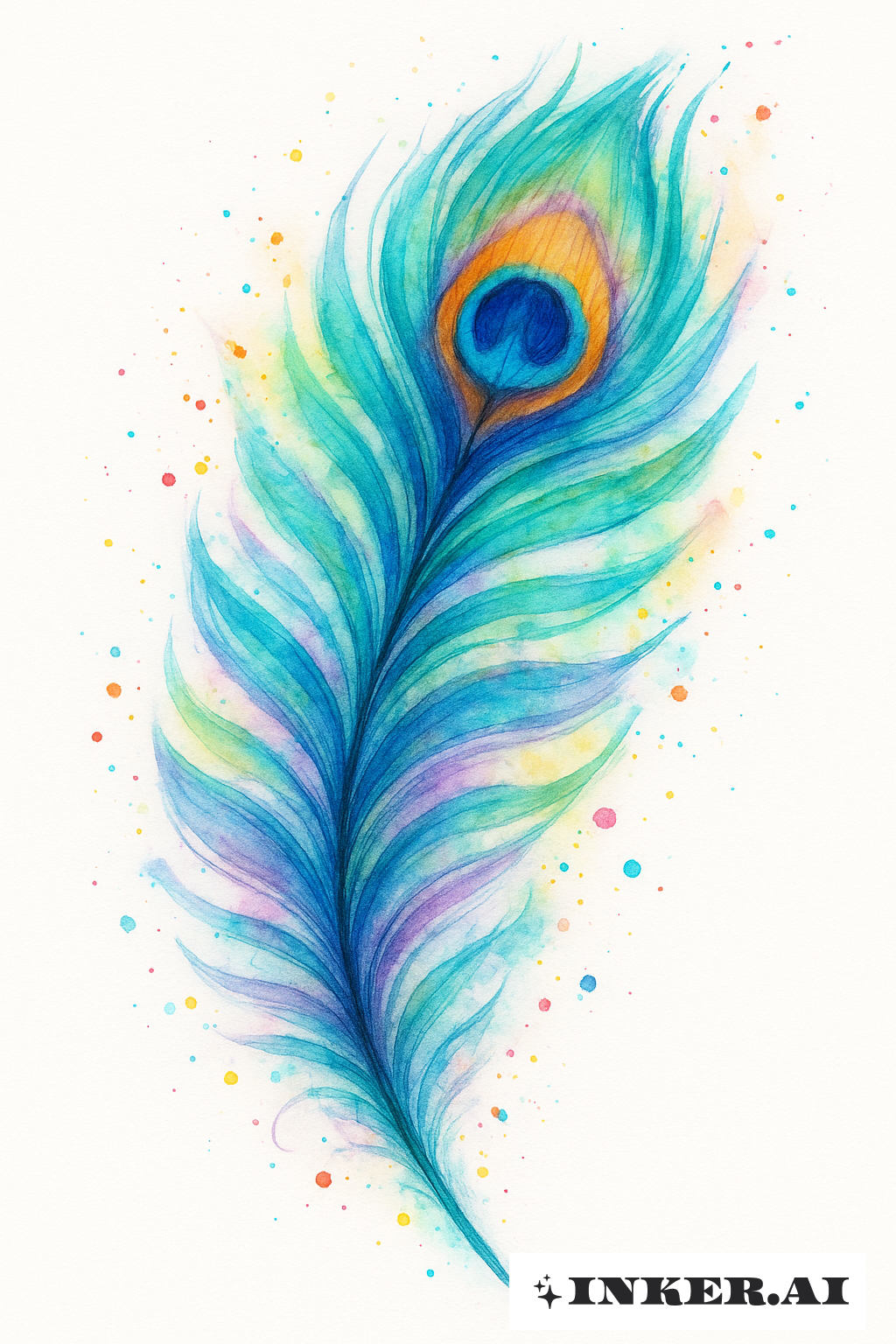
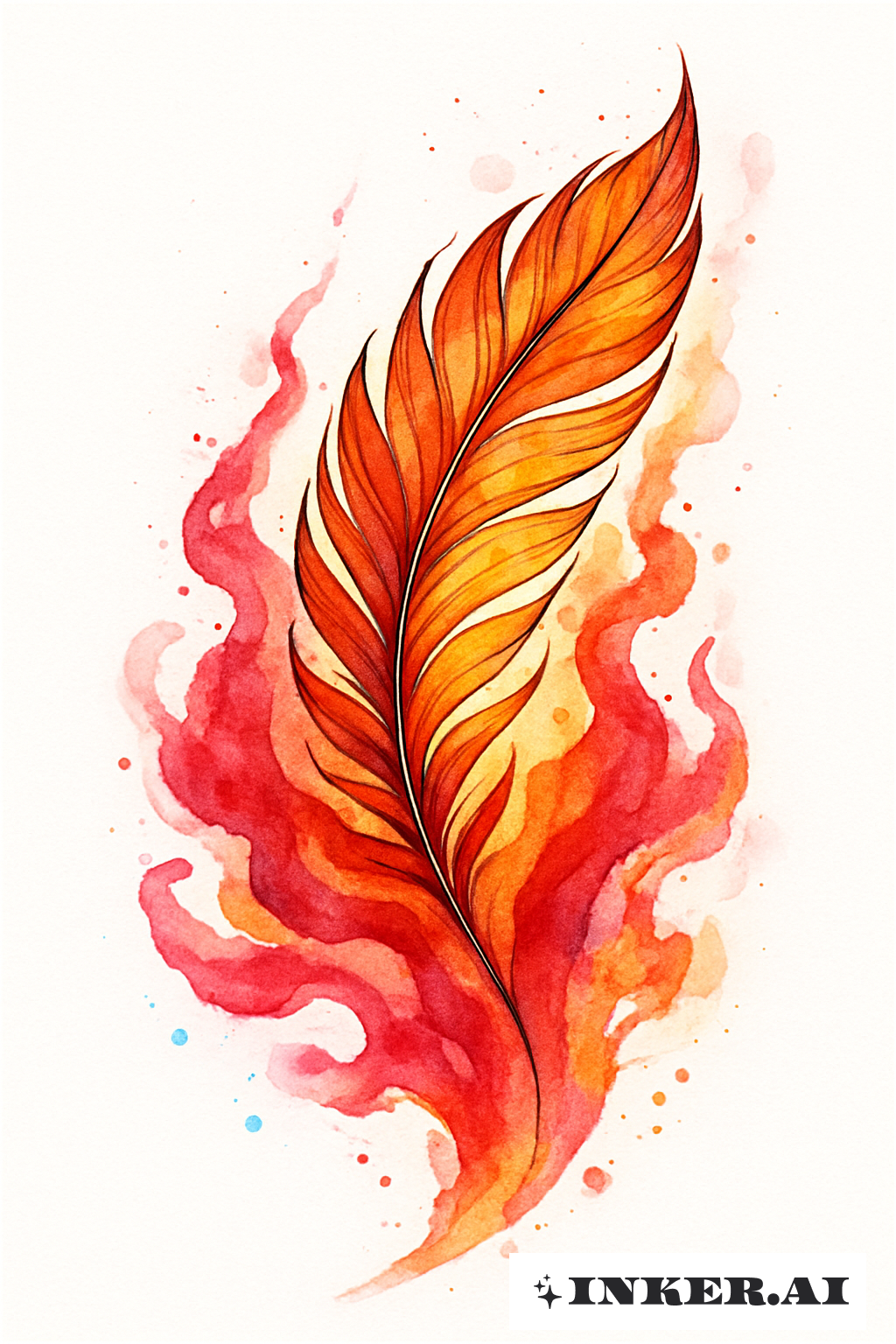
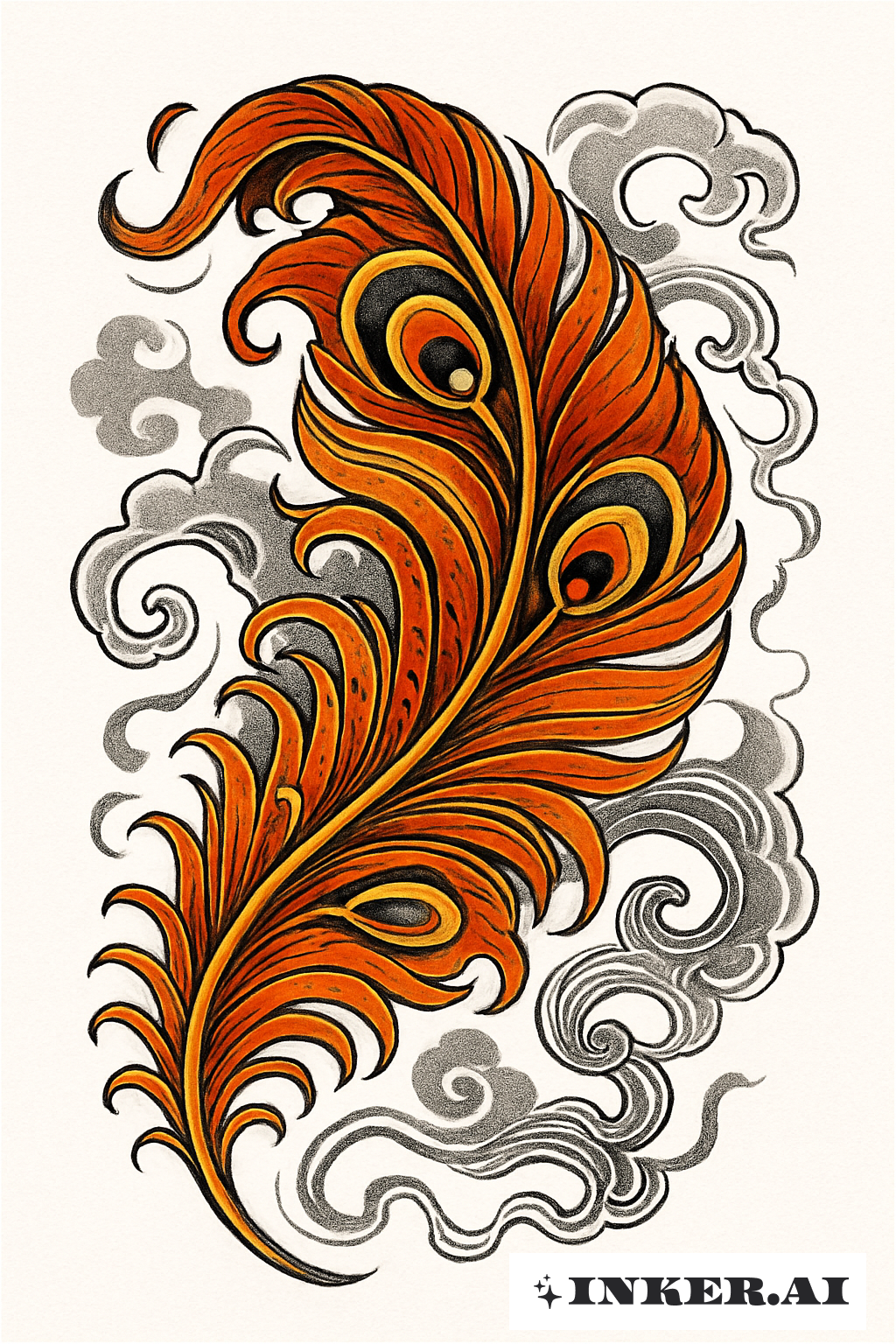
The Hō-ō, often associated with the phoenix, represents renewal, harmony, virtue, and spiritual elevation in Japanese mythology. A divine feather can suggest the presence of a sacred creature, carrying ideas of protection, transformation, and a life renewed after hardship. Its upward sweep may symbolize rising above challenges, while the delicate barbs reflect resilience expressed through grace rather than force. In Japanese tattoo style, the feather's flowing direction can also evoke wind, movement, and the continuing passage of life. The image may hold personal meaning for someone entering a new chapter, recovering from loss, or choosing to live with greater balance and purpose. Feather tattoo ideas often appeal to people who want a design connected with freedom, inner strength, and a sense of spiritual guidance. The refined structure of this piece softens the dramatic symbolism, making it feel contemplative and elegant. Rather than depicting the entire mythical bird, the single feather suggests that even a small remnant of divine power can carry memory, hope, and the promise of rebirth.
Design Inspiration Of Japanese Hō-ō Bird's Divine Feather Tattoo Design
The concept draws from the legendary Hō-ō and the visual poetry of a single feather suspended in motion. Its sweeping contours echo wind, flame, and the graceful tail feathers associated with sacred birds. The artwork transforms myth into a minimal, wearable symbol by focusing on line rhythm, layered texture, and an elegant silhouette. The contrast between precise outlines and soft shading creates a balance of structure and airiness, giving the design a timeless ornamental character.