Cultural Meaning Of Death Moth And The Hannya Mask's Shadow Tattoo Design
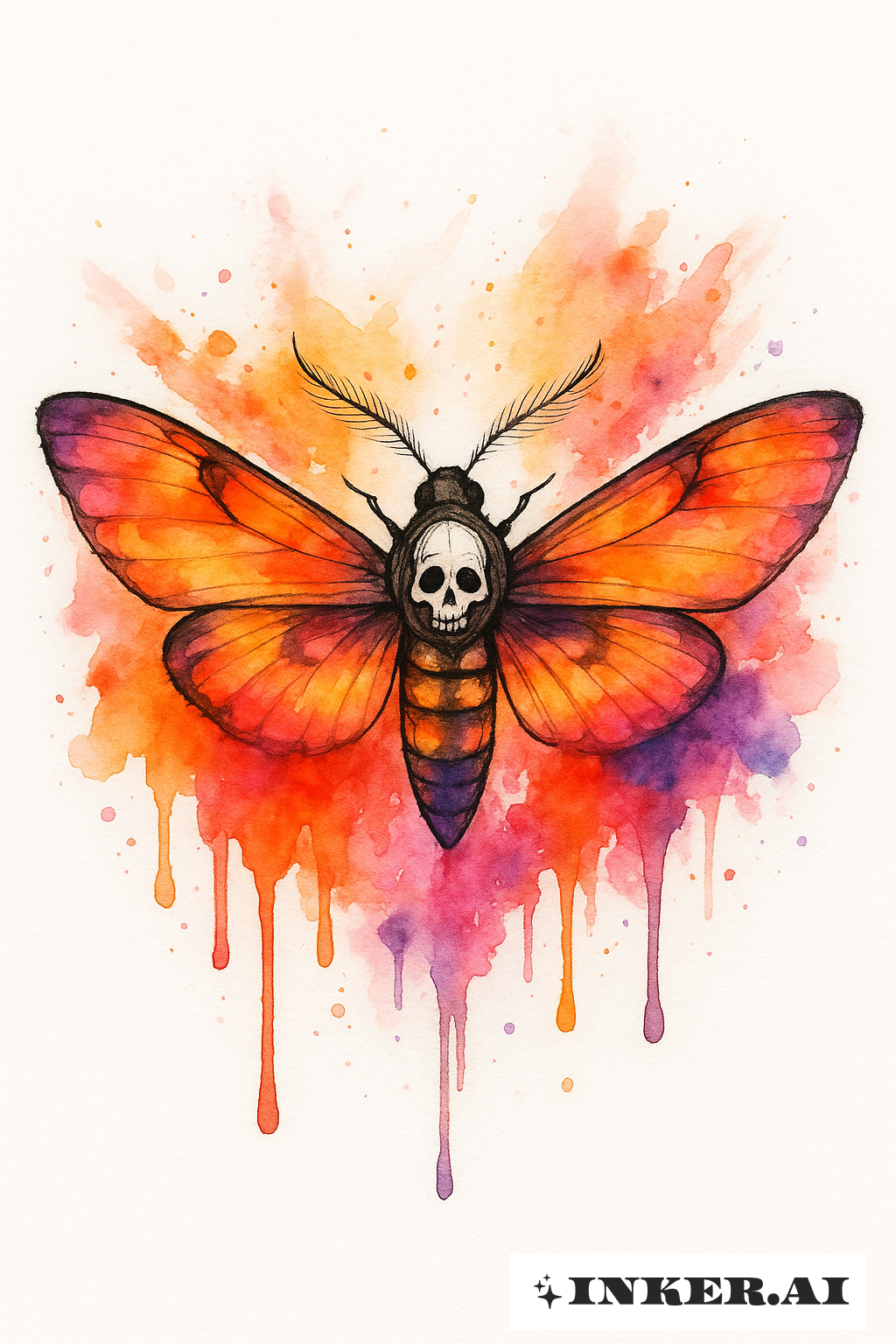
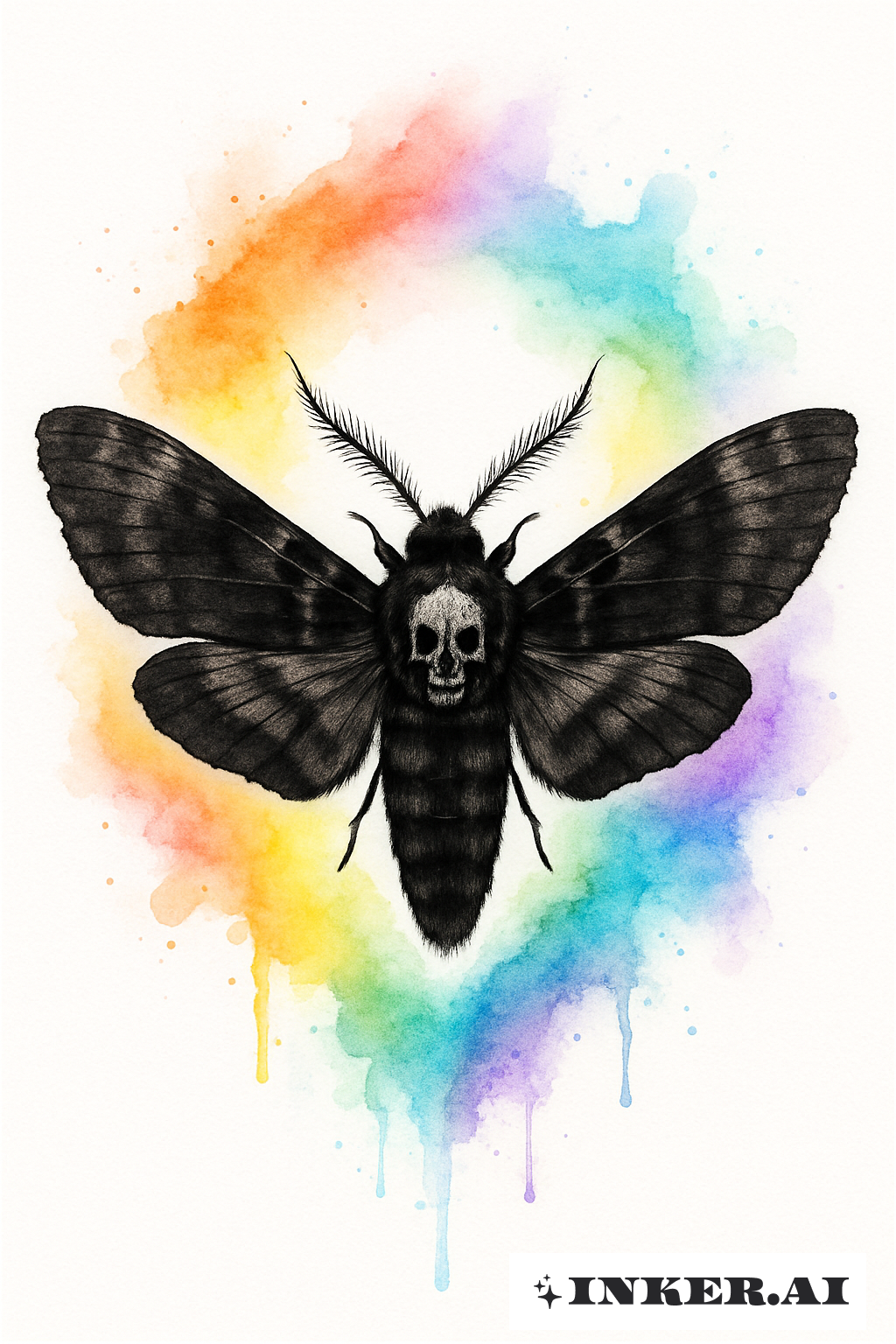
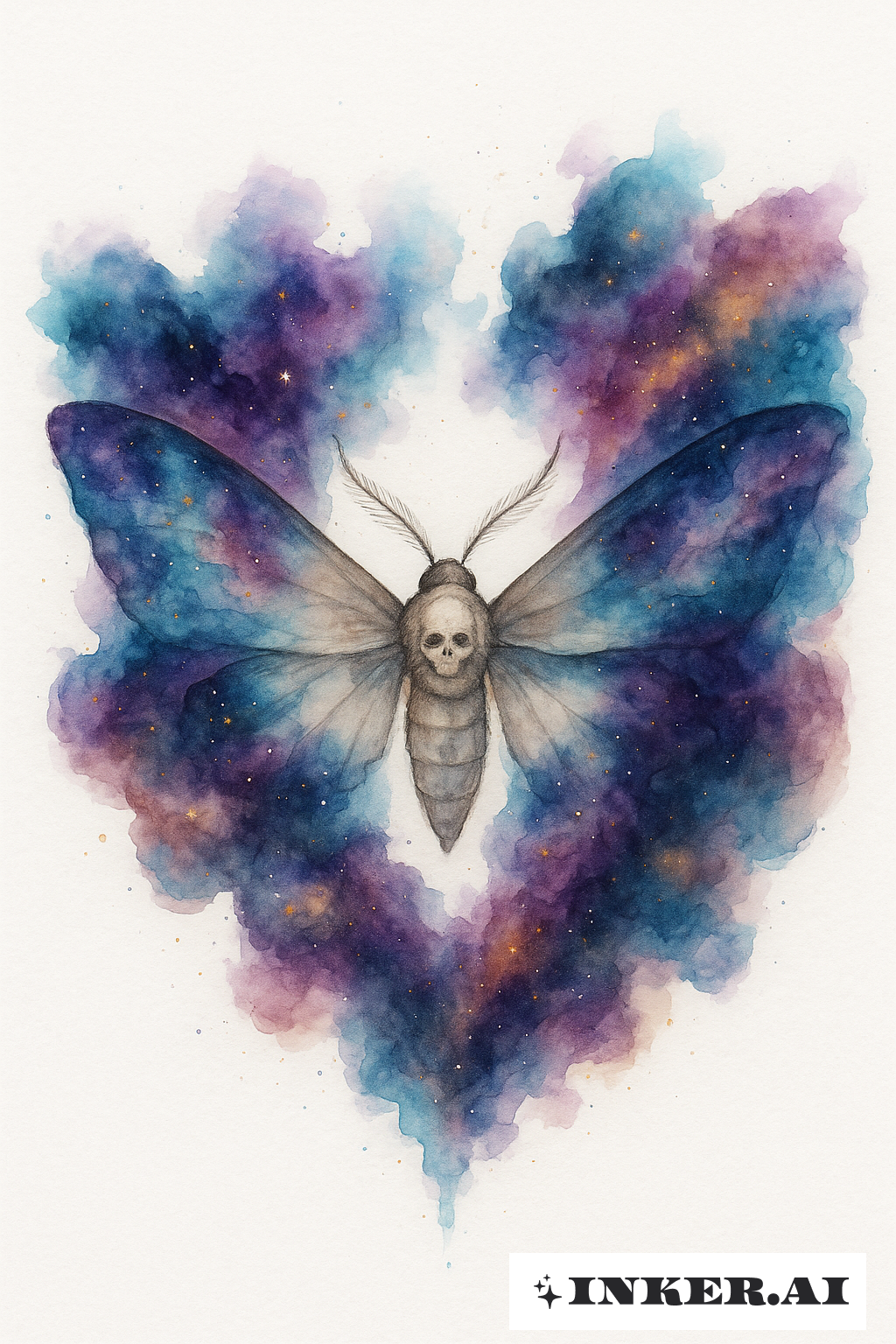
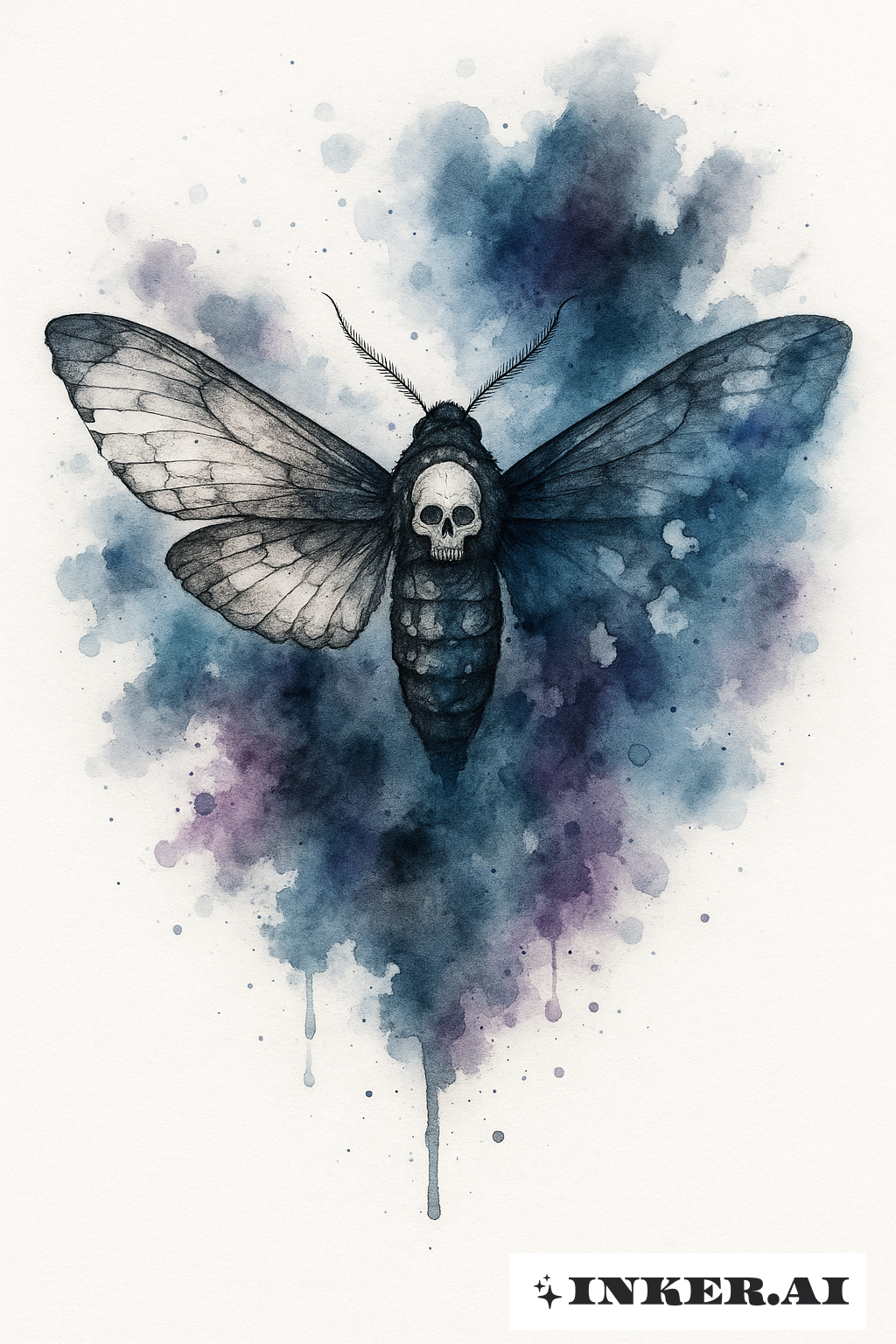
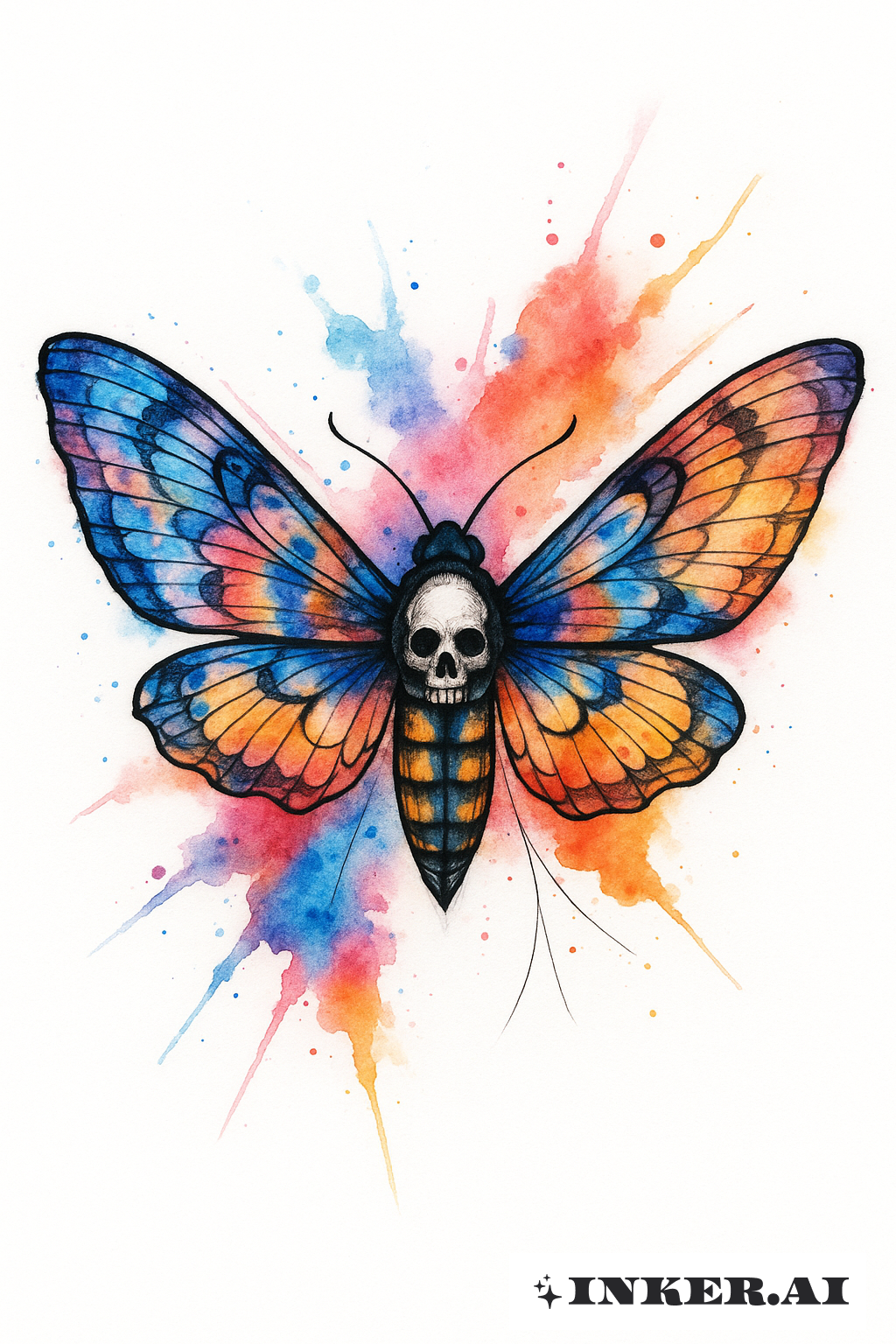
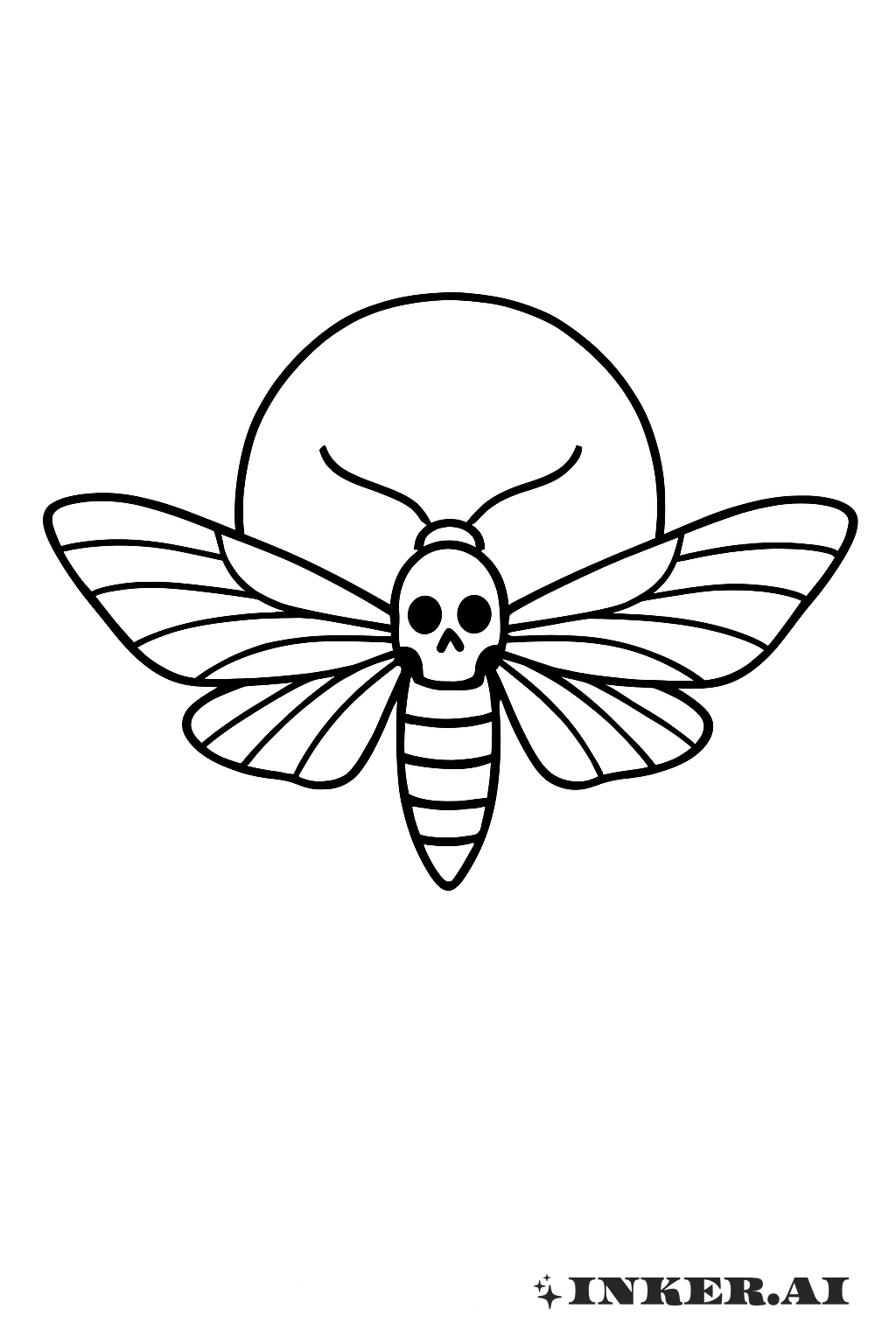
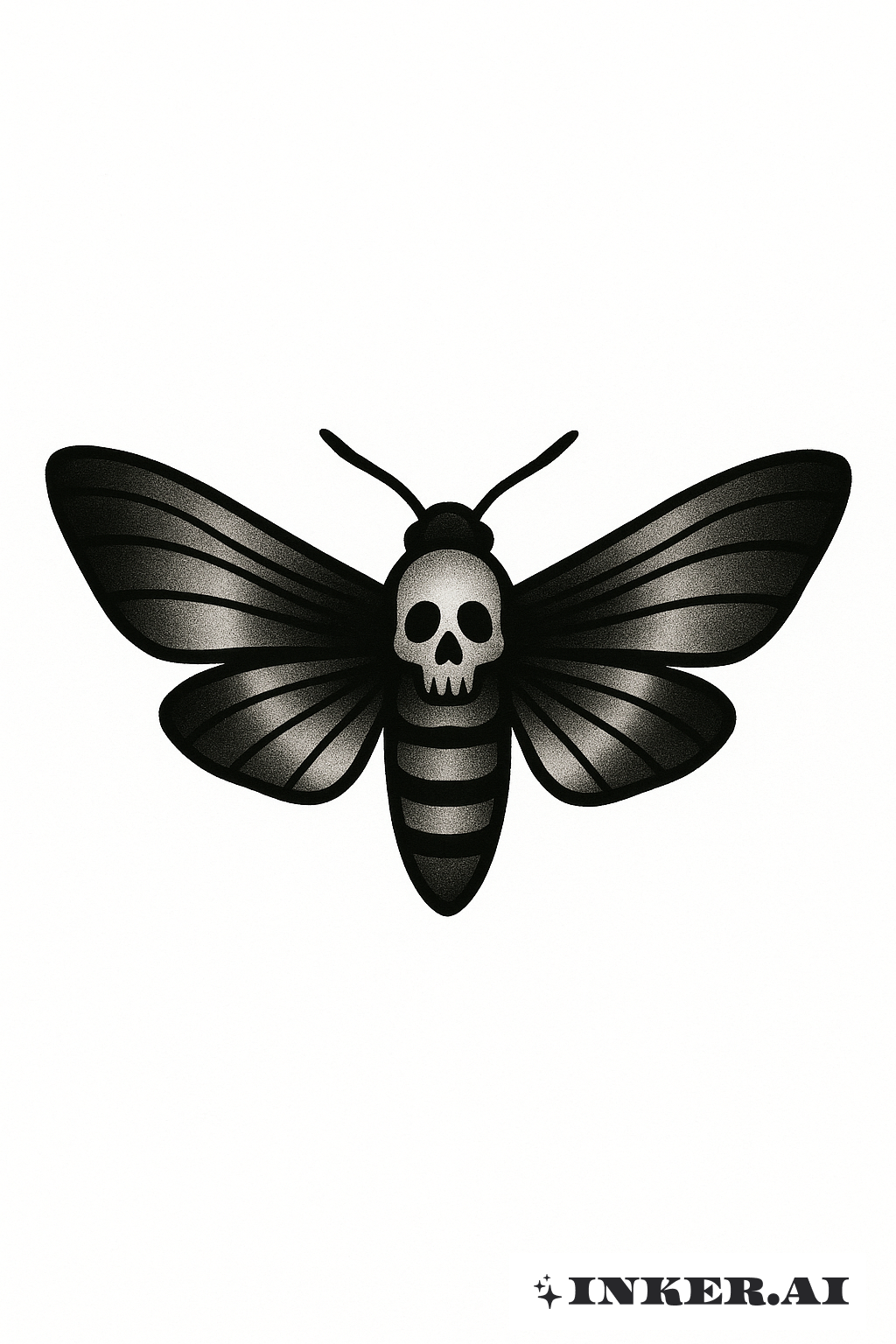
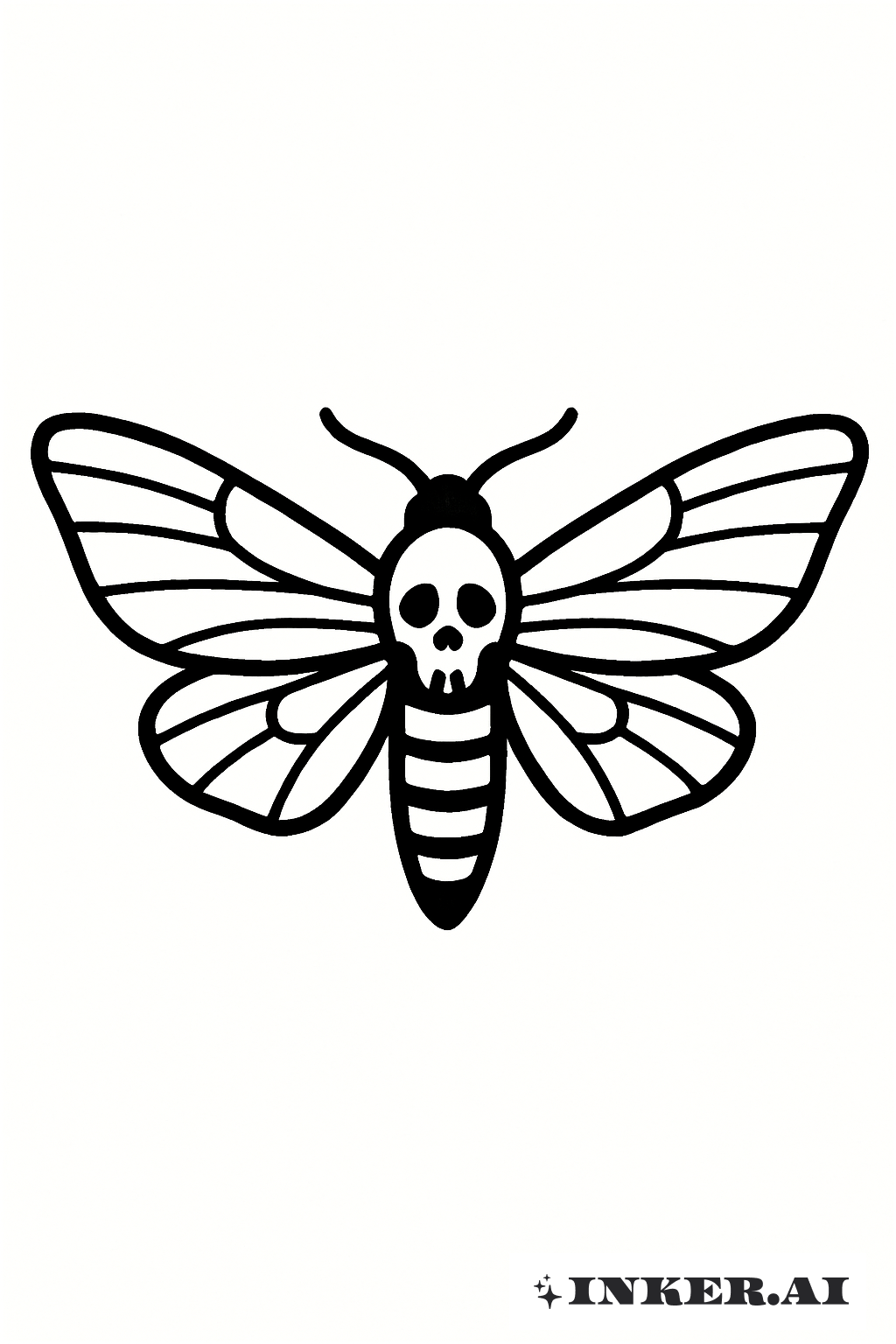
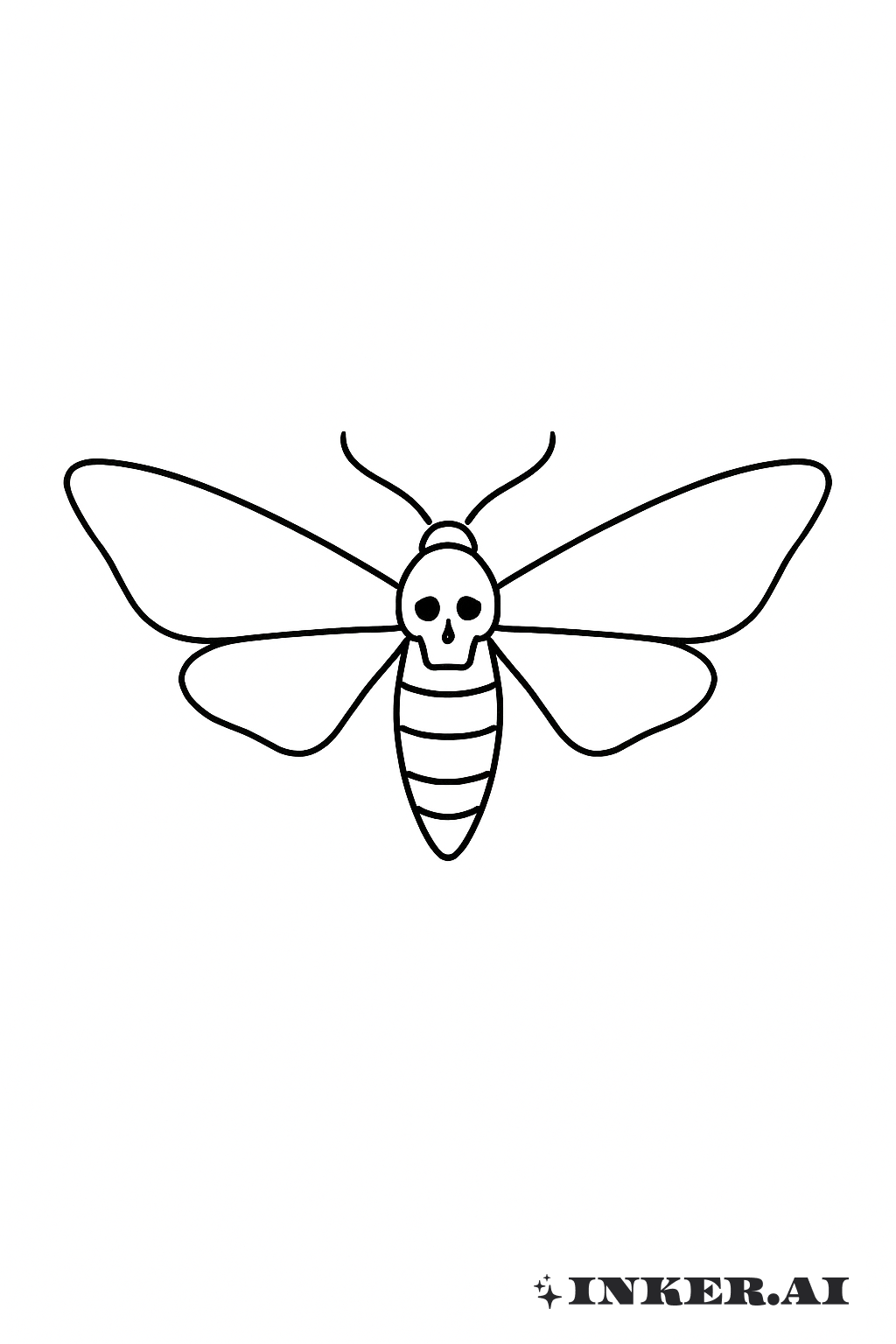
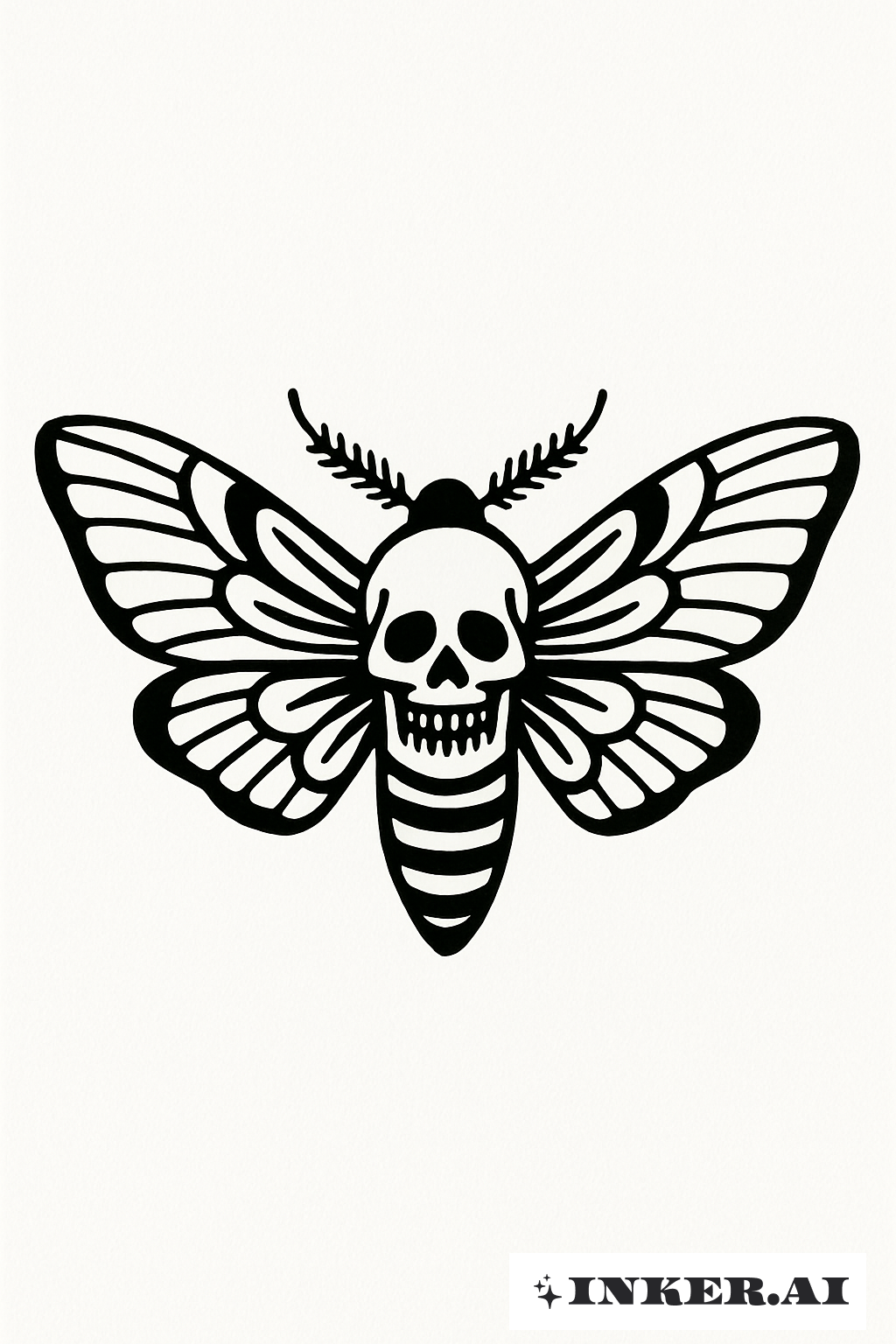
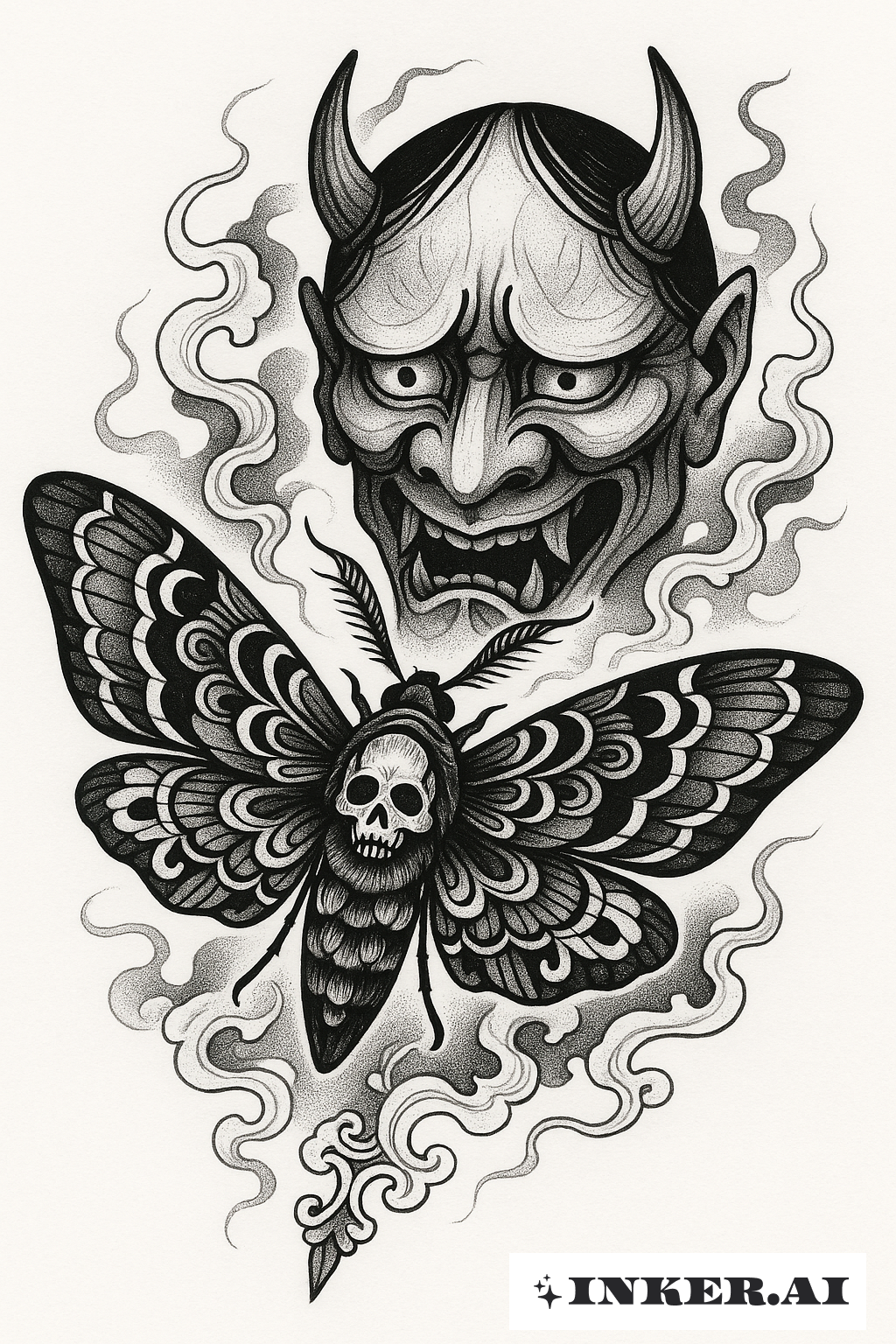
The death moth is often associated with transformation, mortality, nocturnal mystery, and the fragile boundary between life and death. Its presence can represent personal change, acceptance of impermanence, or the courage to move through darkness while becoming something new. The Hannya mask adds a more emotionally complex layer. In Japanese folklore and theater, the mask reflects jealousy, pain, anger, and sorrow, yet its expression can also suggest the possibility of recognition, release, and spiritual transformation. Placing the mask as the moth's shadow suggests that hidden emotions follow every stage of change. Rather than presenting darkness as purely destructive, the composition frames it as an honest part of the human experience. The symmetrical layout reinforces ideas of balance, duality, and the coexistence of beauty and fear. Through its dramatic blackwork and layered imagery, this Japanese tattoo style design can symbolize confronting inner conflict without allowing it to define the future. For anyone exploring Death Moth tattoo ideas, the piece carries a meaningful message about facing difficult emotions, embracing transformation, and finding strength within the shadow.
Design Inspiration Of Death Moth And The Hannya Mask's Shadow Tattoo Design
The concept draws from the meeting of nocturnal natural history and Japanese theatrical symbolism. The moth provides an organic, winged structure, while the Hannya mask introduces a human emotional presence beneath the surface. The shadow relationship was developed to suggest that identity is shaped by both visible qualities and hidden feelings. Ornamental linework, bold contrast, and carefully mirrored forms create a composition that feels ceremonial, haunting, and timeless. The result is an image centered on transformation, emotional depth, and the beauty found in confronting darkness.