Cultural Meaning Of A Hannya Mask Biting the Bad Apple Tattoo Design
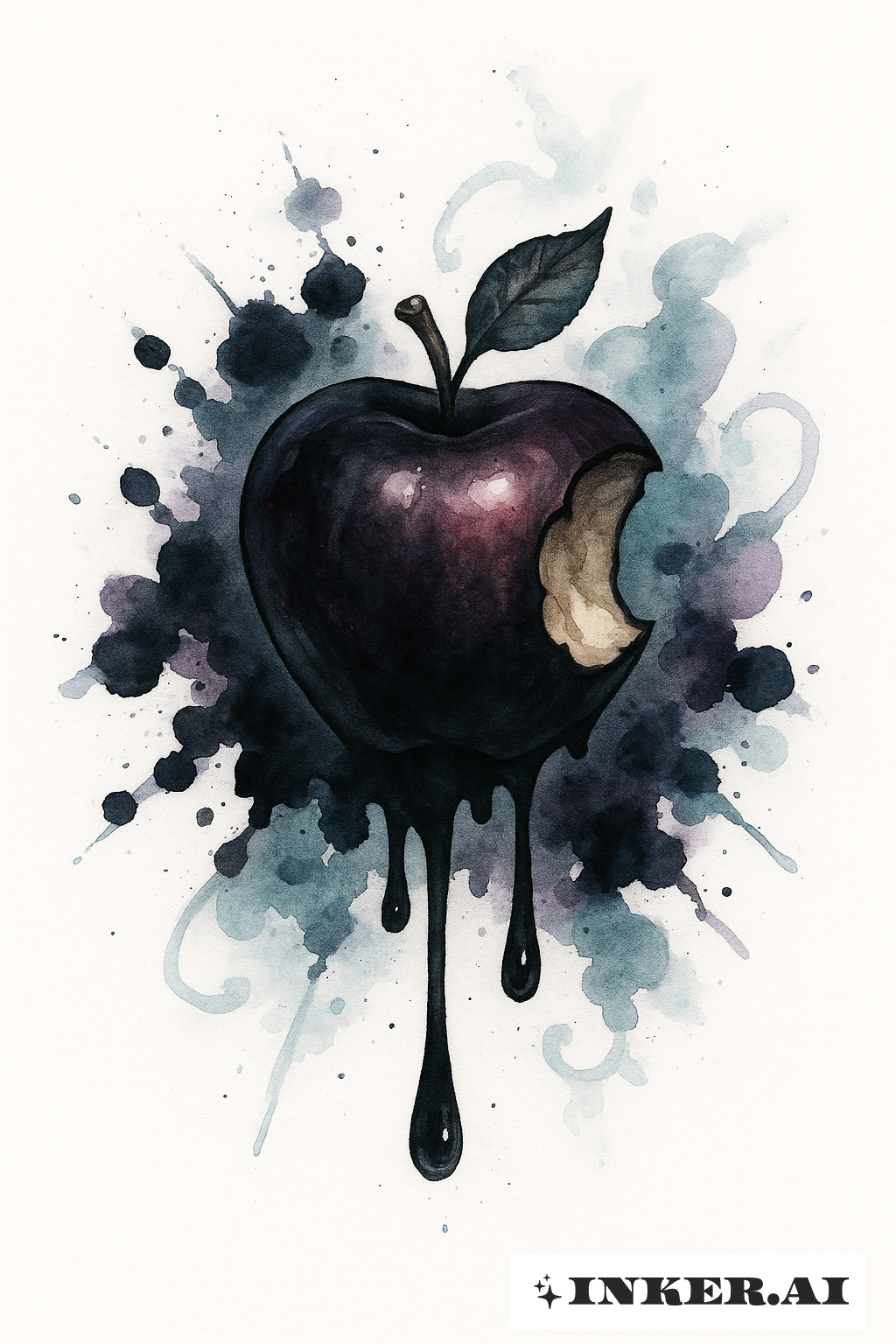
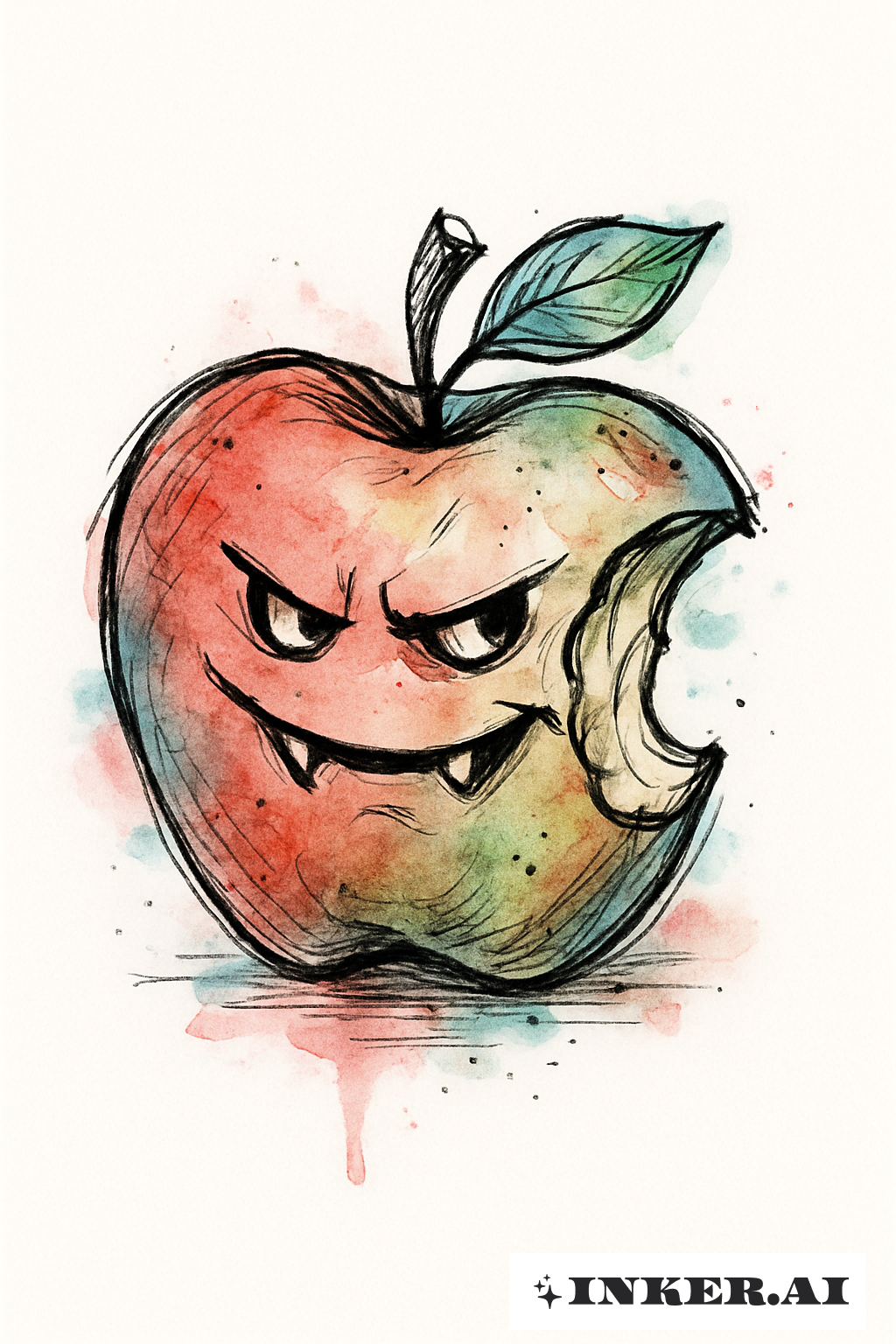
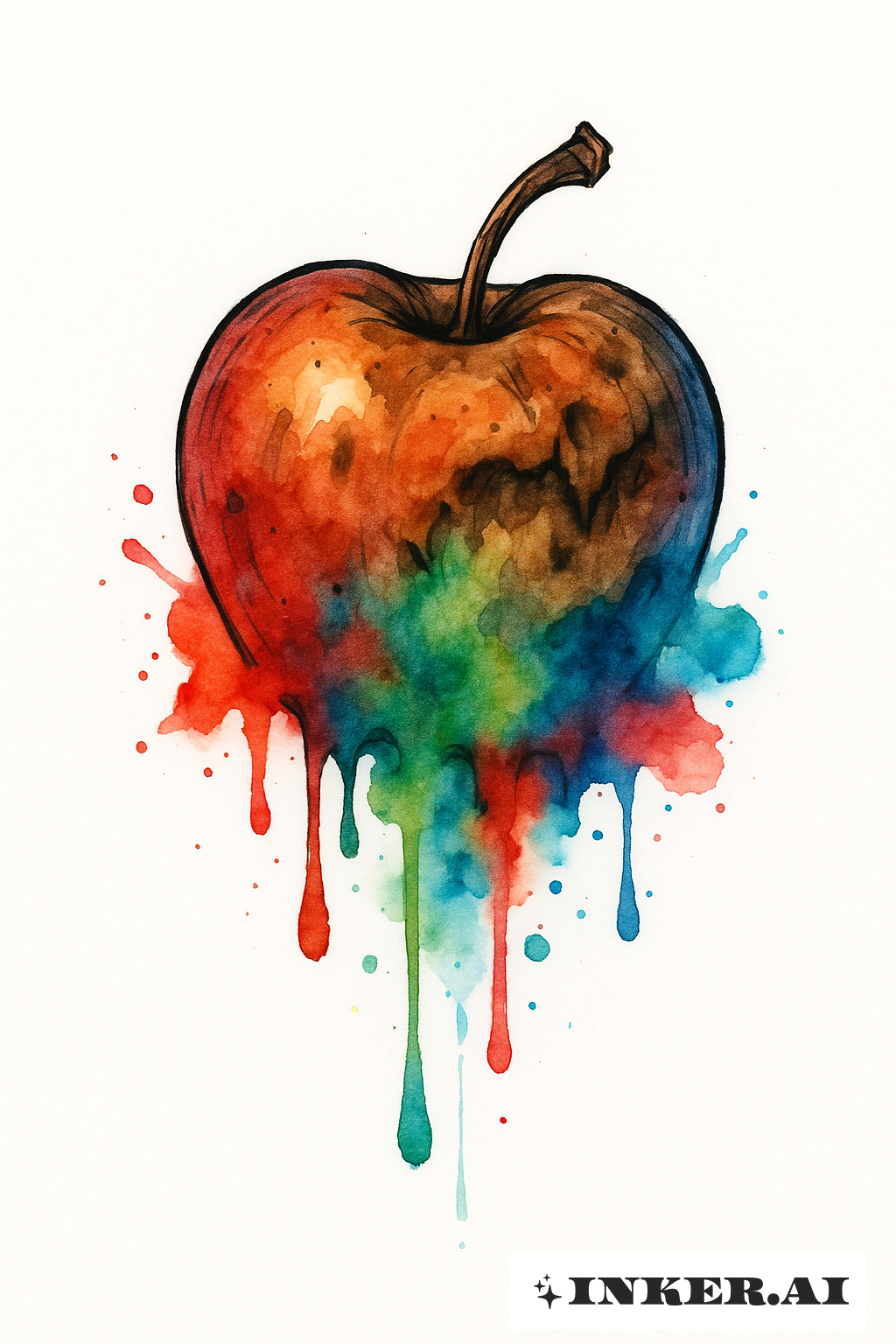
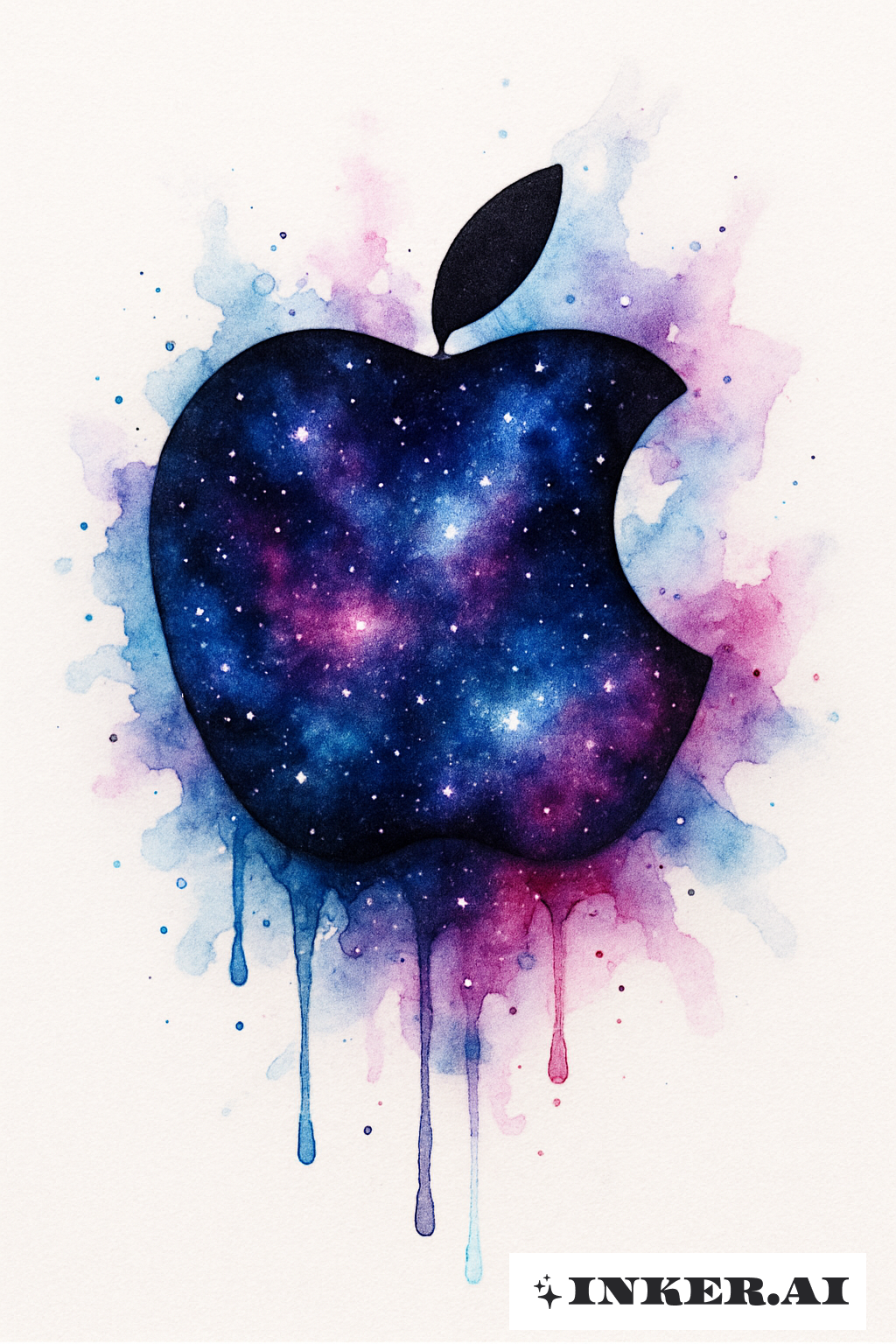
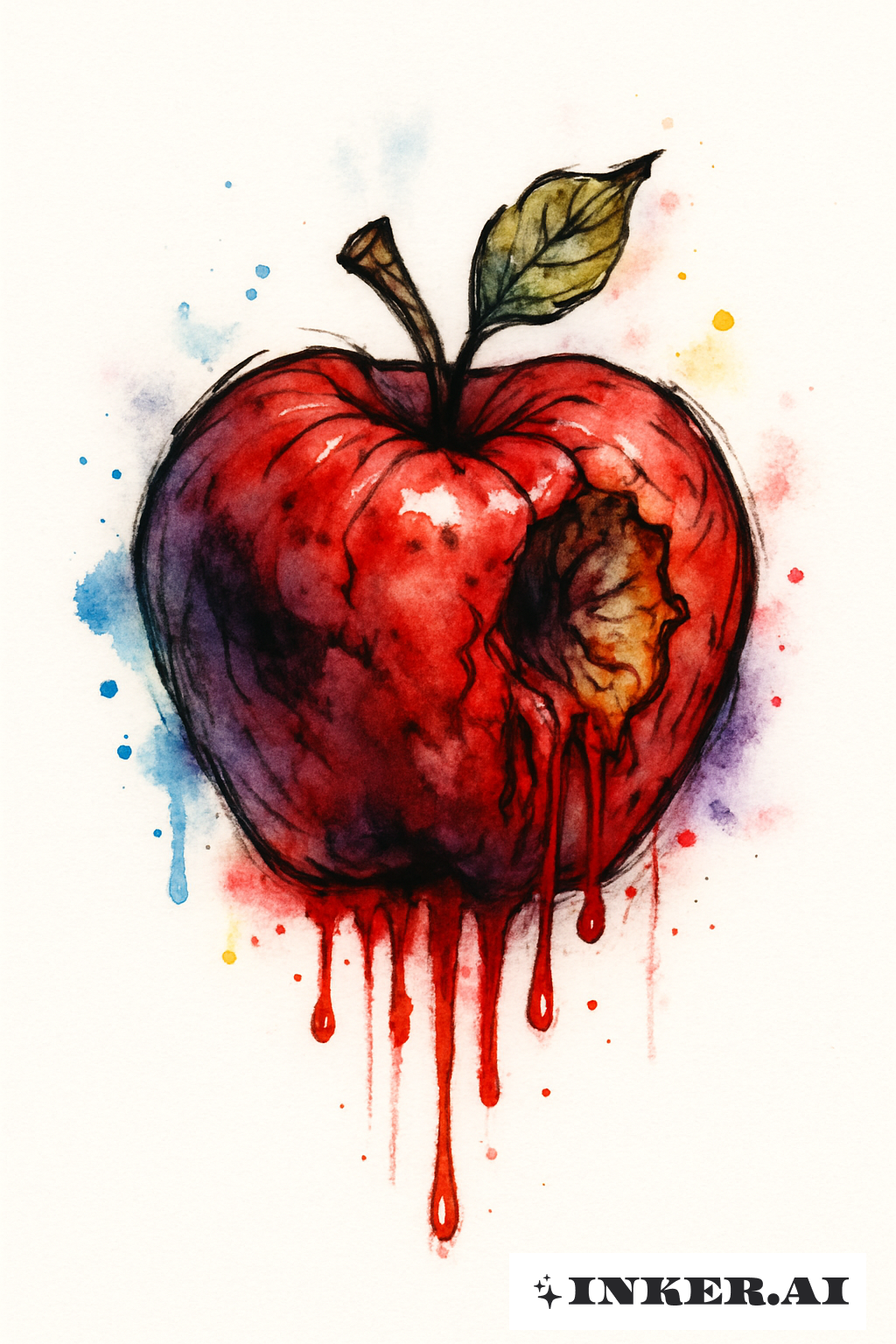
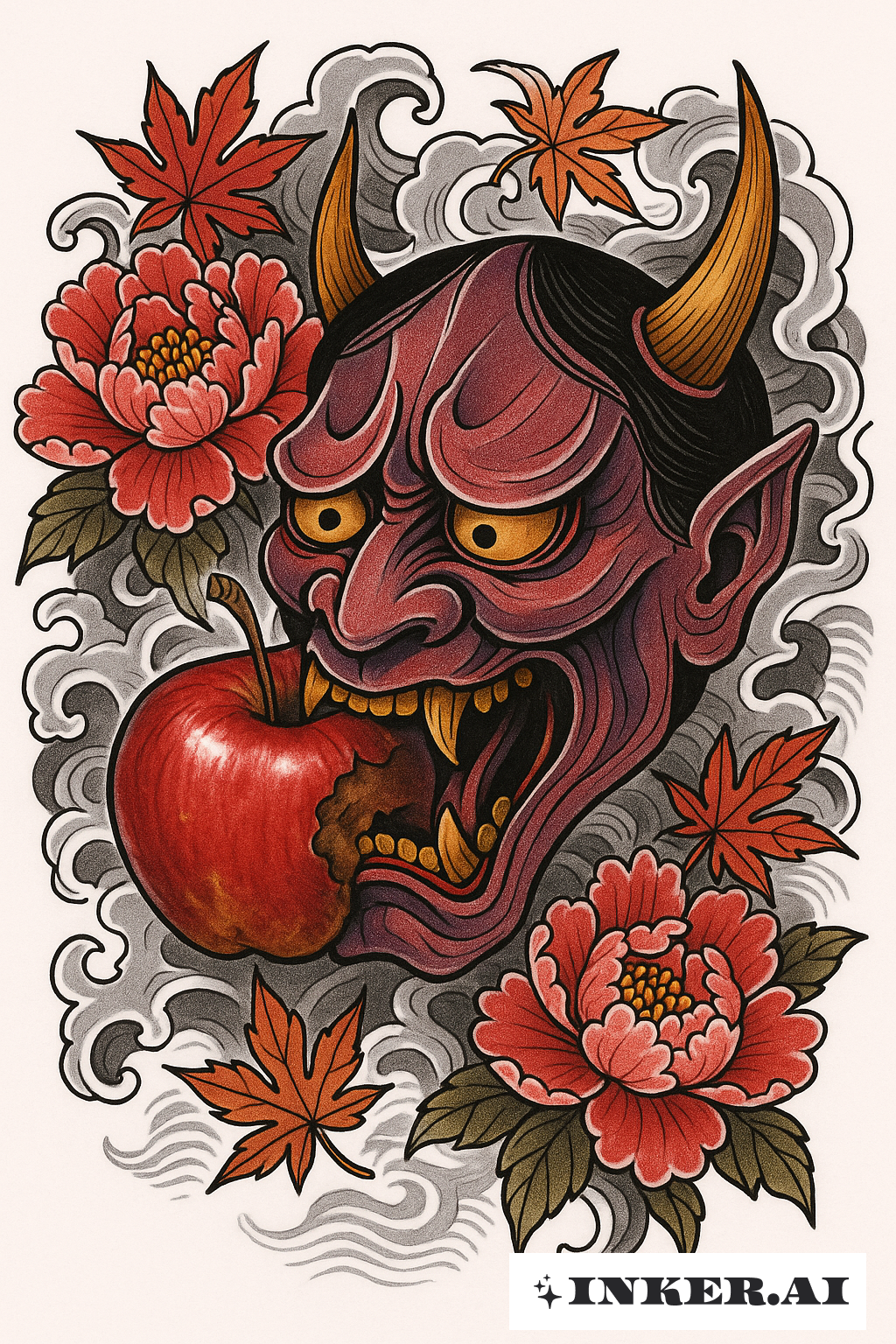
The Hannya mask traditionally embodies complex emotions—jealousy, rage, sorrow—and in tattoo culture it can represent both the pain of betrayal and the wearer’s mastery over inner demons. Paired with a bruised or tainted apple, the image gains layers: the apple evokes temptation, corruption, or a single flawed choice that can spoil a whole orchard. The act of biting transforms passive symbolism into action—consumption, confrontation, or an inability to resist vice. Decorative elements like peonies or maple leaves can add nuance, signaling beauty, transience, or seasonal change to suggest healing after conflict. Taken together, the piece reads as a warning and a confession, a visual statement about personal struggle, survival, and the duality of attraction and danger. This fusion of theatrical mask and corrupted fruit is a bold narrative, rooted in Japanese tattoo style while expanding the motif through contemporary Bad Apple tattoo ideas to speak to modern themes of temptation and redemption.
Design Inspiration Of A Hannya Mask Biting the Bad Apple Tattoo Design
Artistically, the tattoo draws from Noh theater masks and ukiyo-e compositions, reimagined with a modern graphic punch. The idea was to juxtapose classical craftsmanship—woodgrain-like texture, stylized flora—with pop symbolism of a spoiled apple, creating a dialogue between tradition and modern vice. The biting gesture intensifies storytelling, turning a static emblem into a moment of tension. Color contrasts and placement choices aim to make the image readable from a distance while revealing finer details up close, inviting viewers to reconsider familiar motifs through a darker, more personal lens.